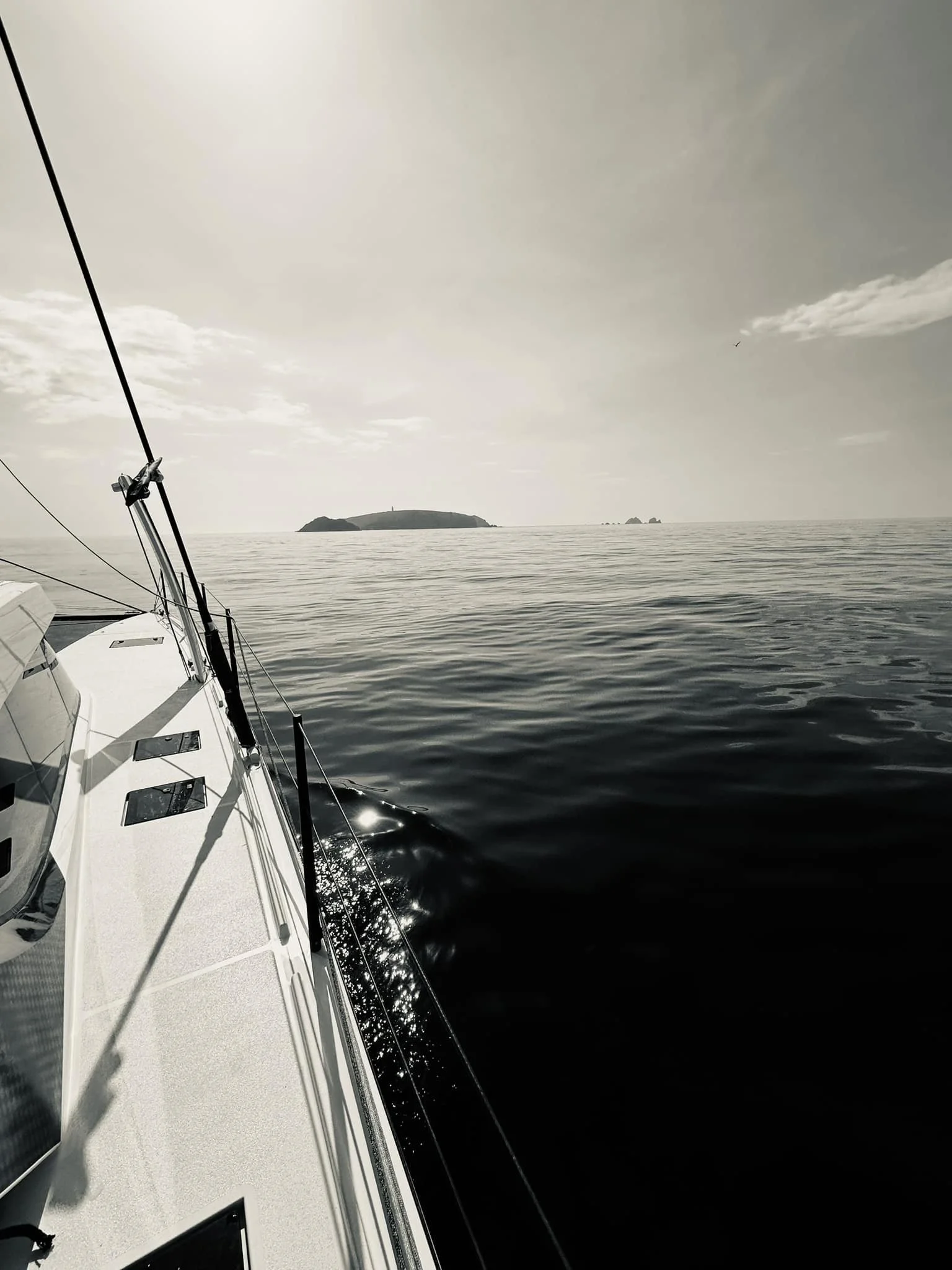
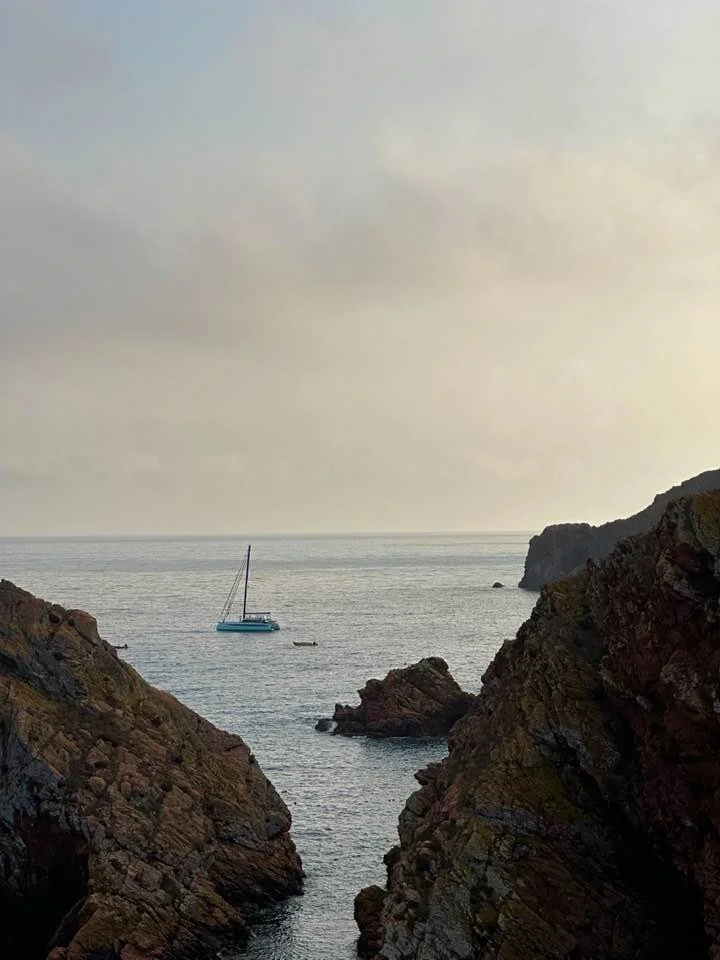
HH50 Lickety Cruises the Med
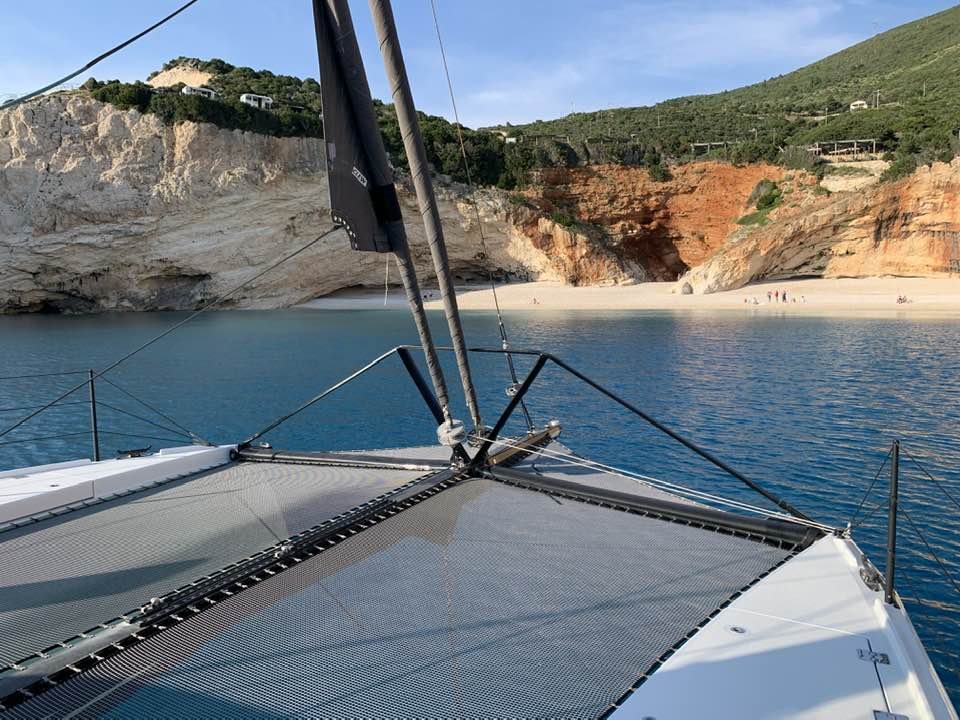
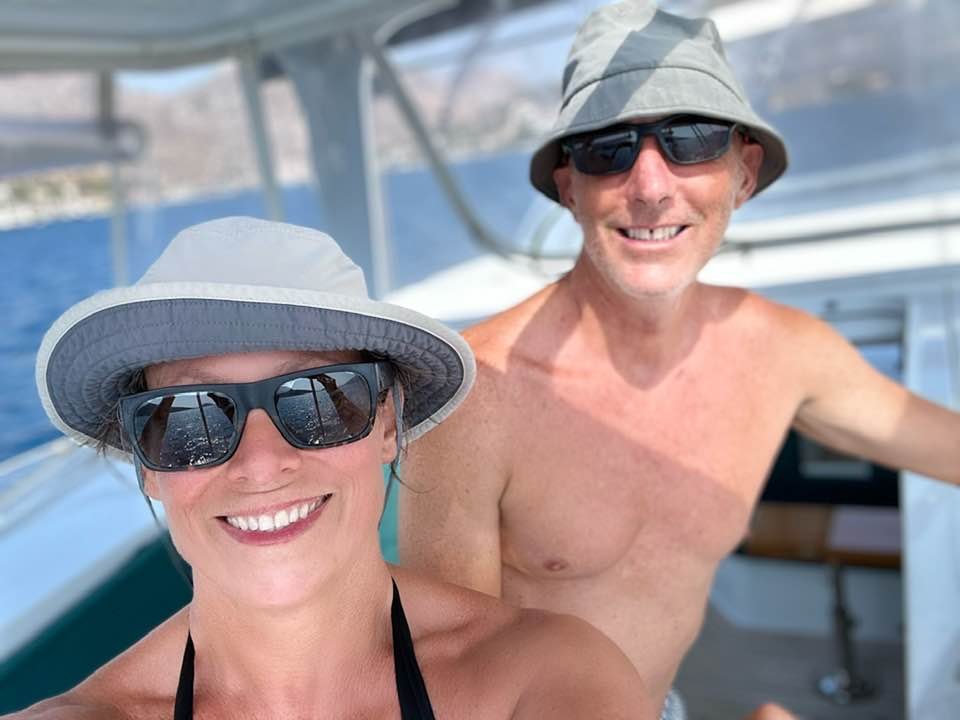
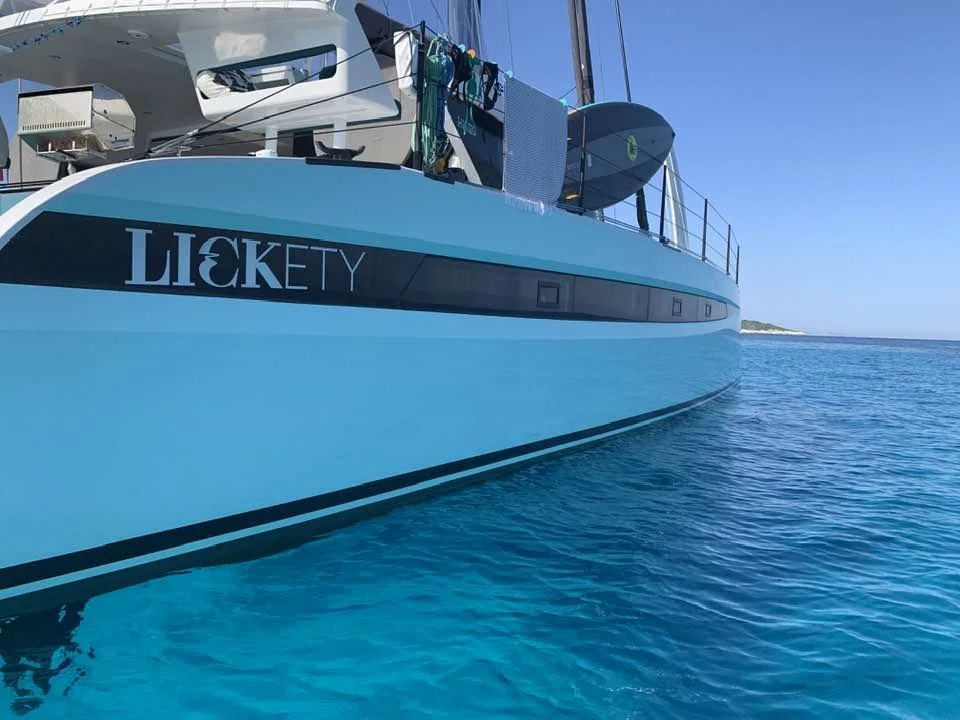
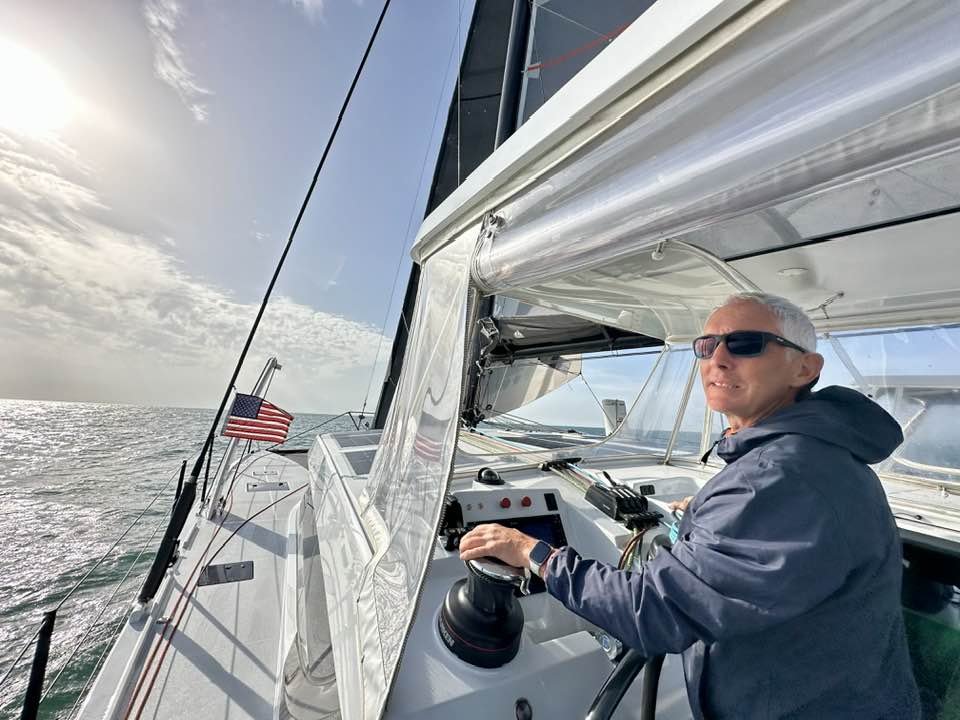
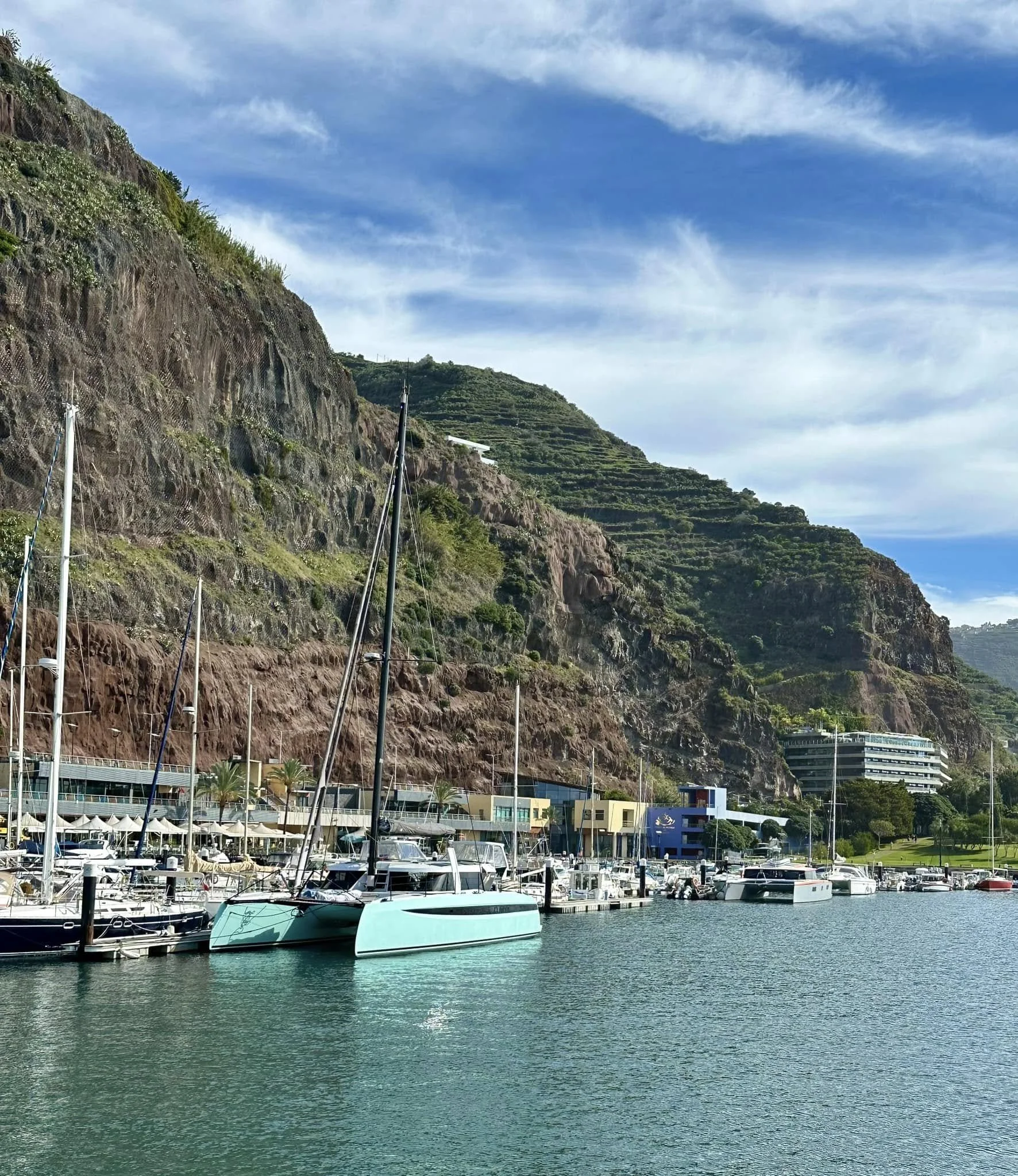
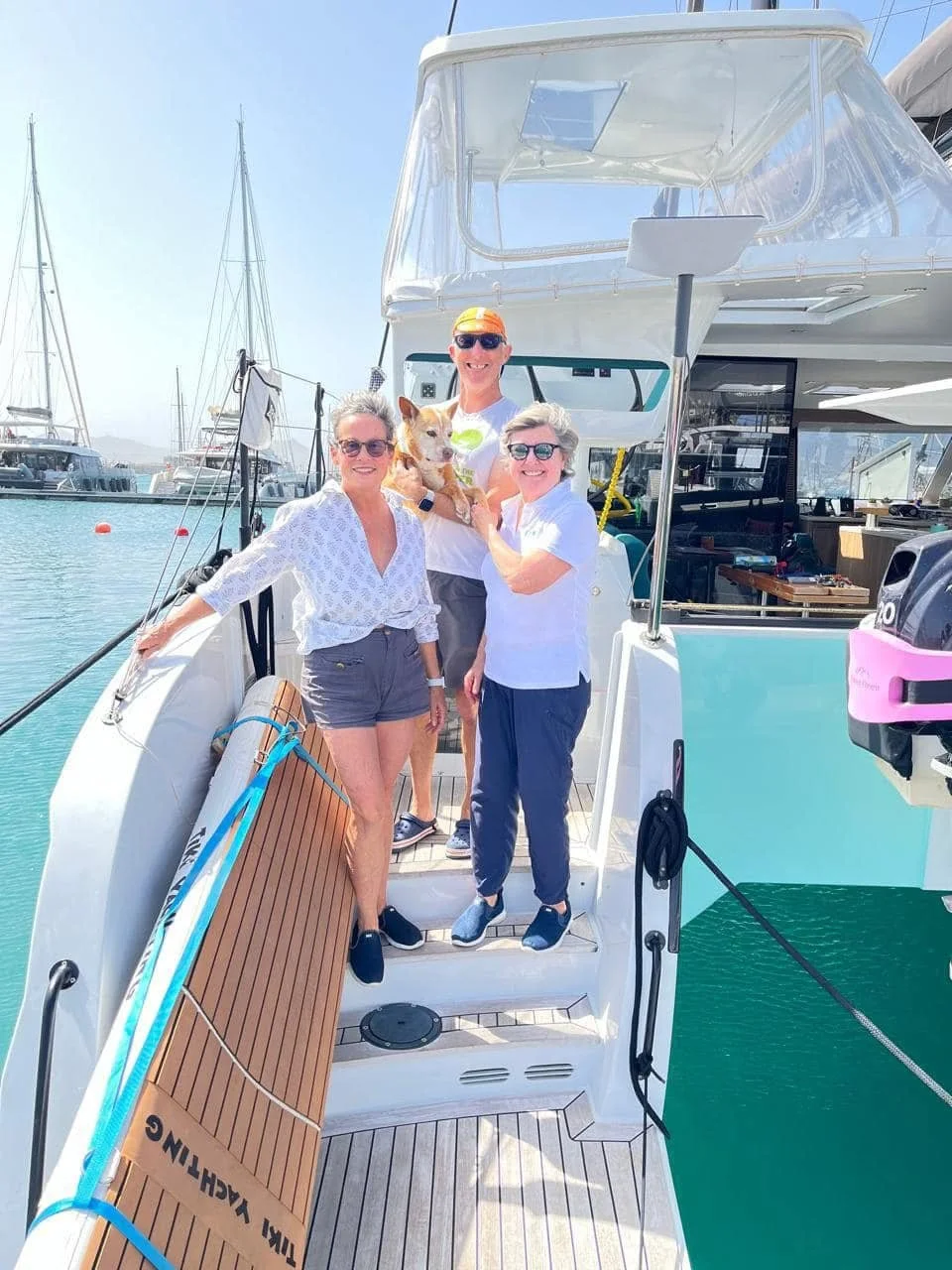
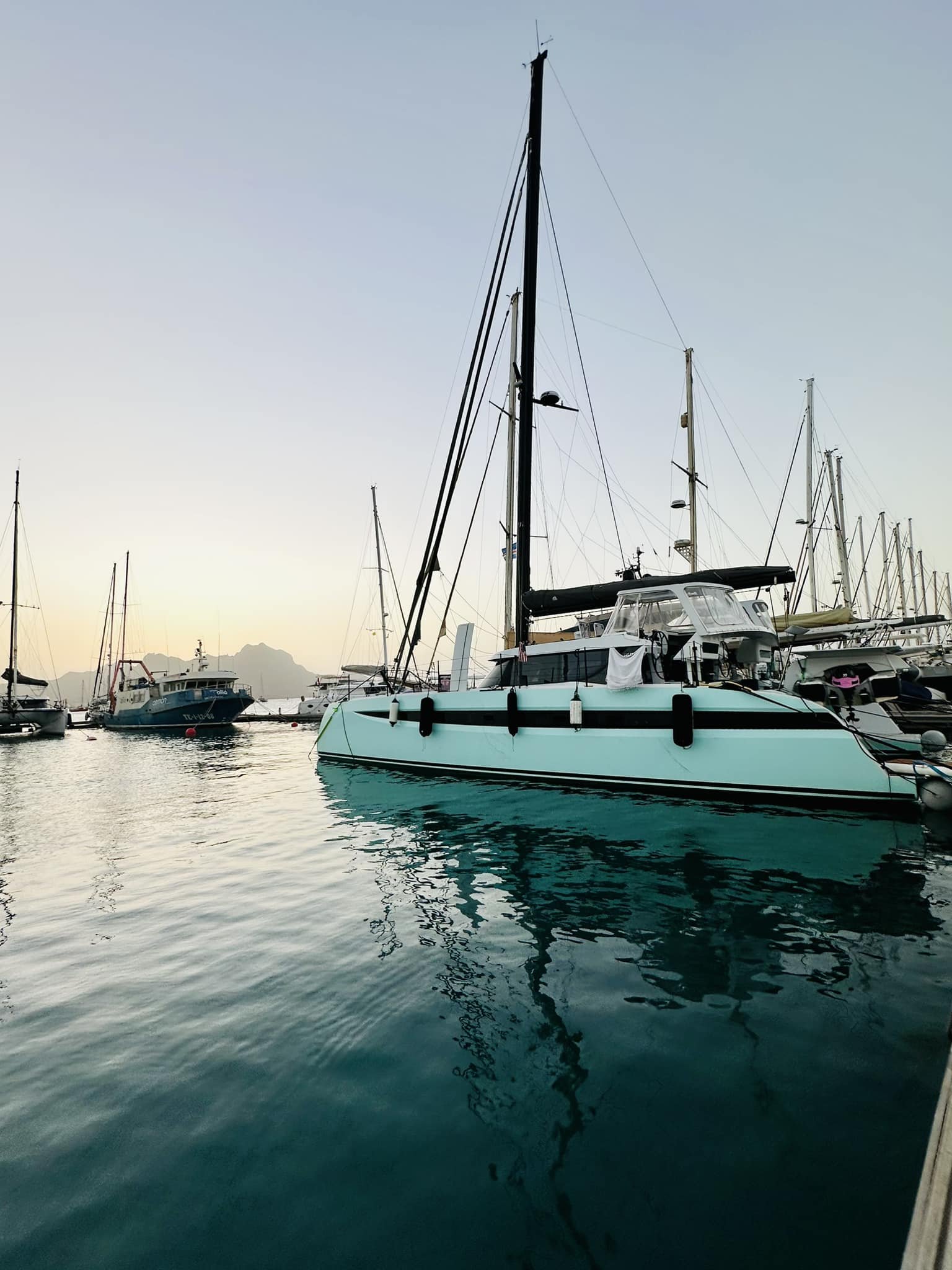
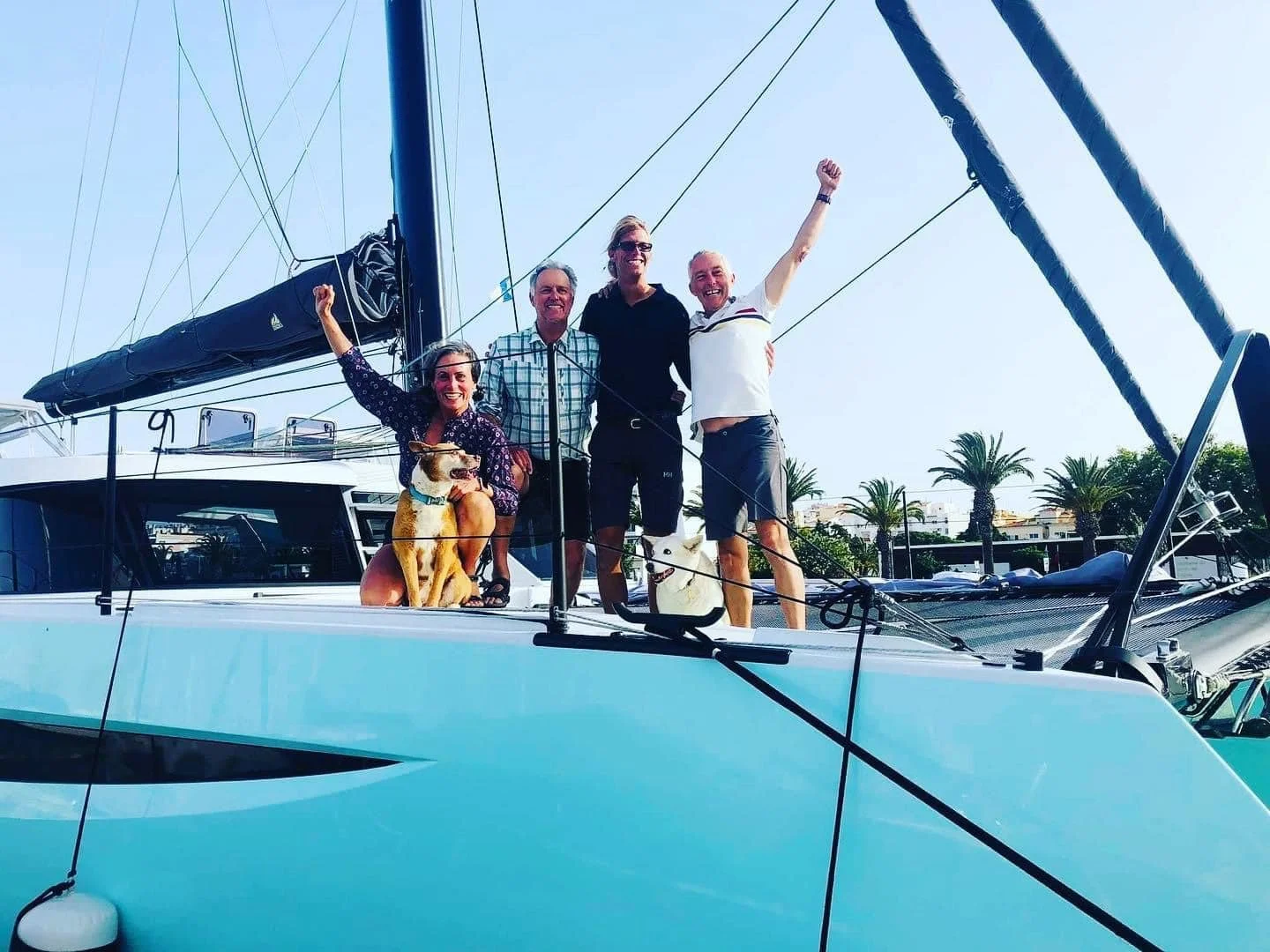
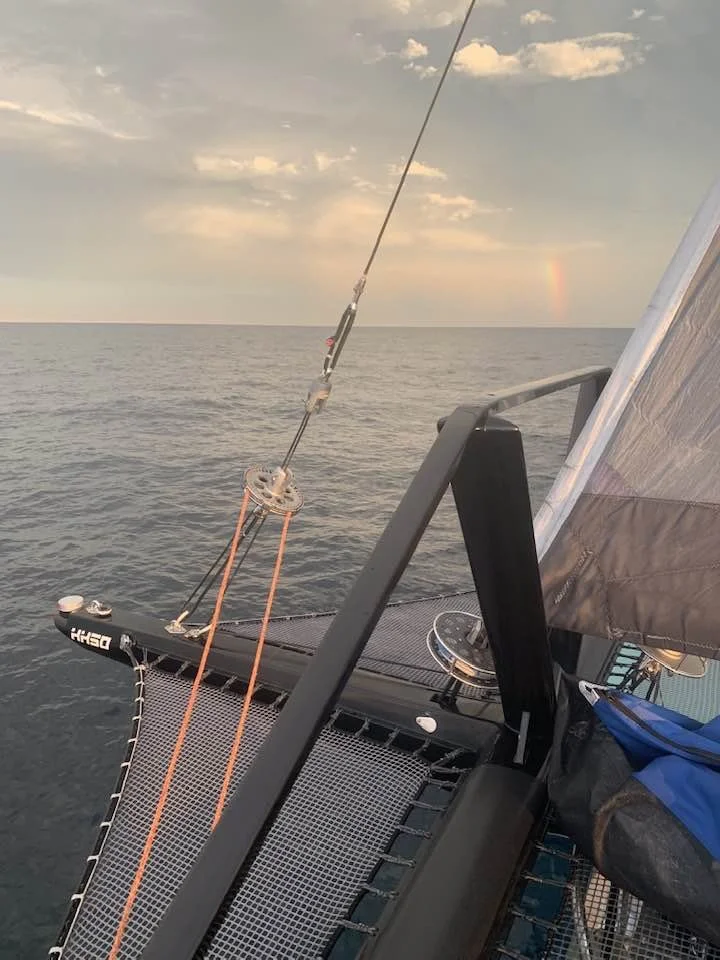
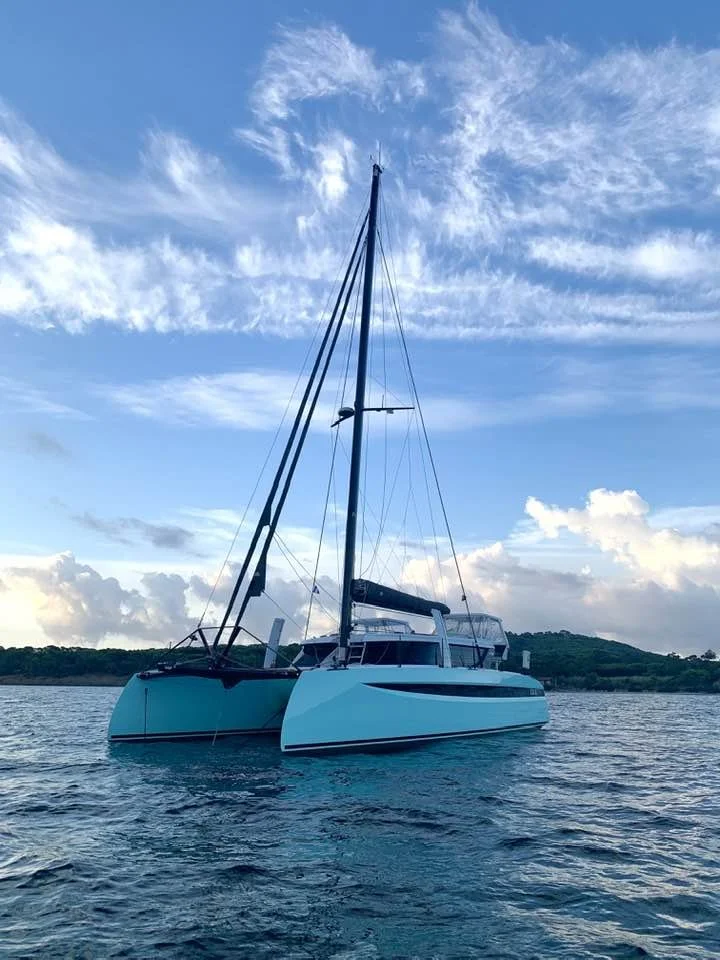
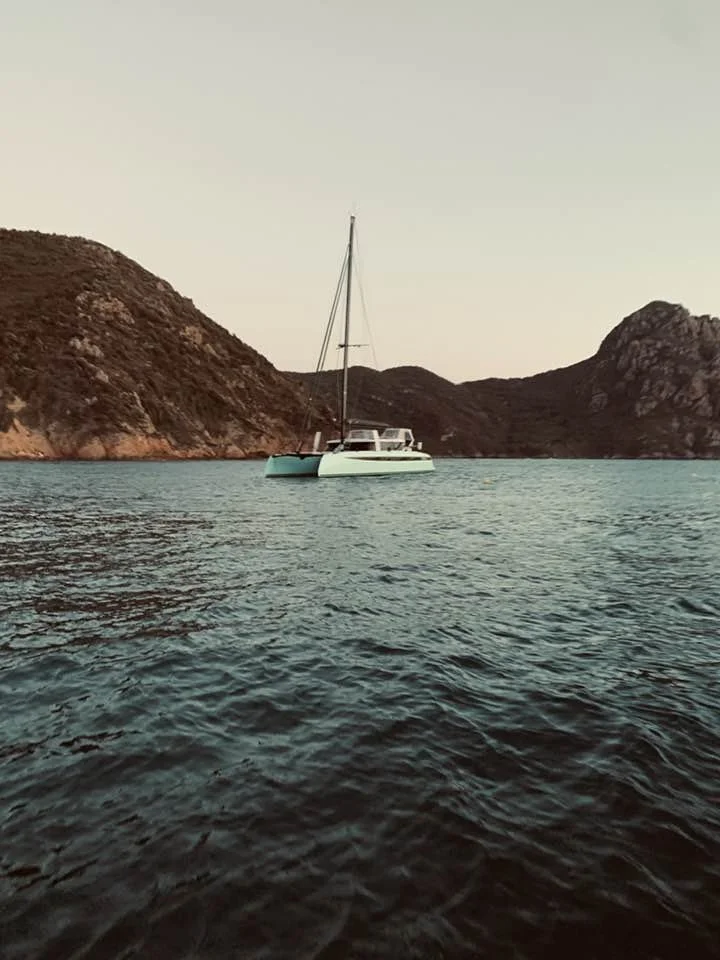
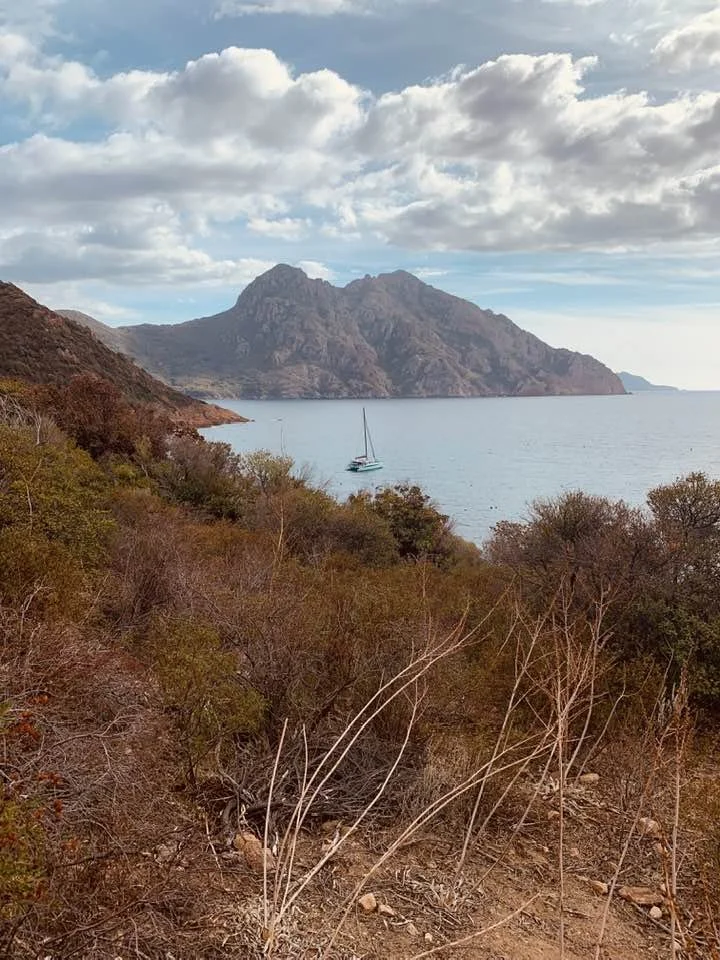
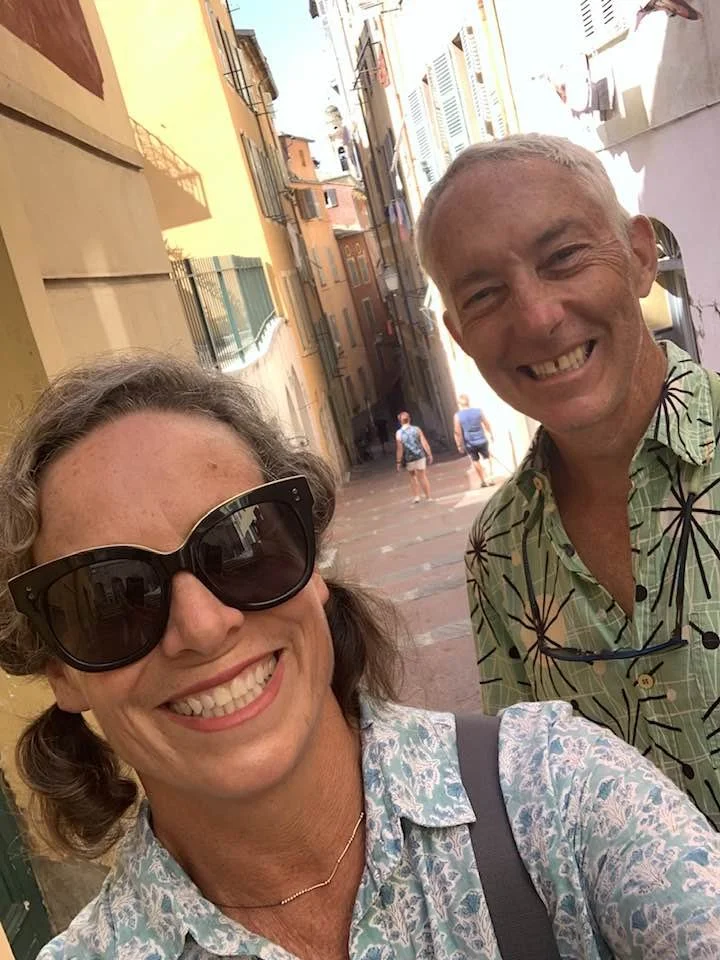
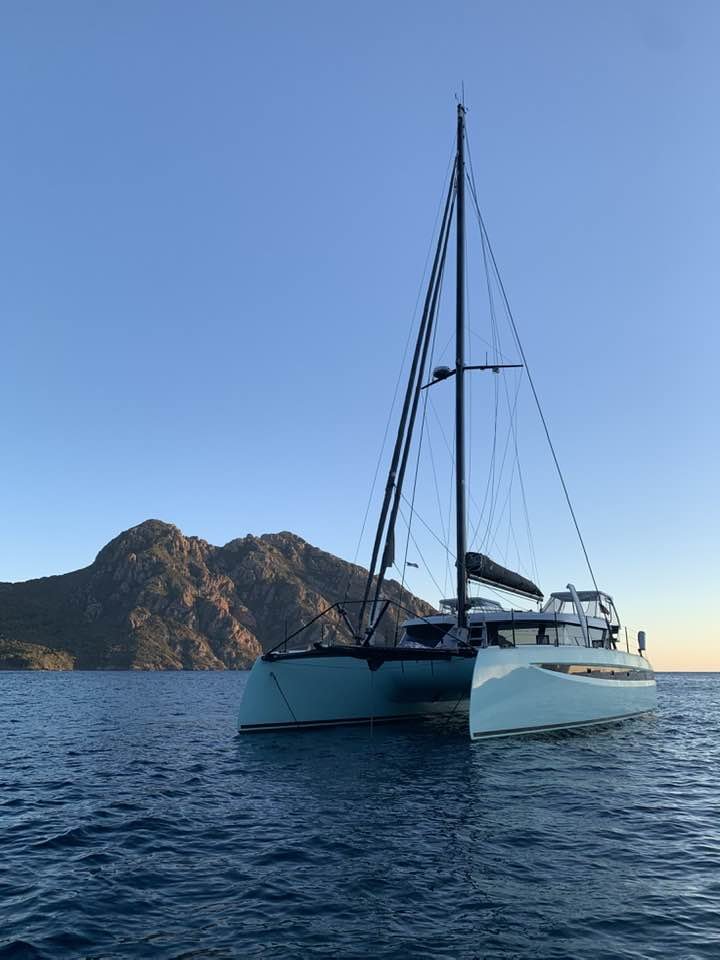
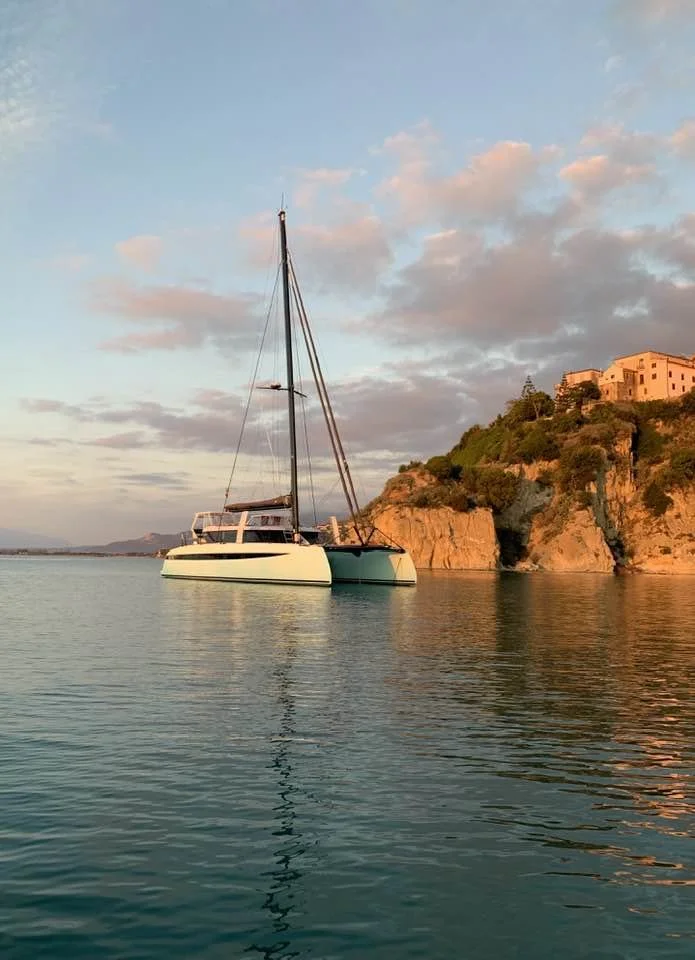
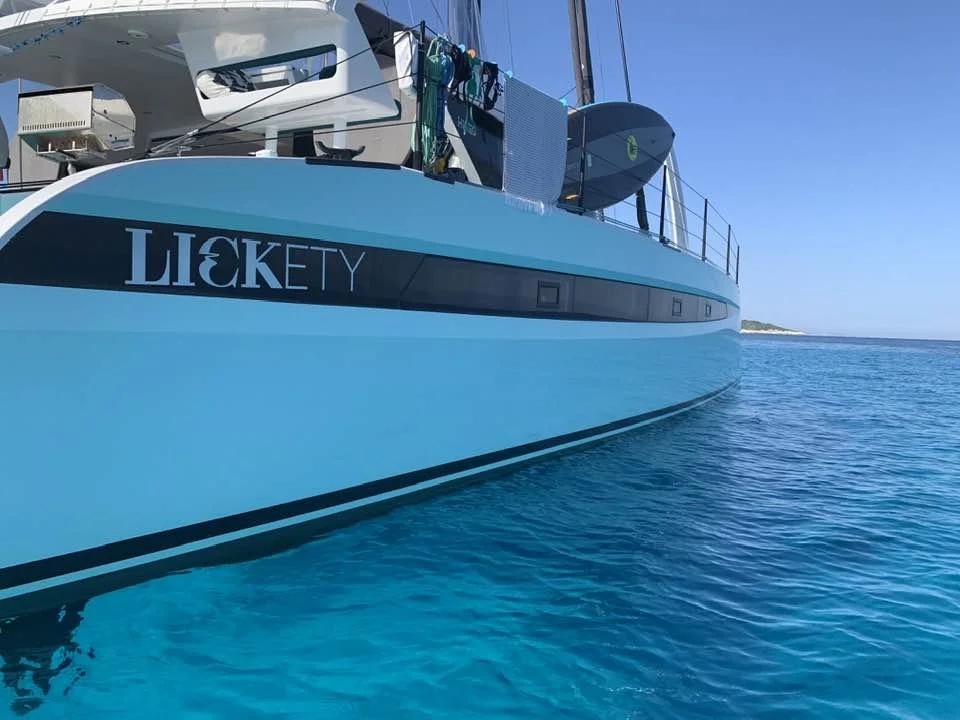
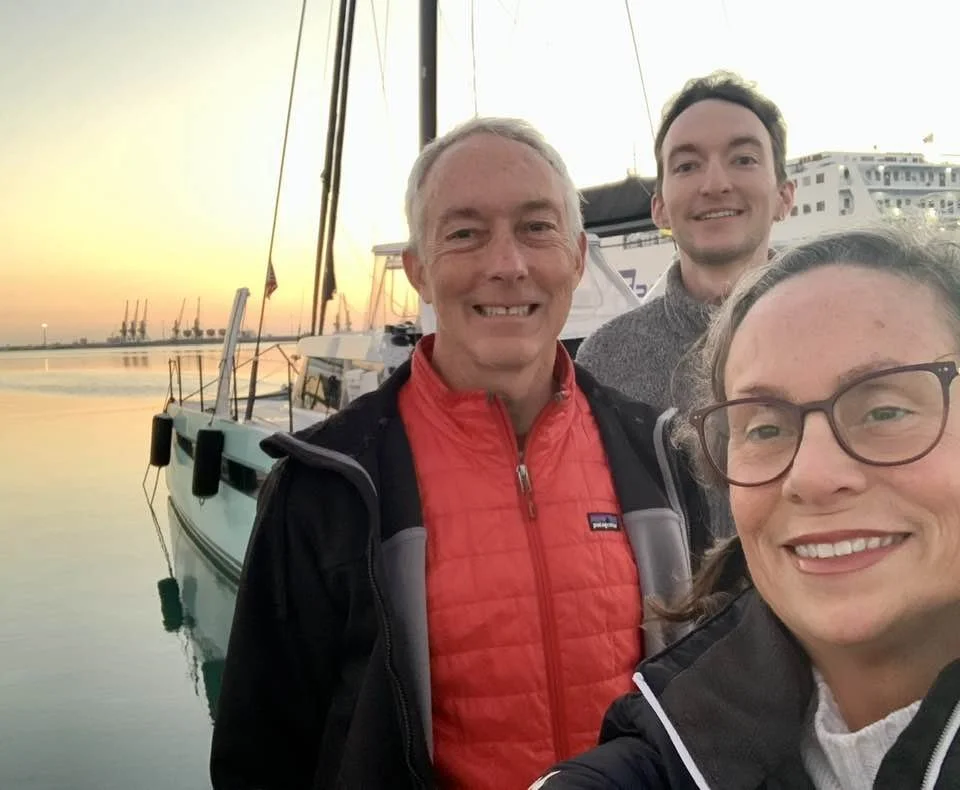
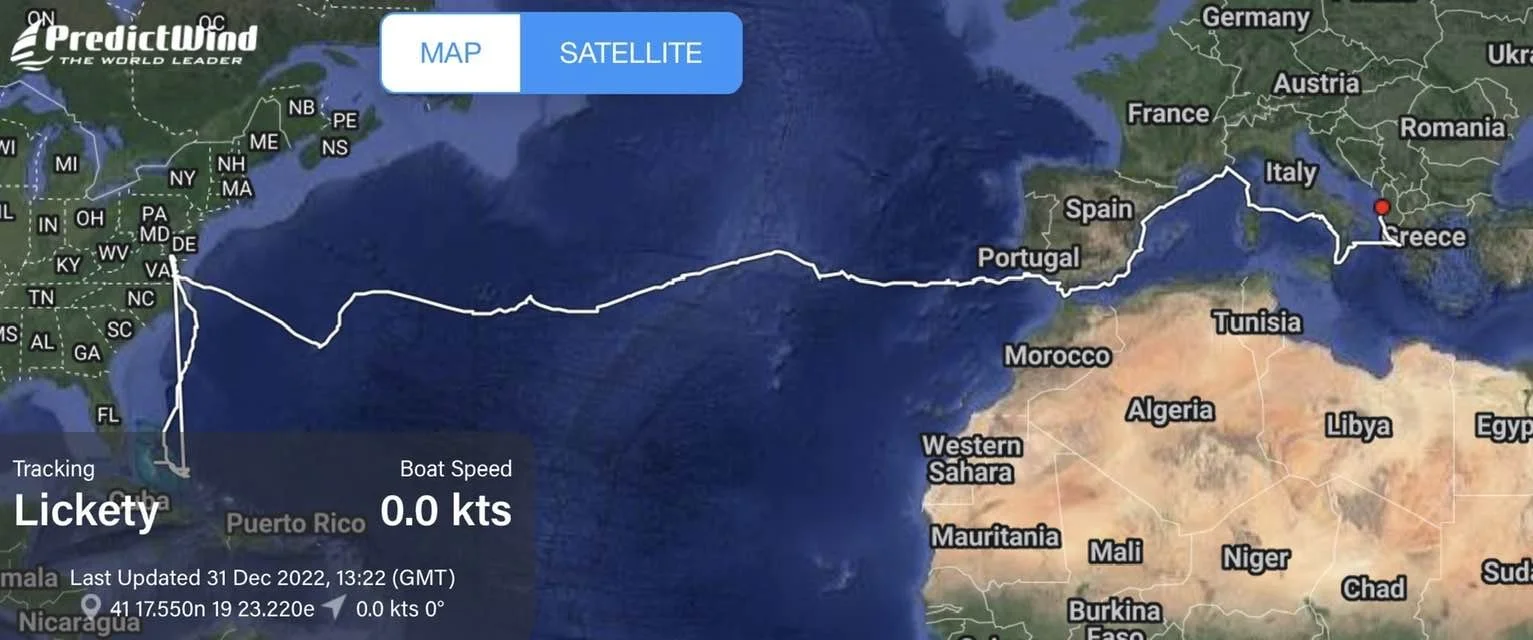
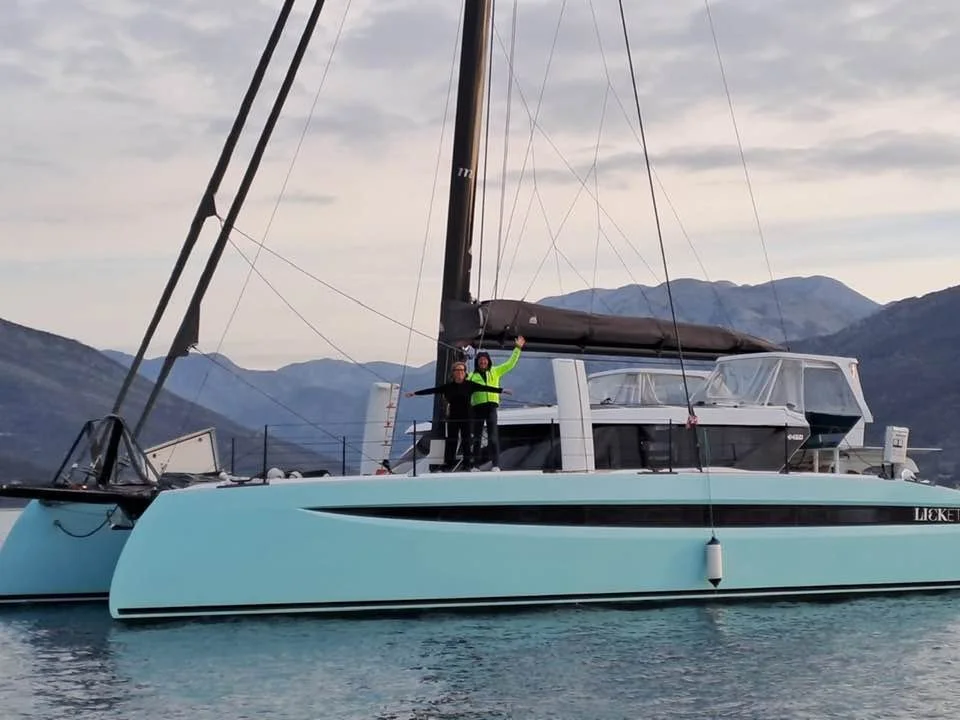
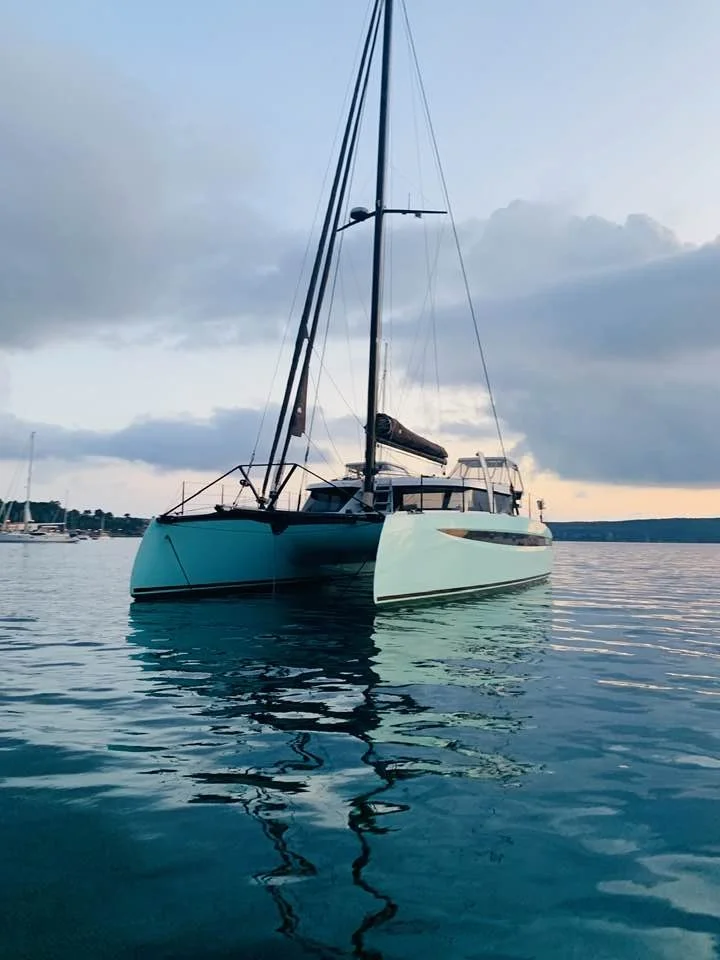
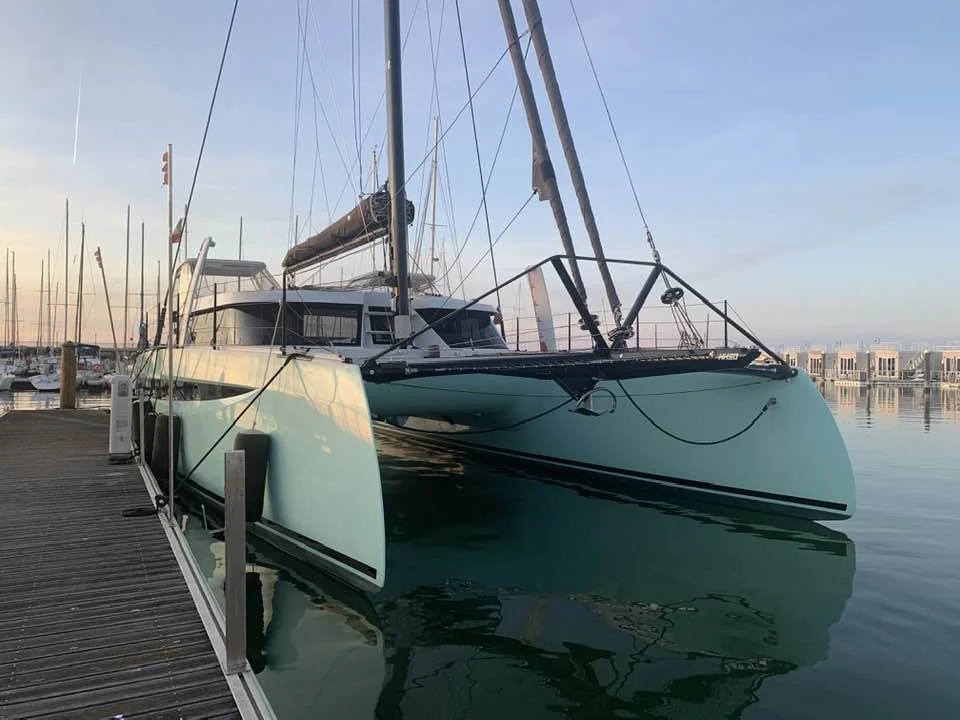
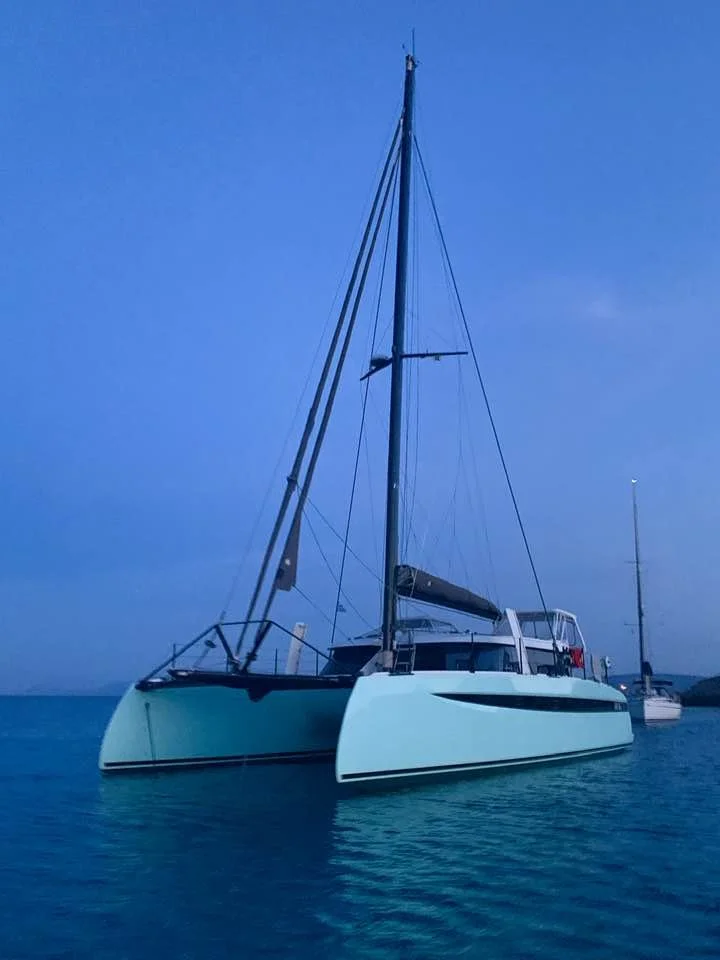
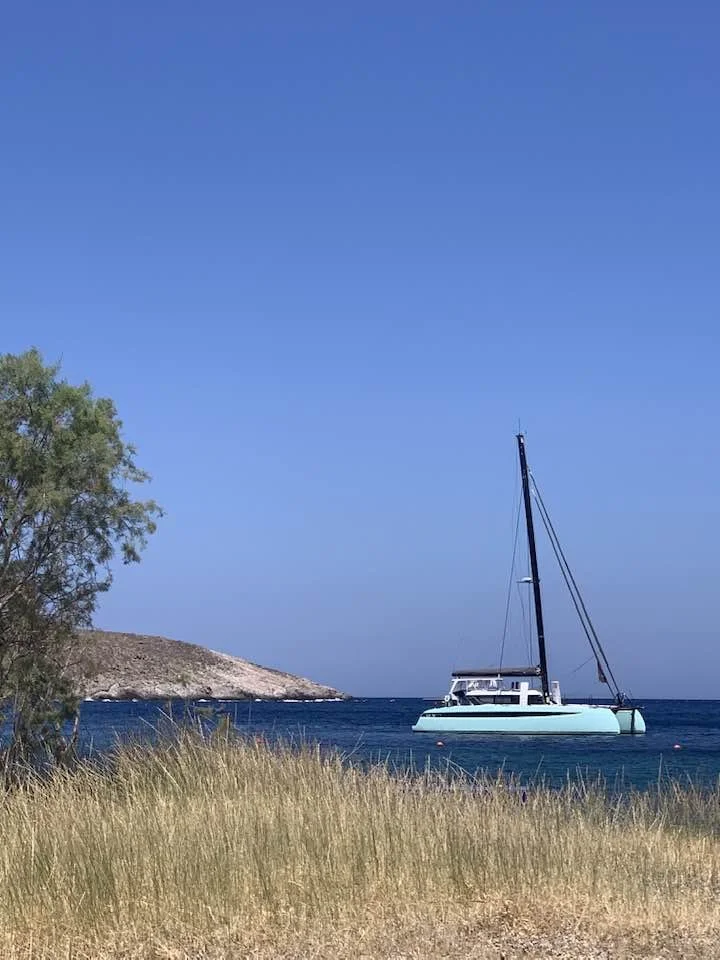
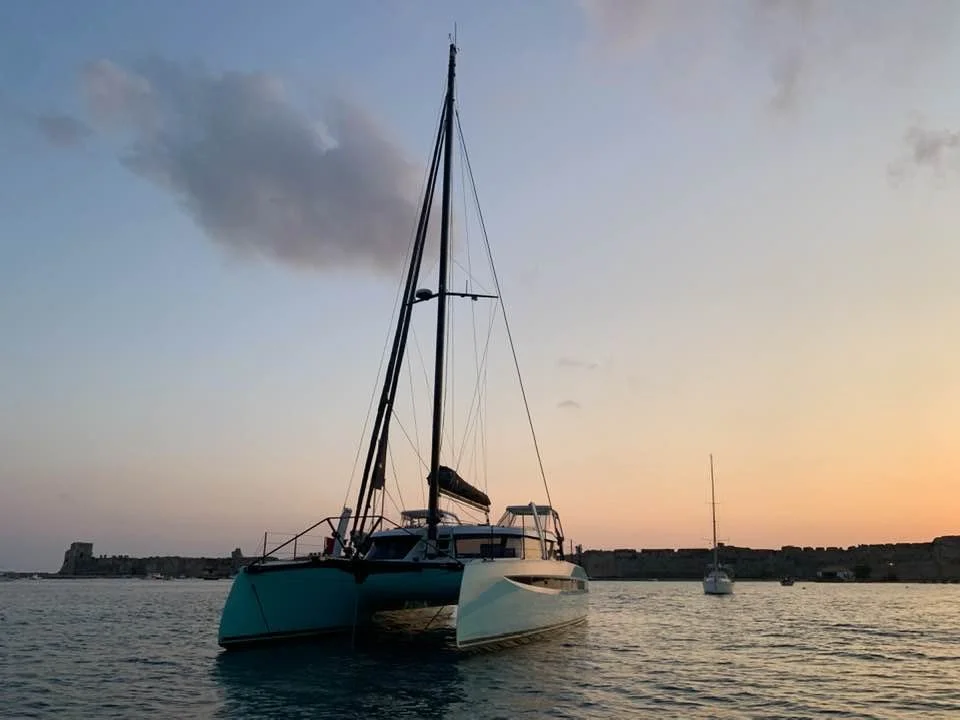
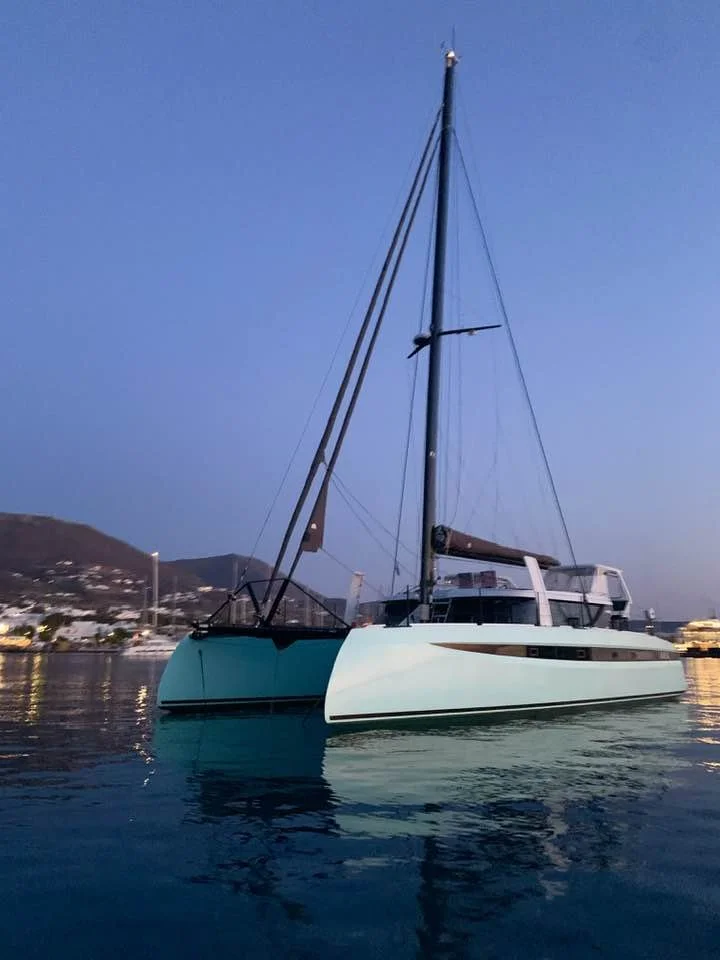
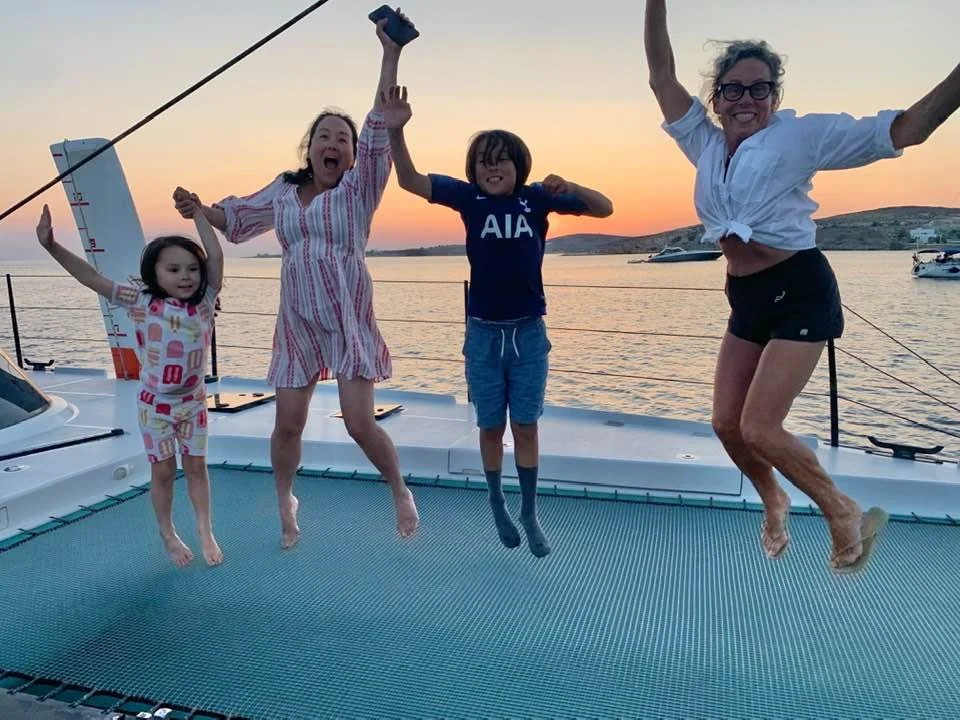
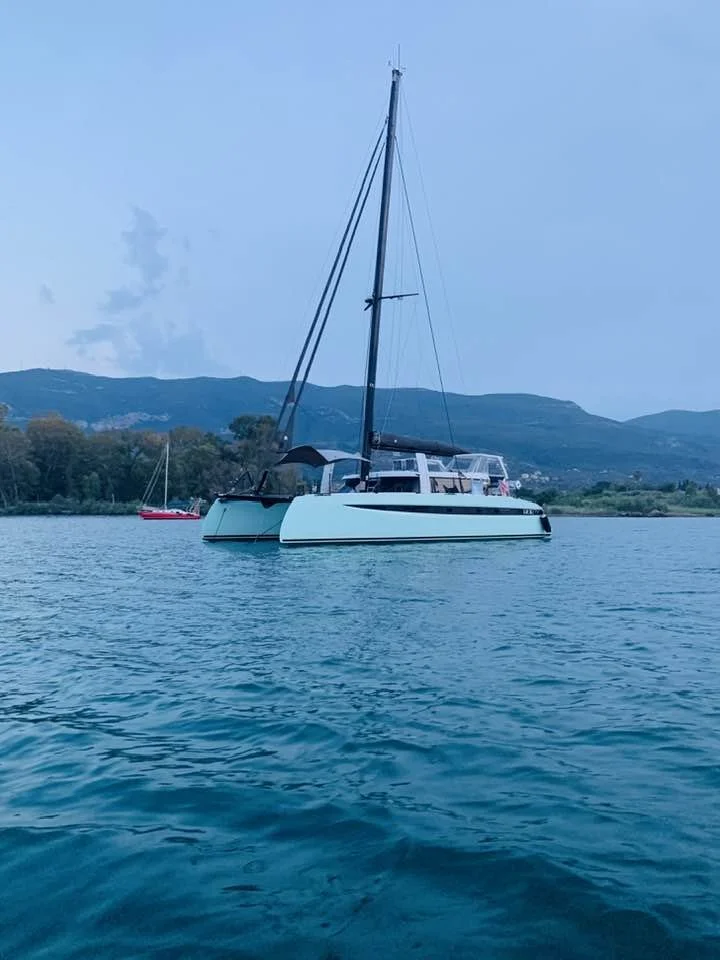
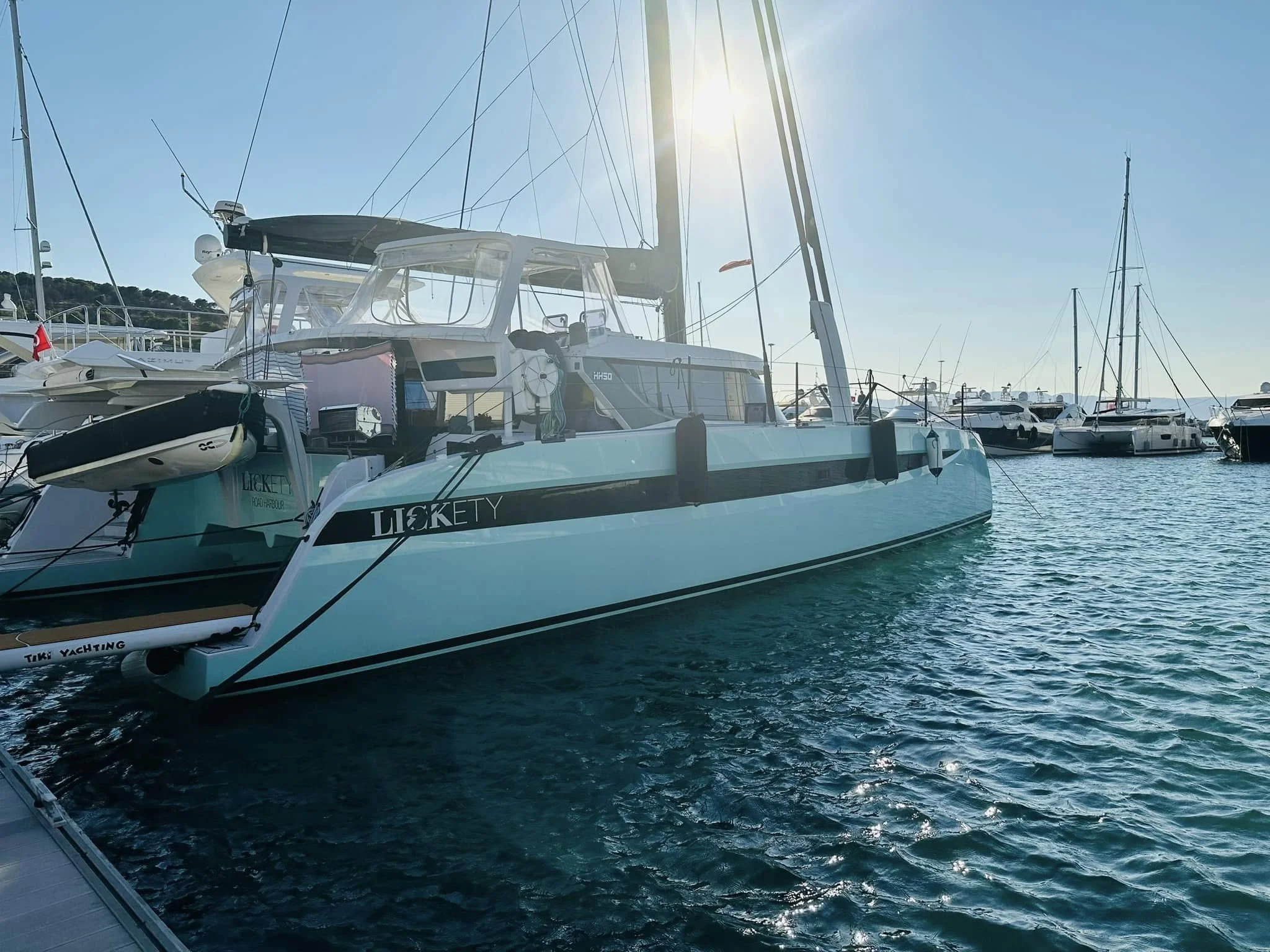
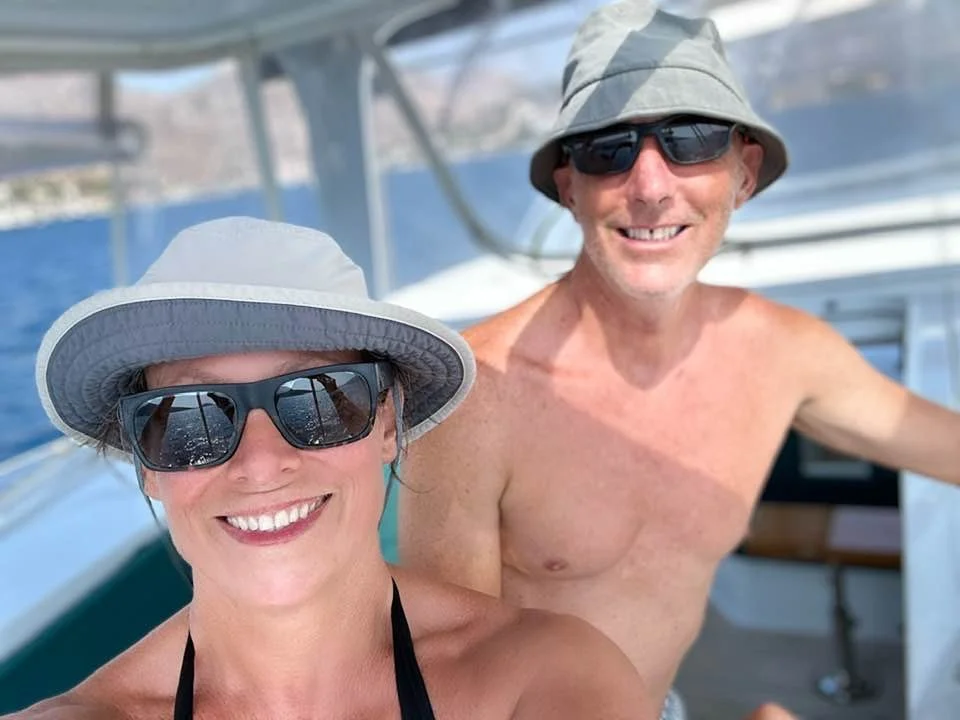
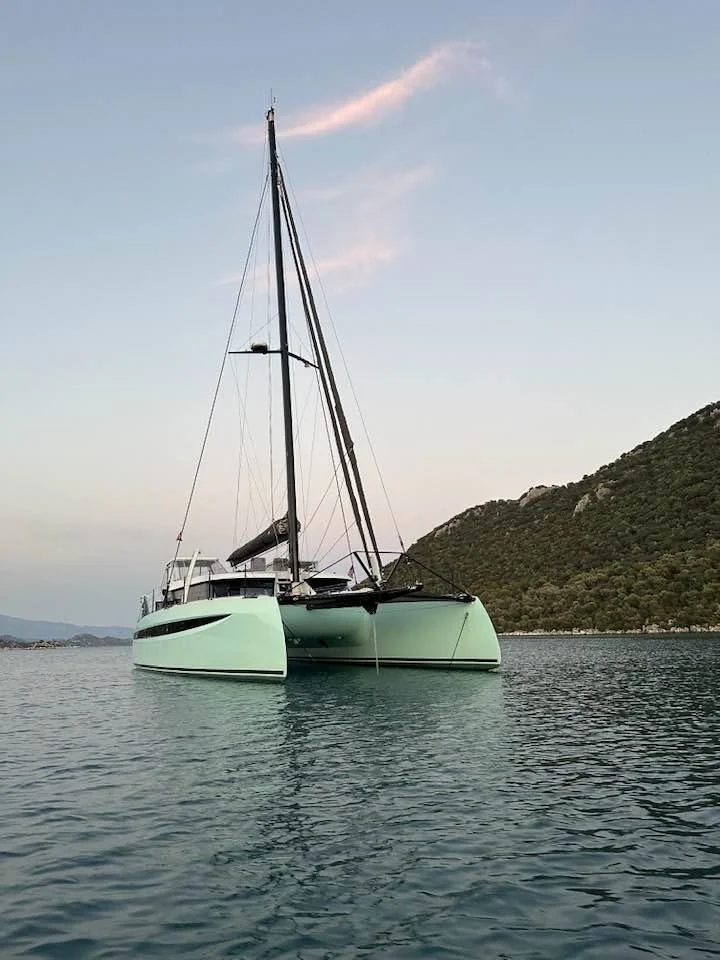
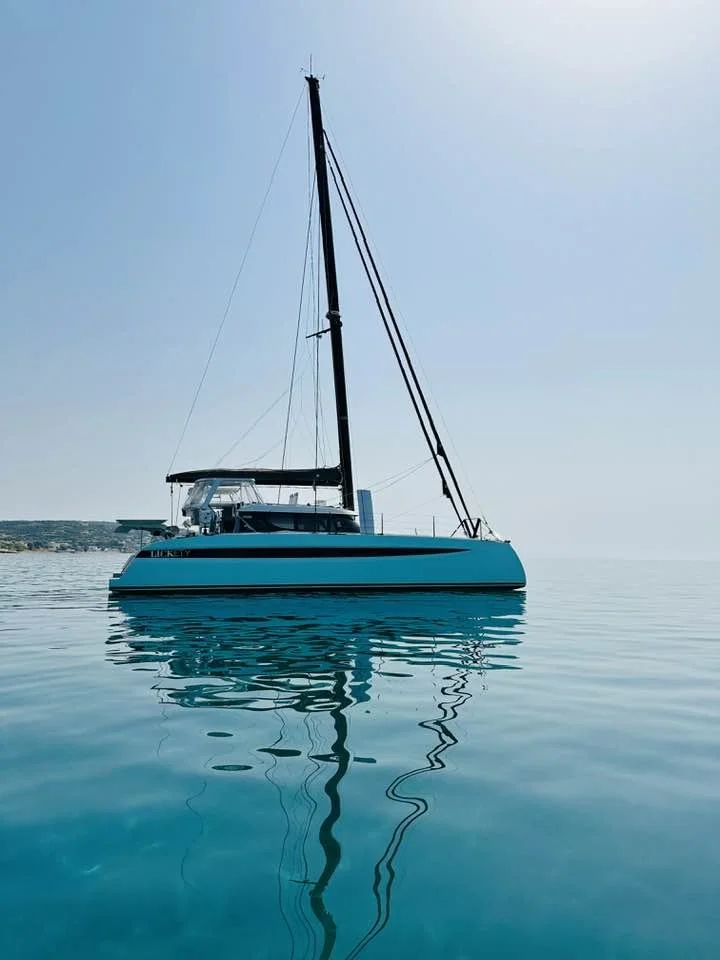
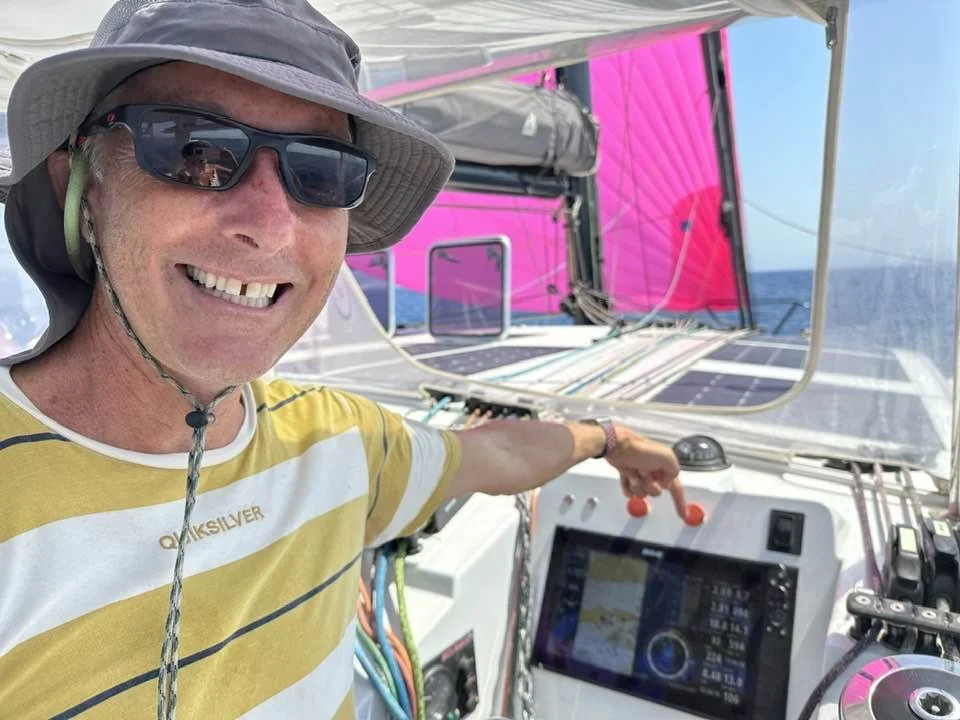
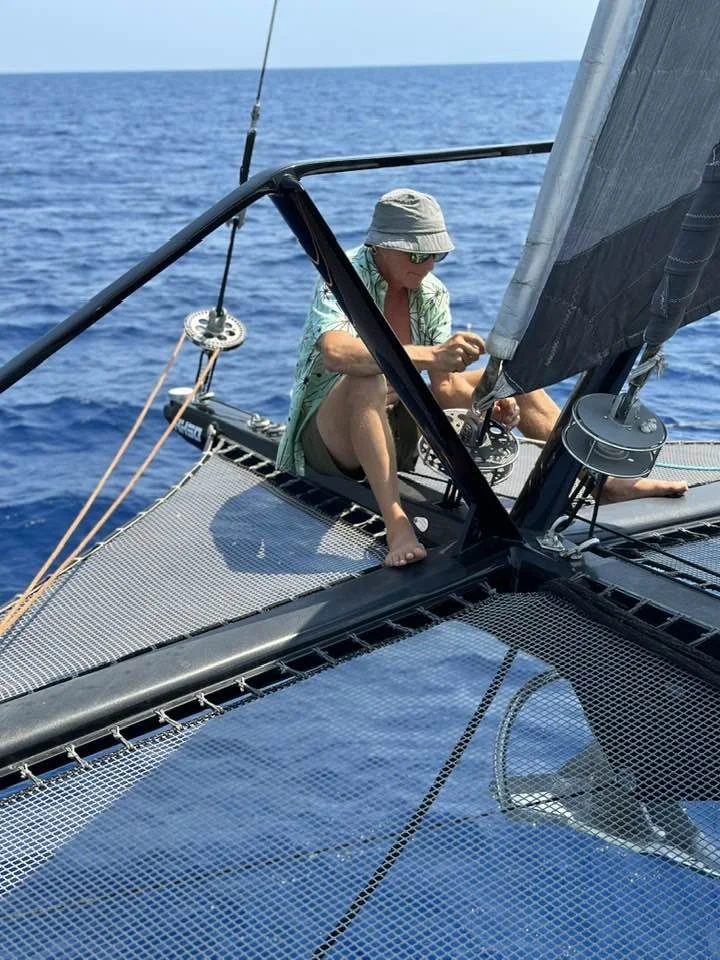
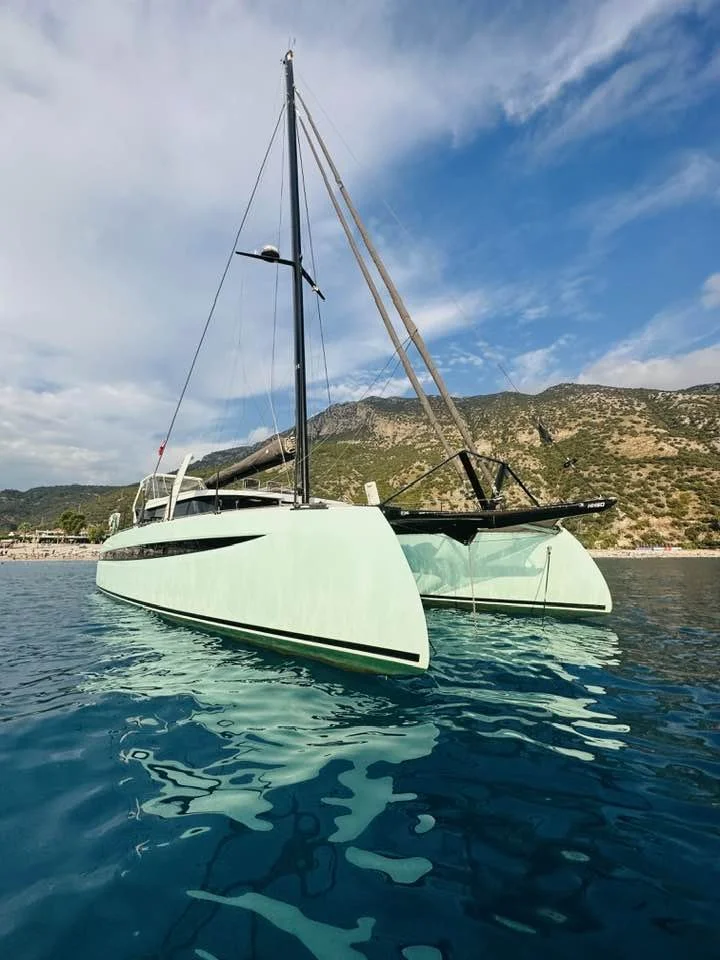
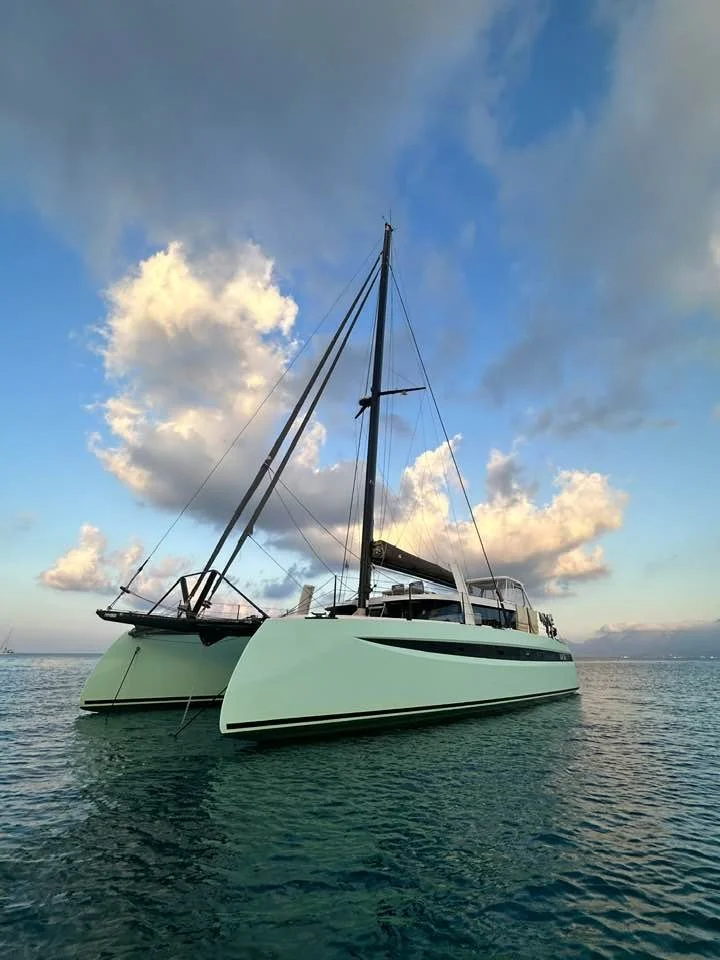
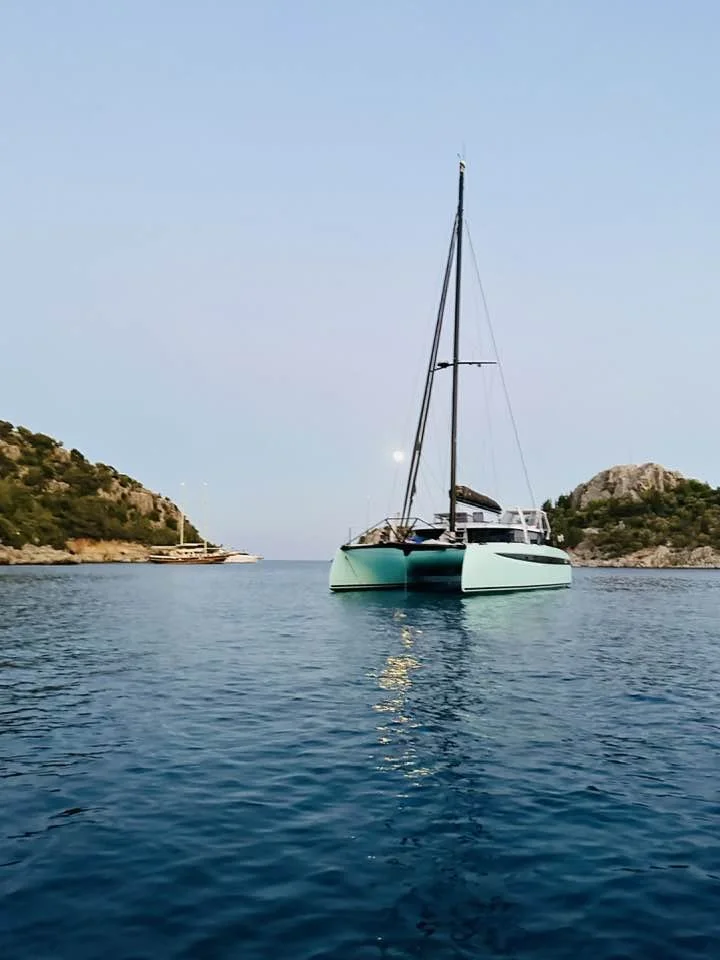
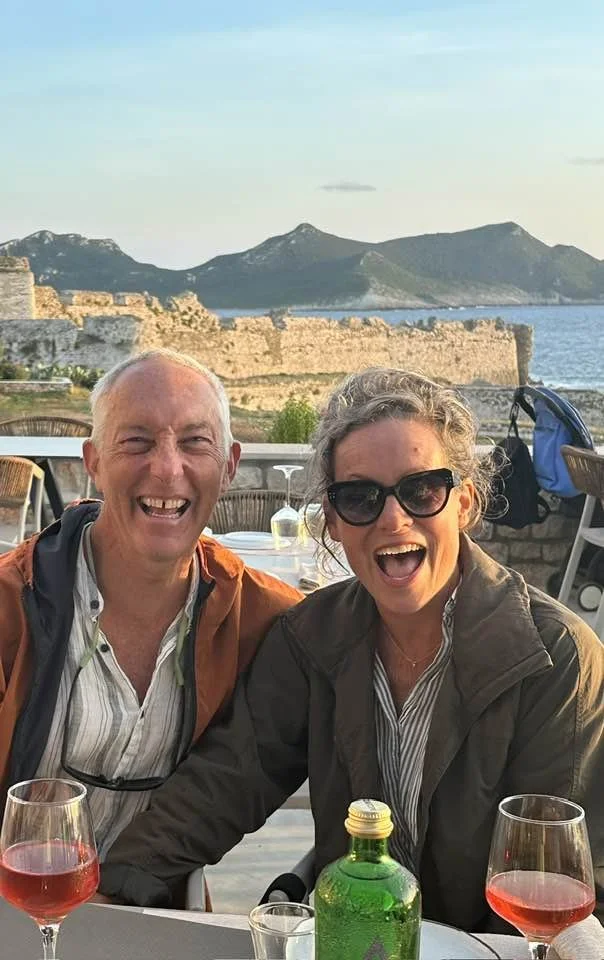
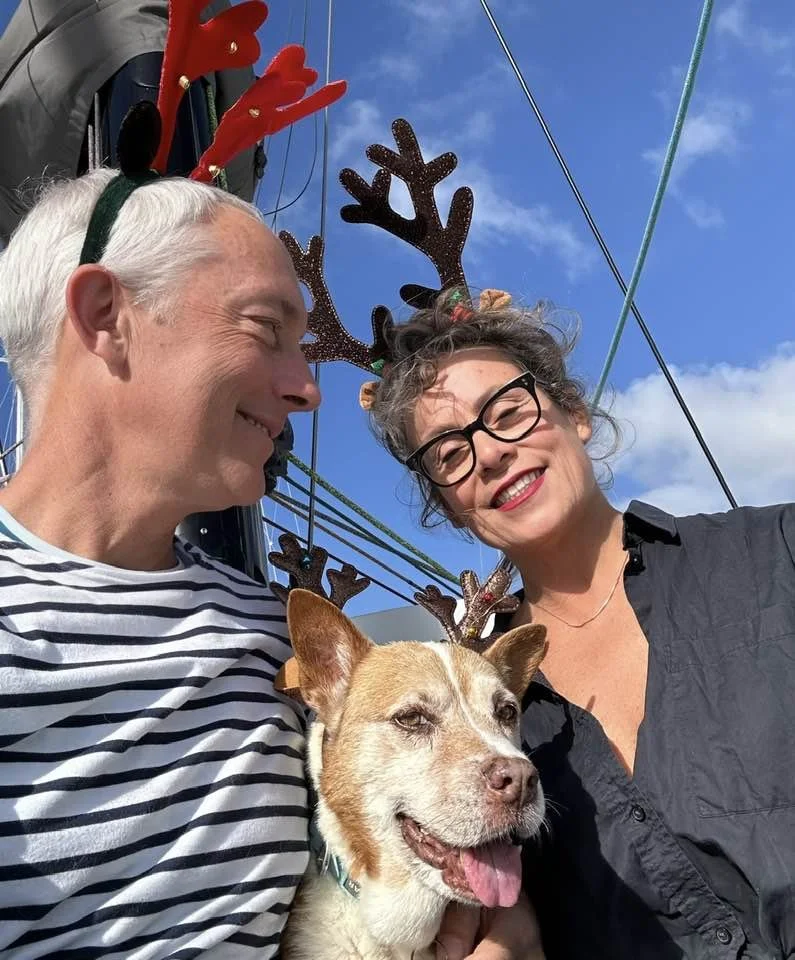
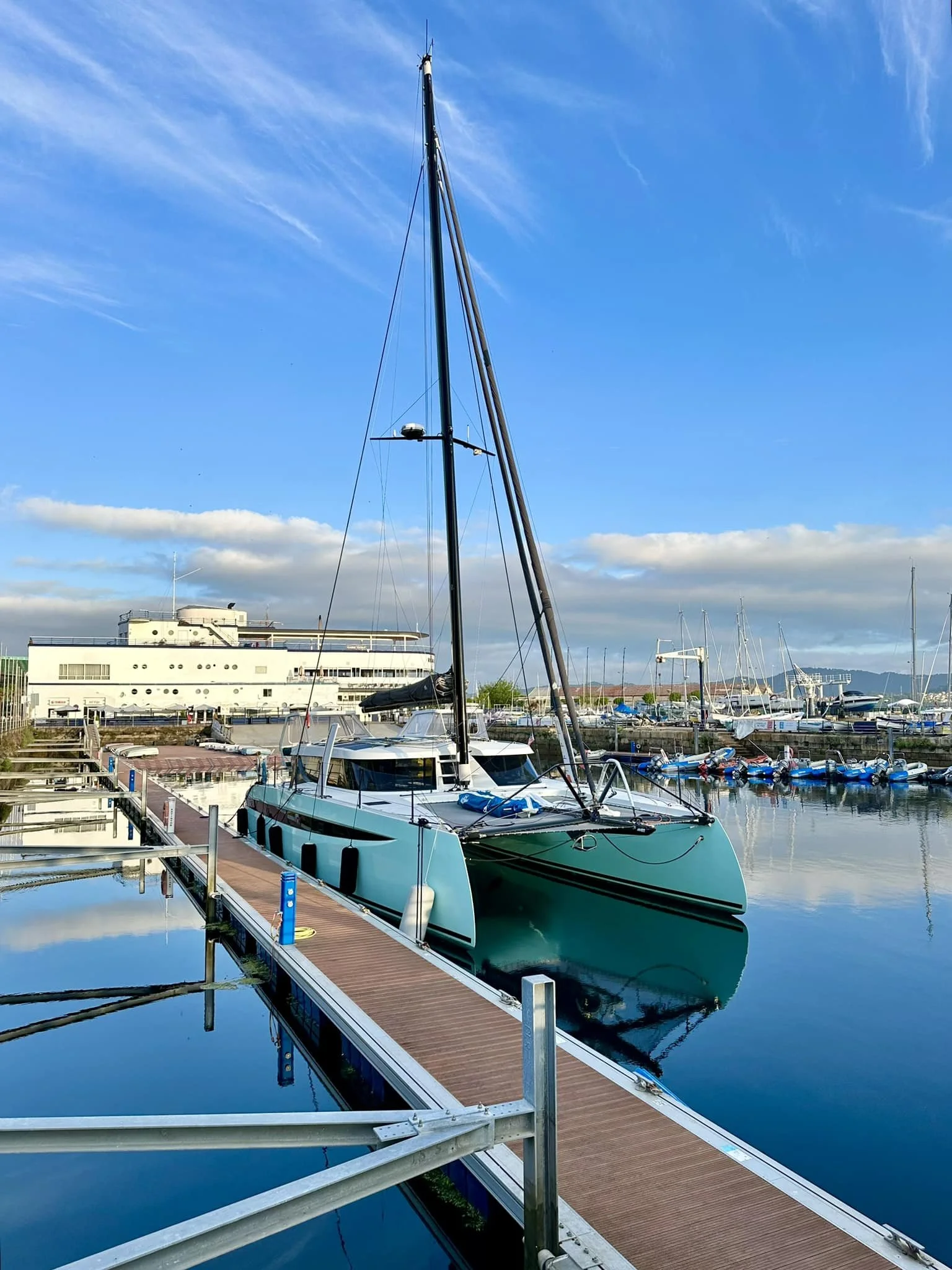
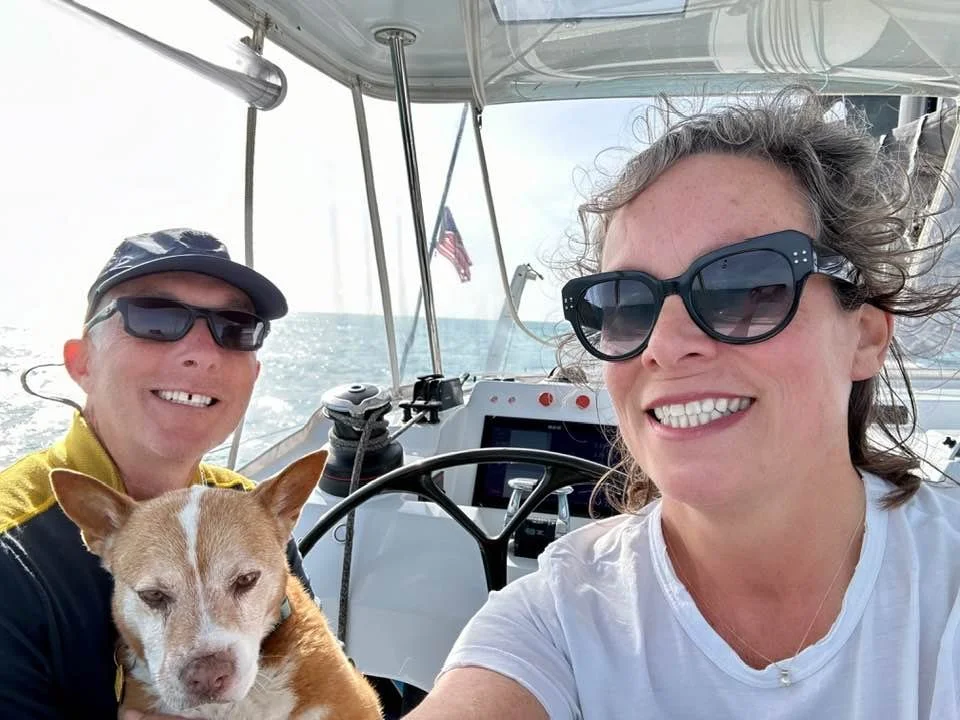
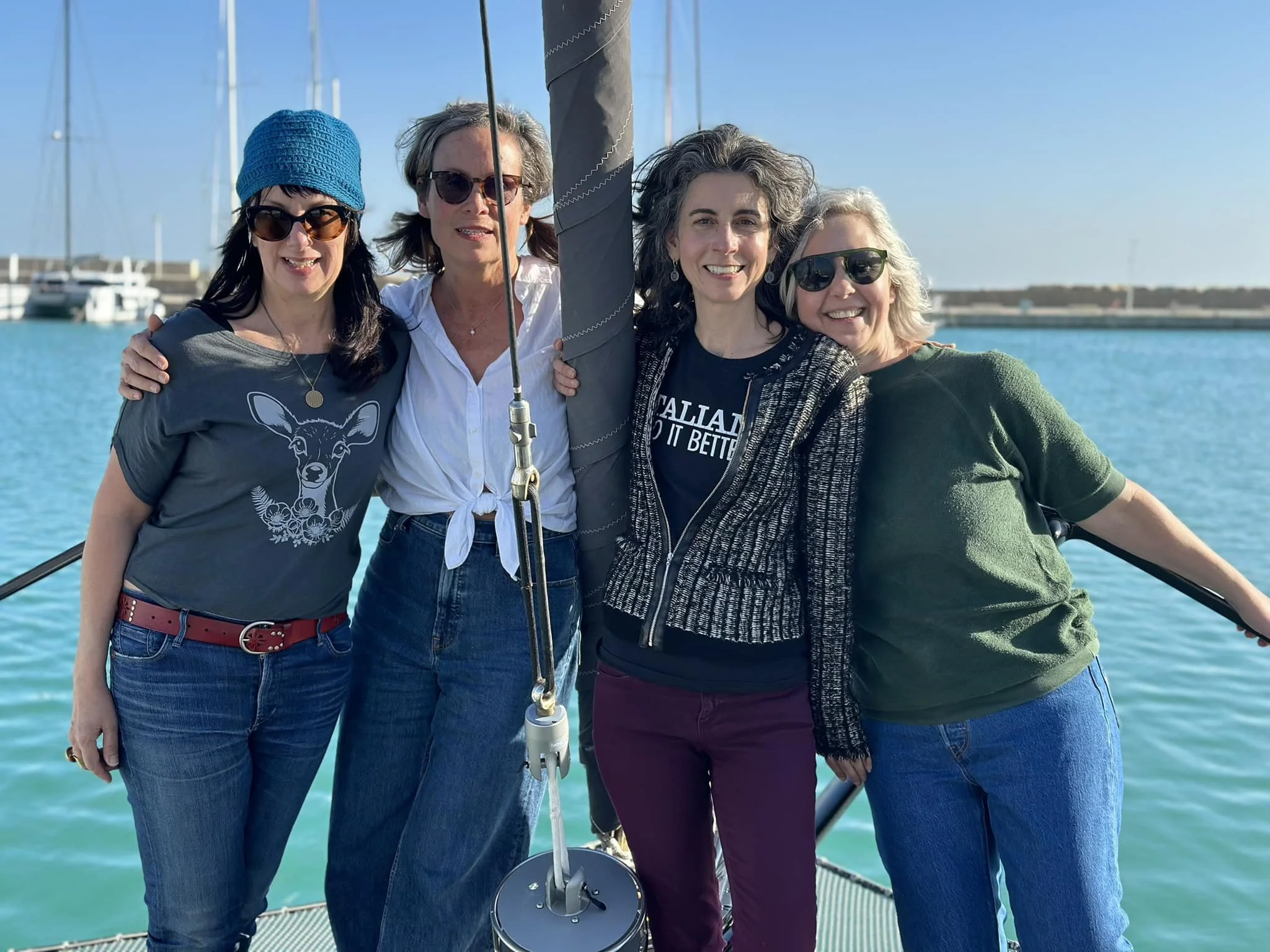
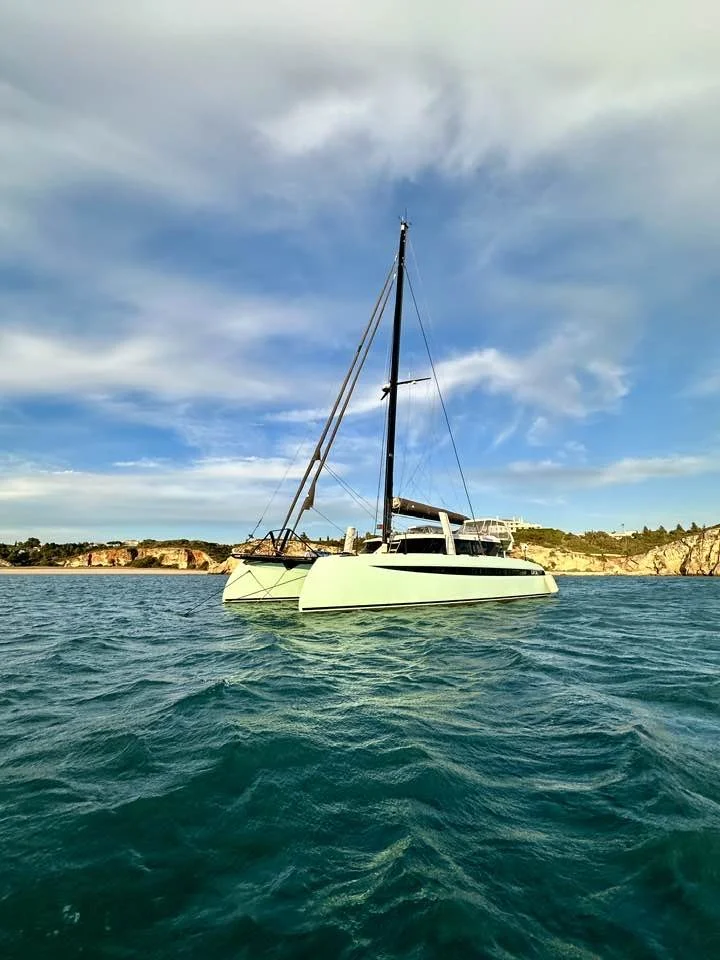
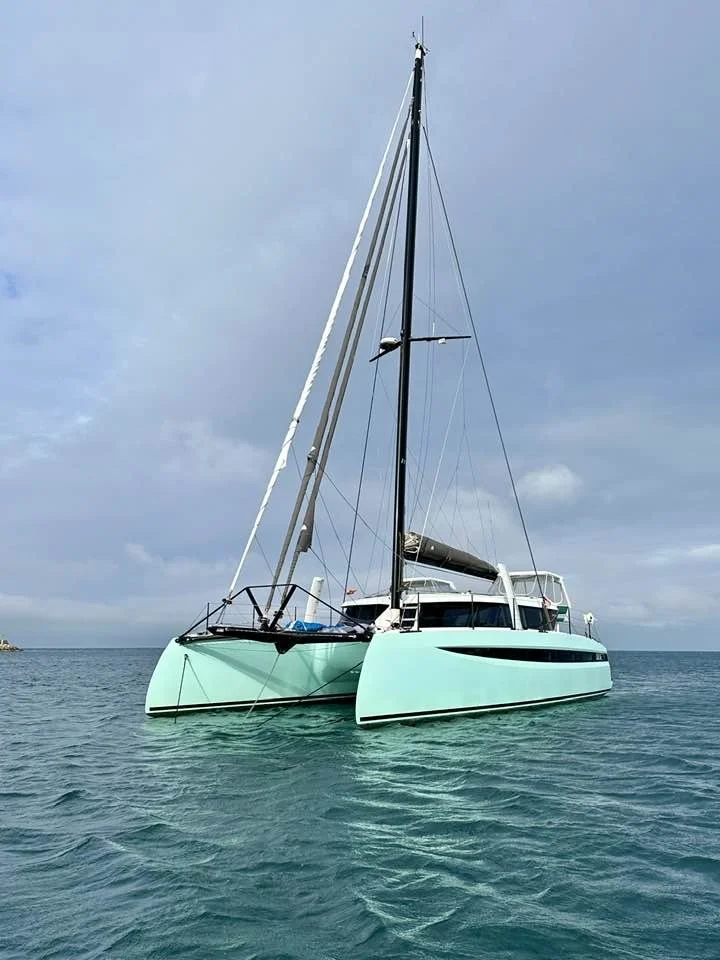
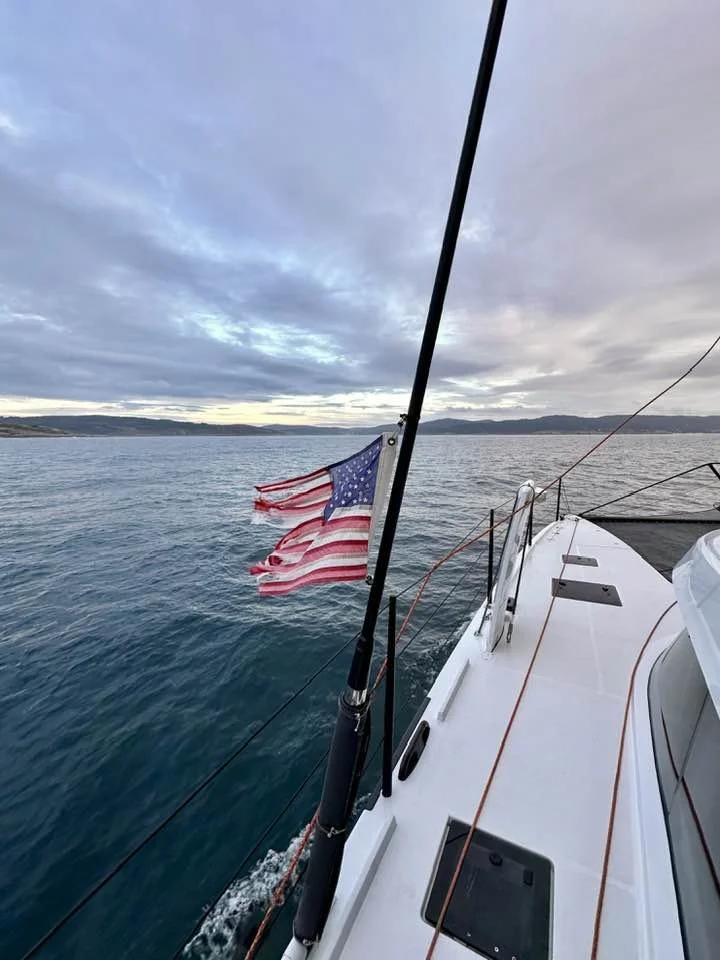
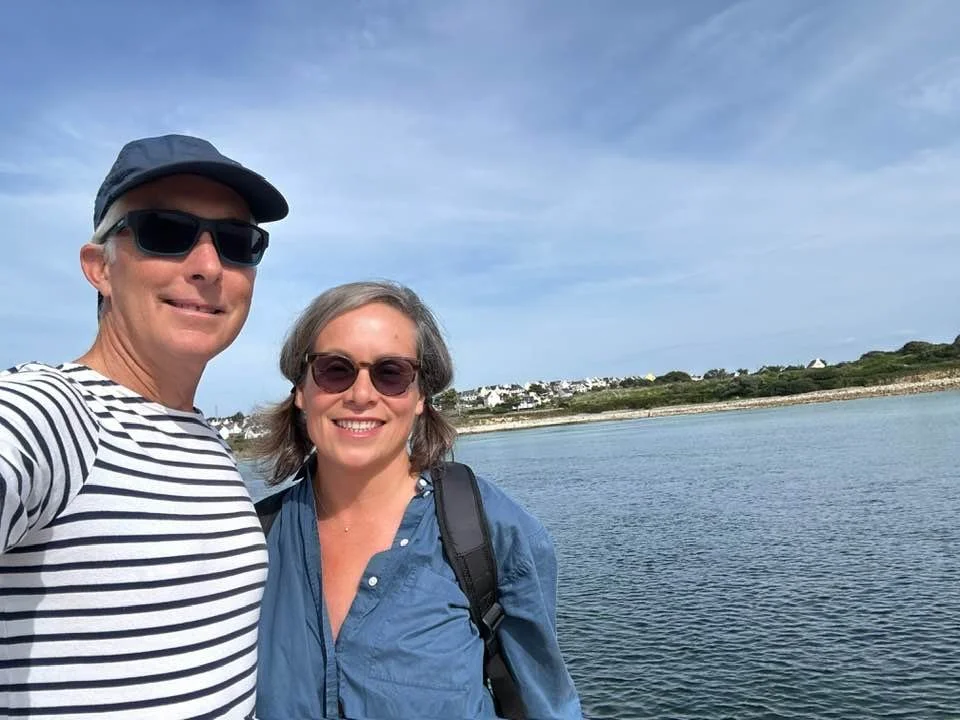
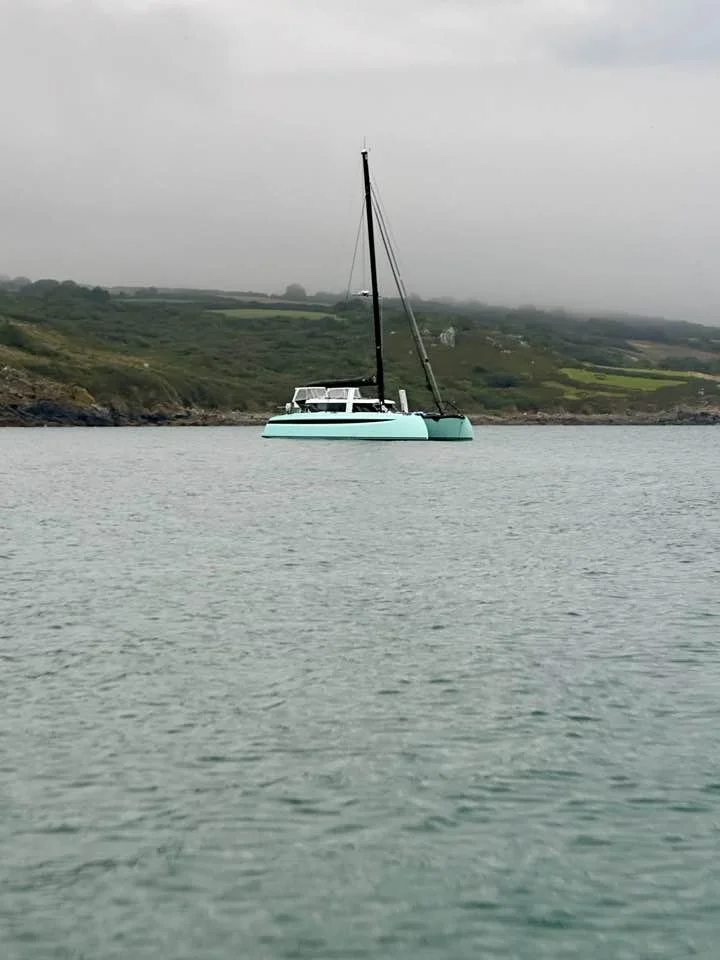
Our amazing HH50 owners Catherine and Todd have been cruising non stop since taking delivery of their gorgeous HH50 Lickety in 2021. They wrapped up a two year stint in the Med in 2025, and were kind enough to share their experiences.
Words by Todd Wexman, photos by Catherine Lorenz
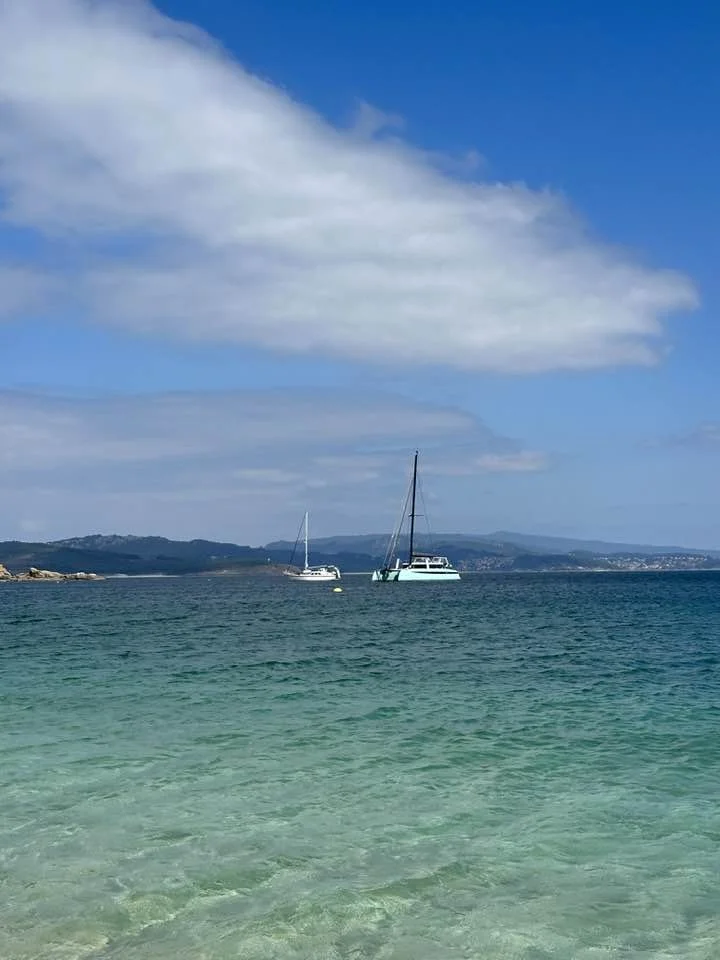
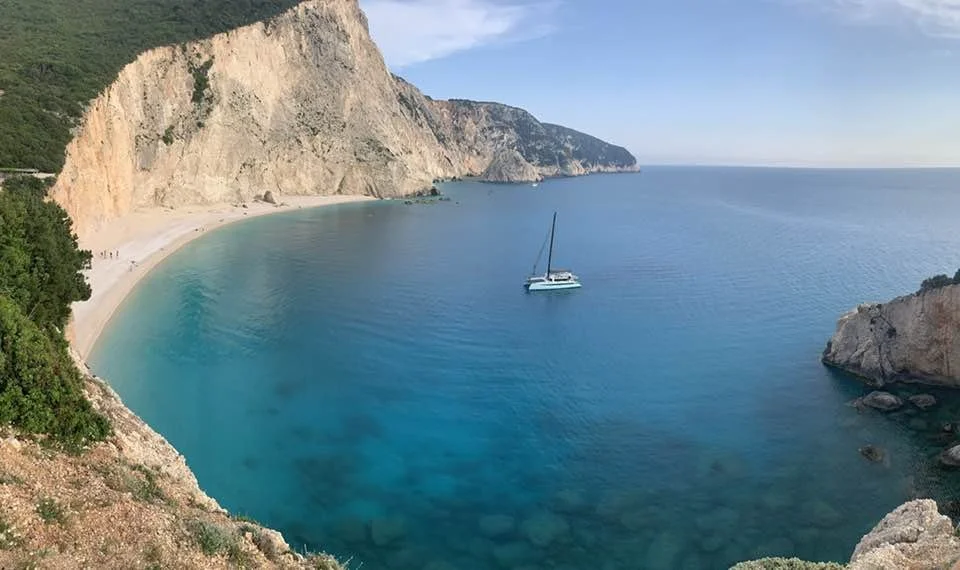
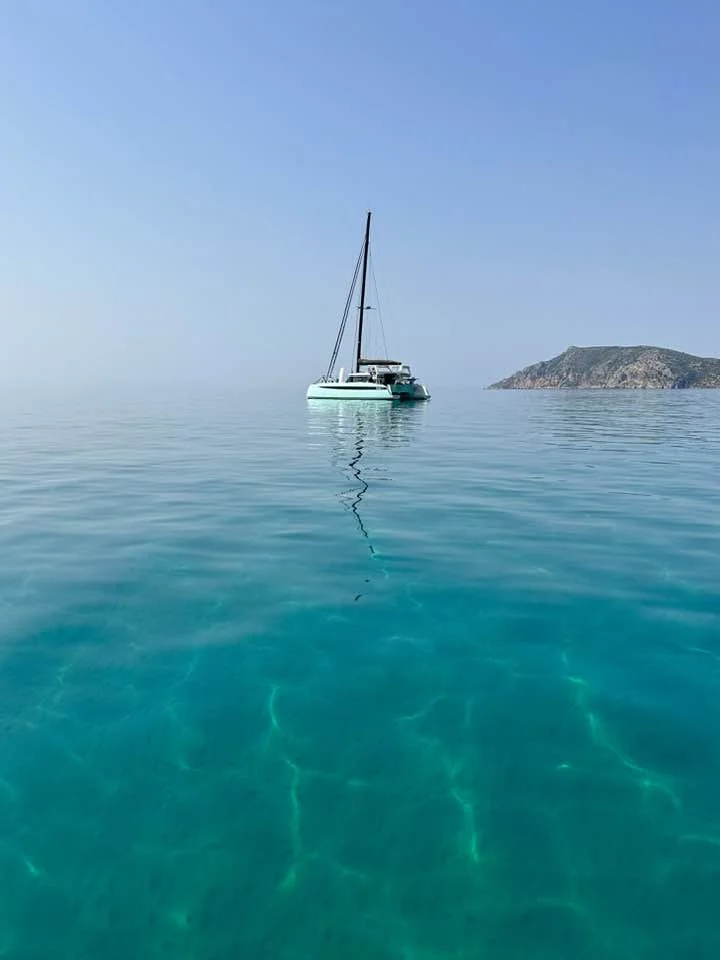
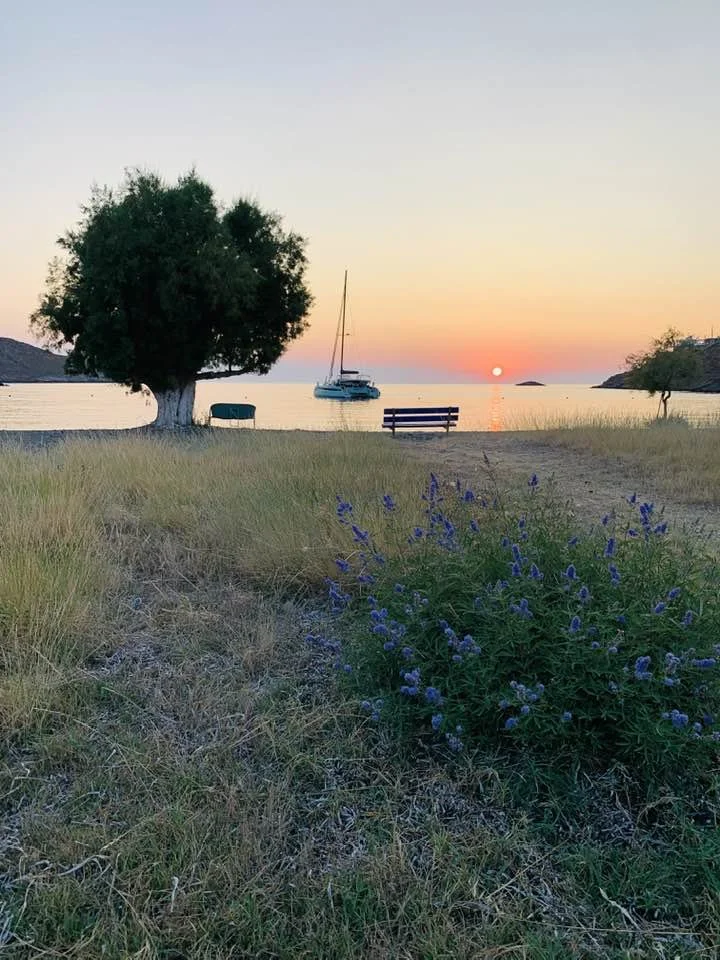
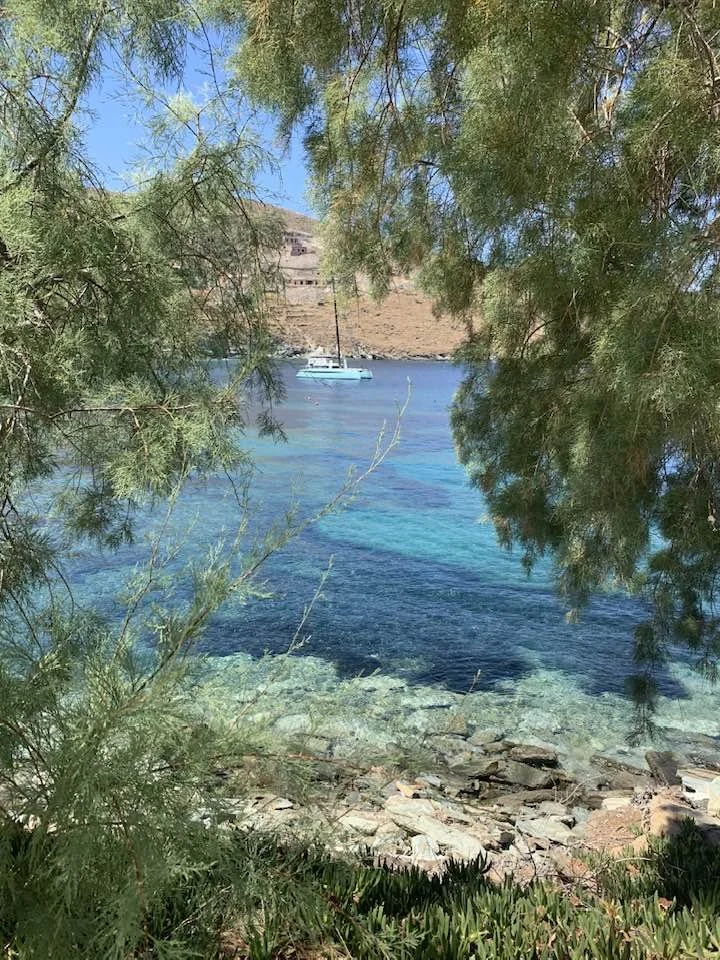
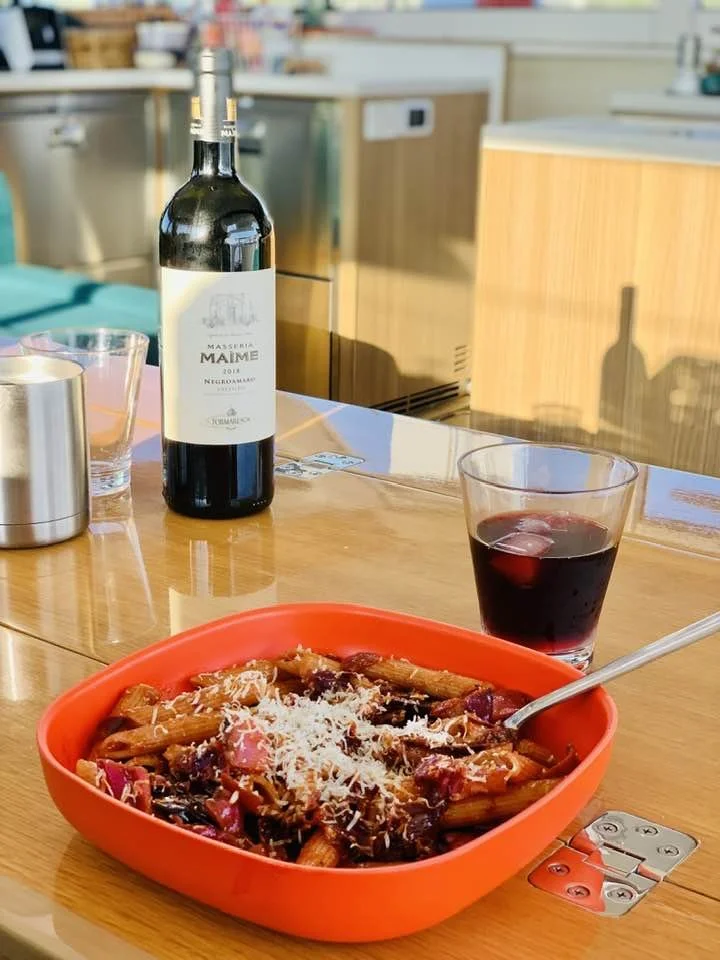
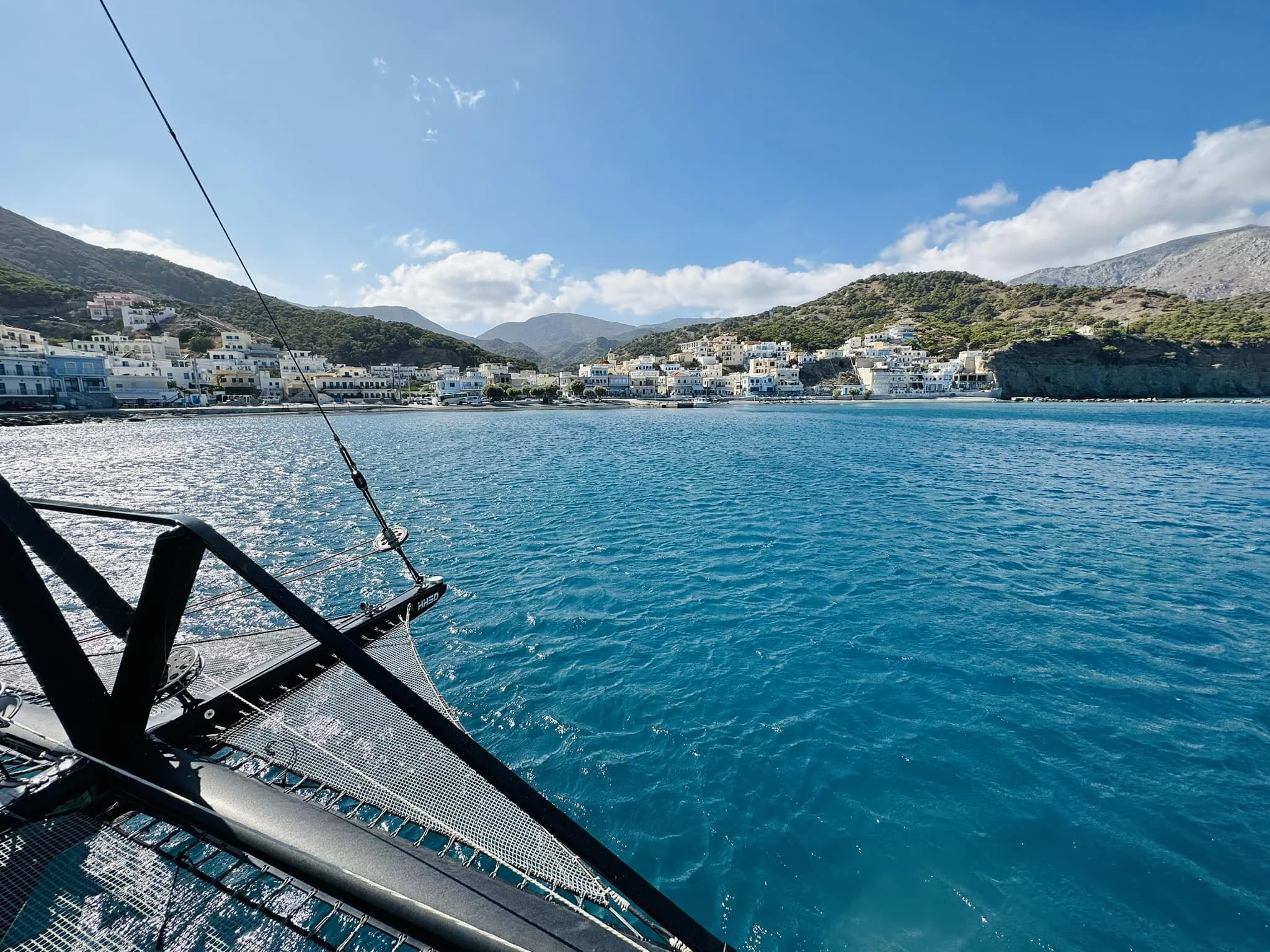
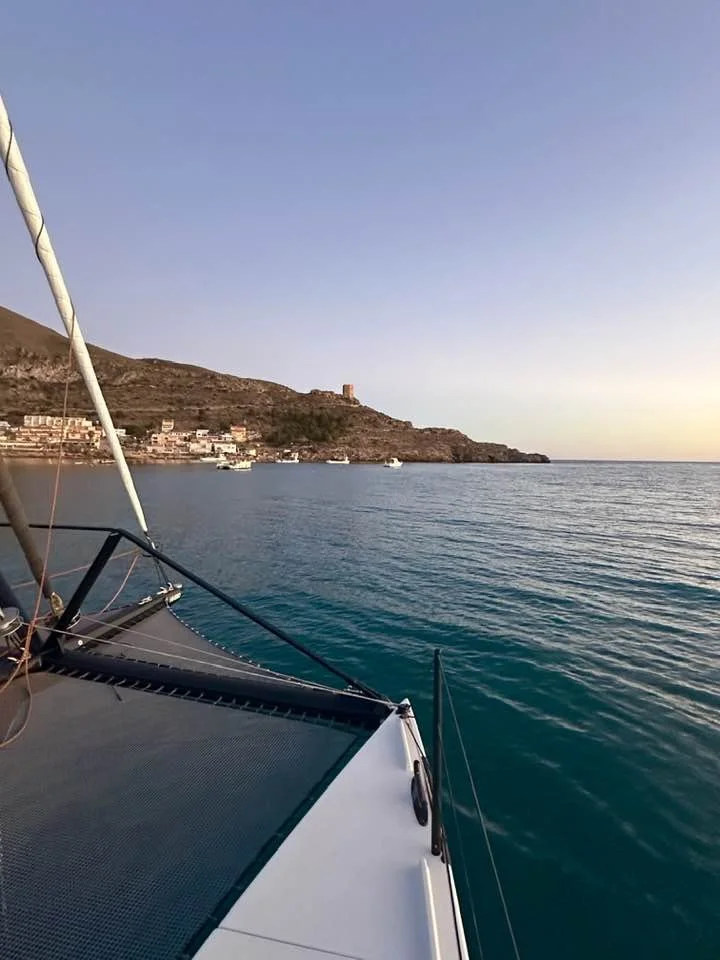
The Mediterranean is a magical cruising ground offerings clear waters, beautiful beaches, charming towns, quaint islands, ancient ruins, and local epicurean delights. But you have to get to these attractions and therein lies the common Med sailing distain: too much, too little, and constantly changing wind.
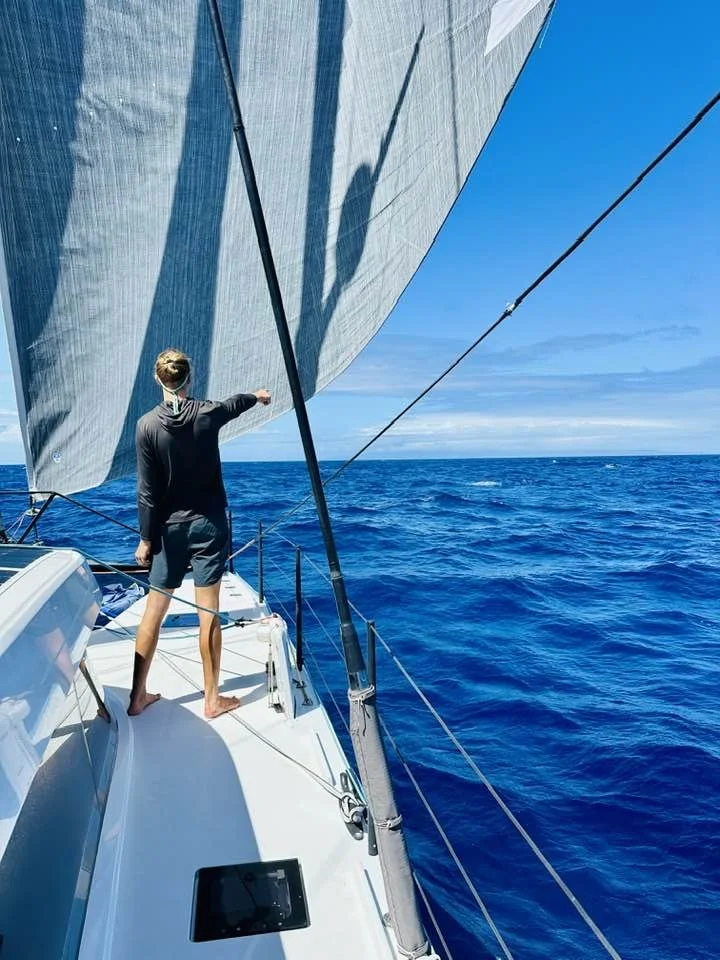
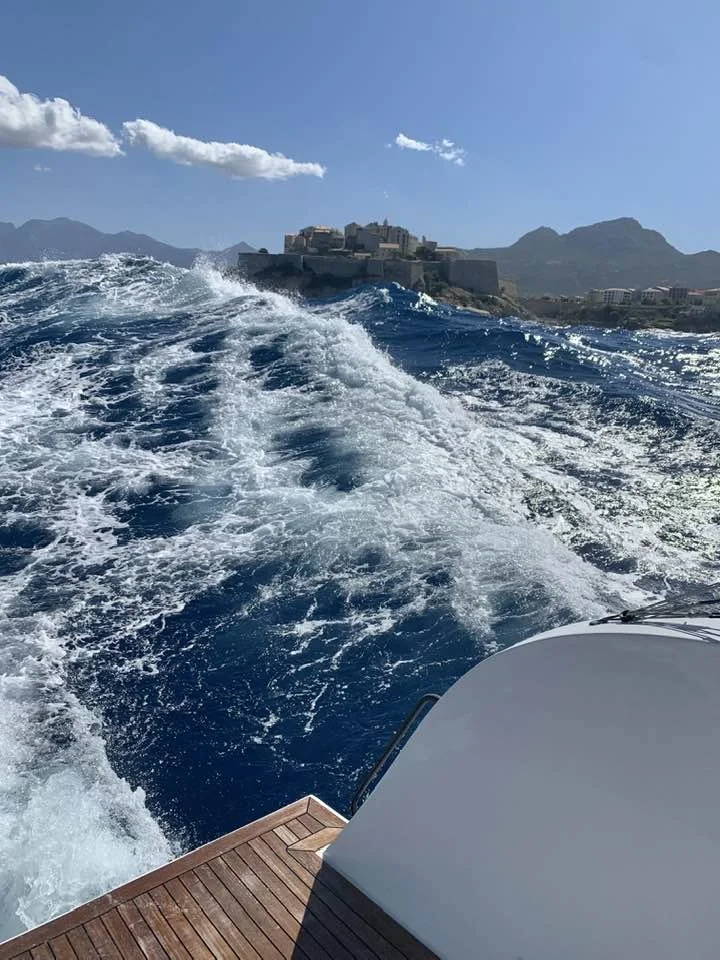
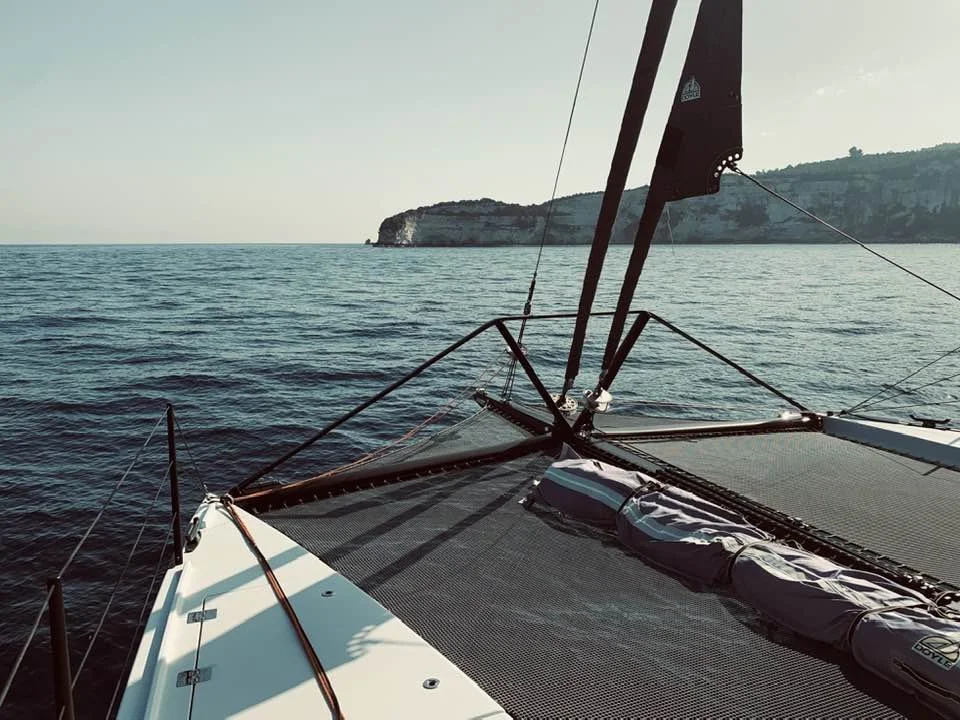
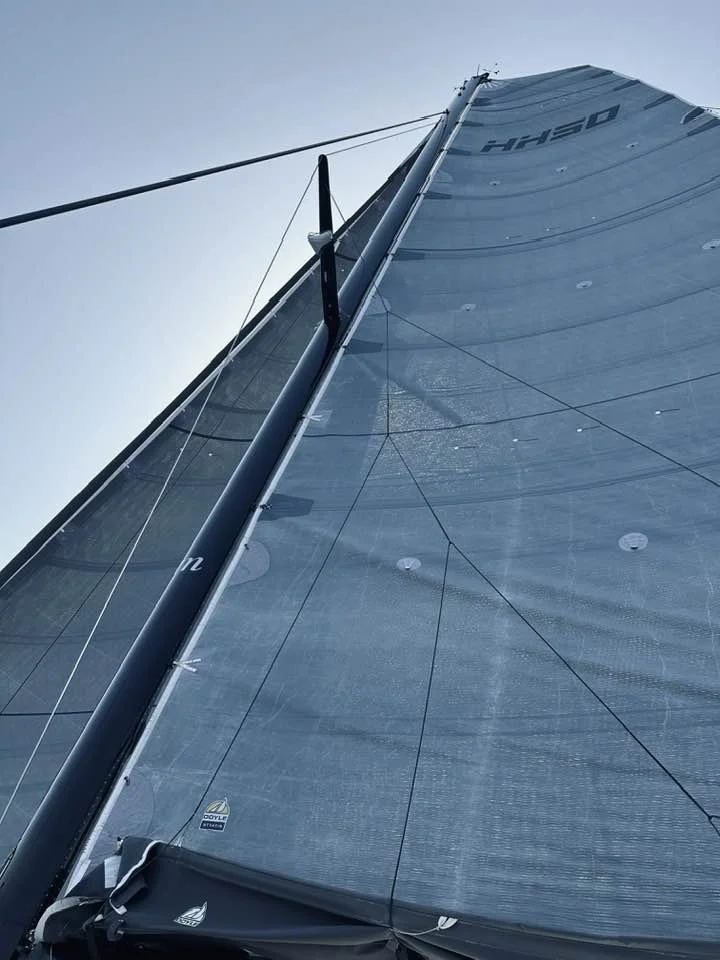
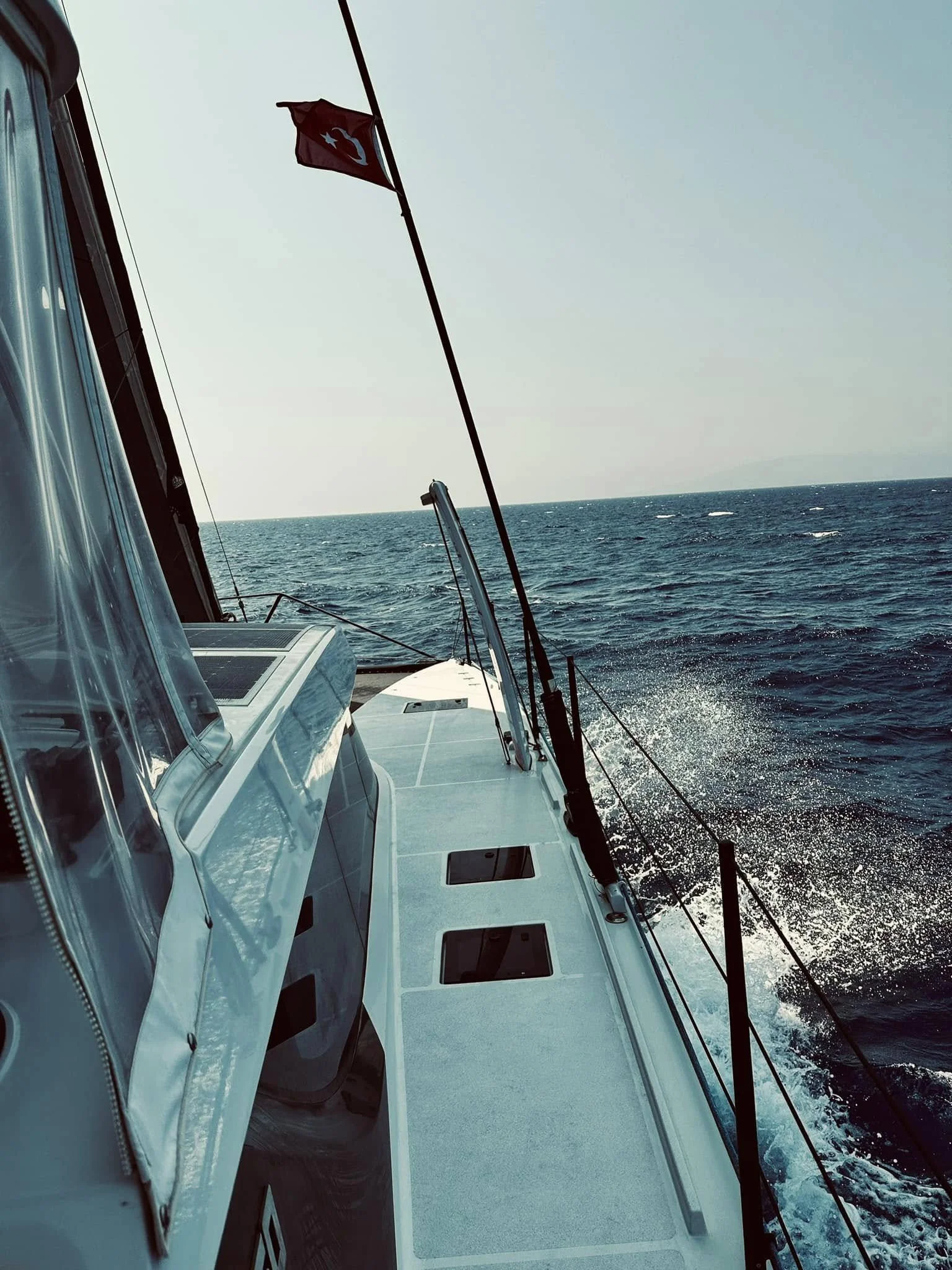
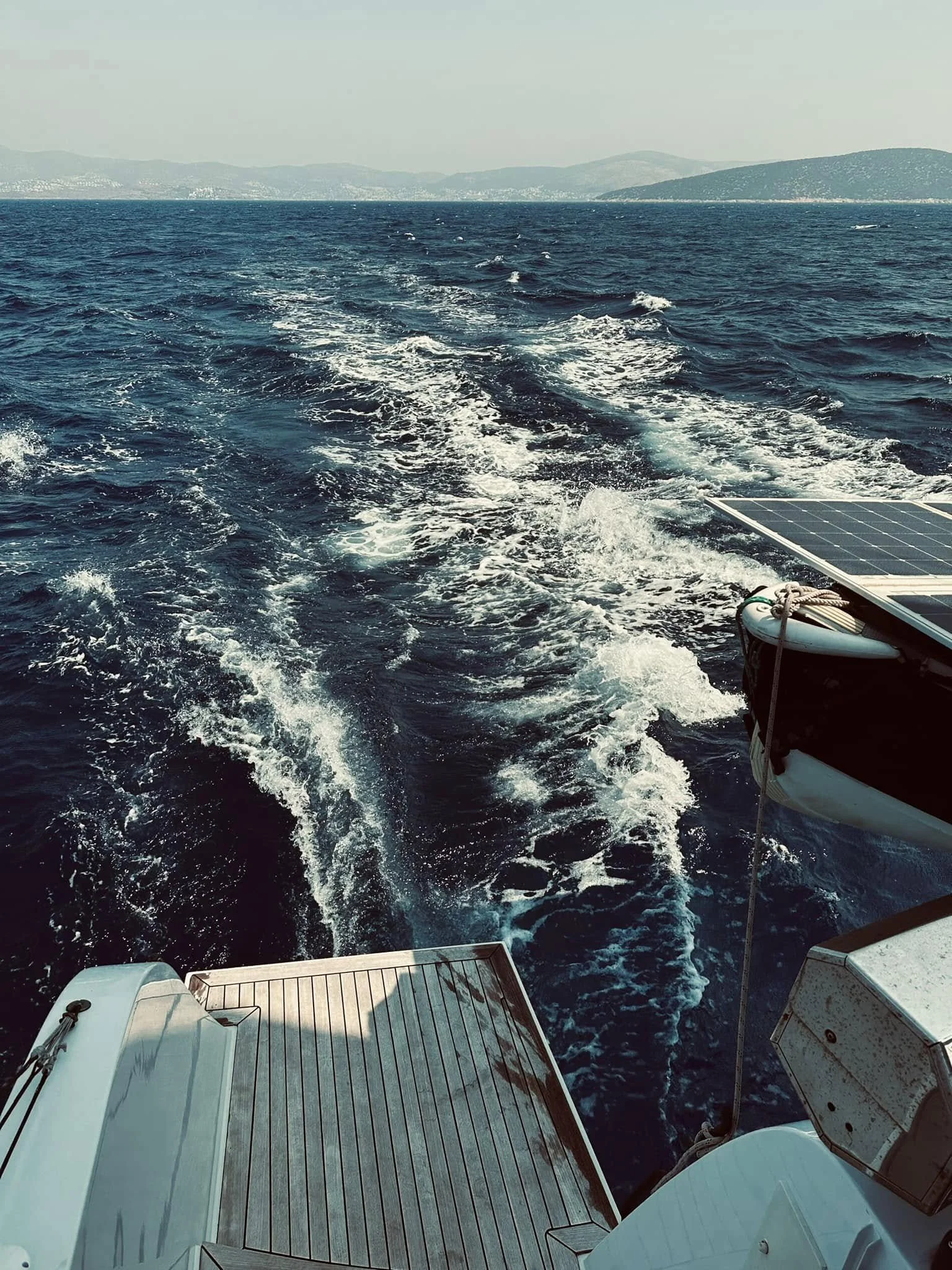
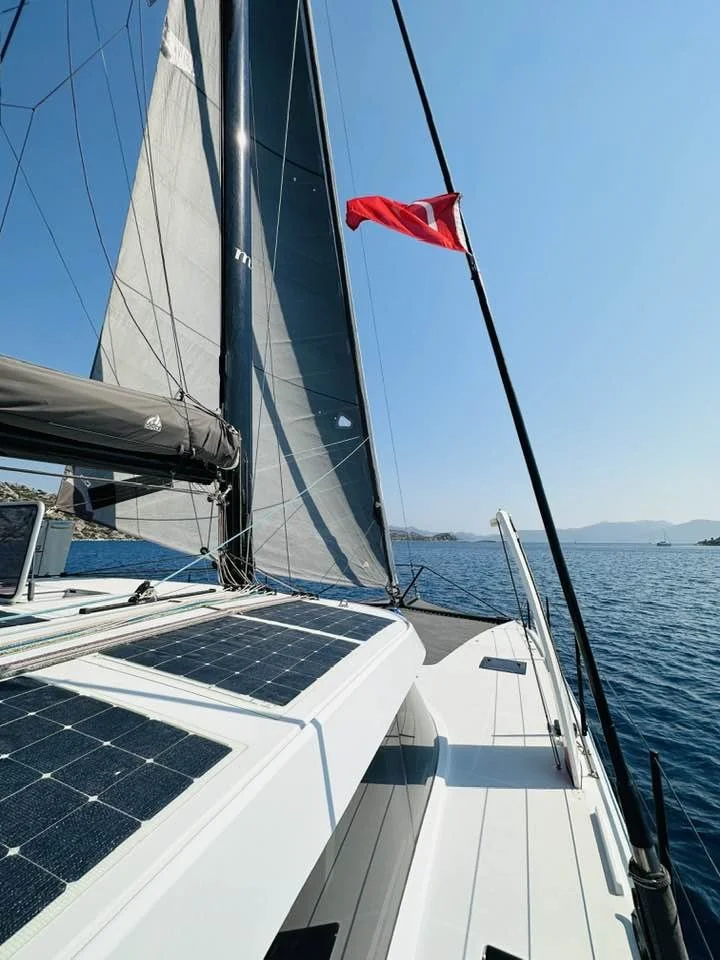
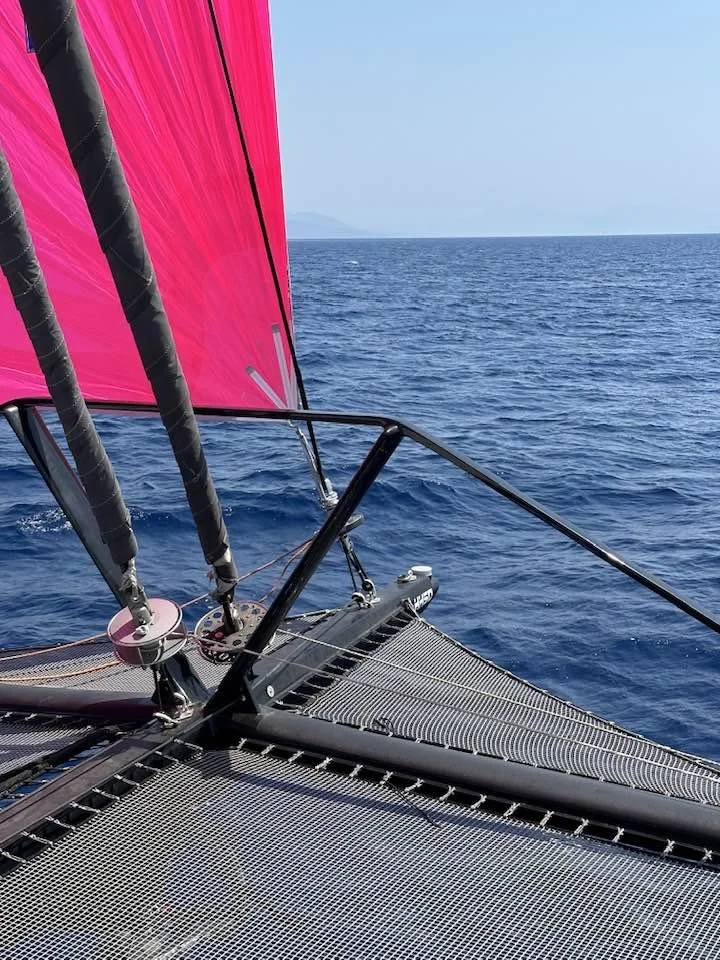
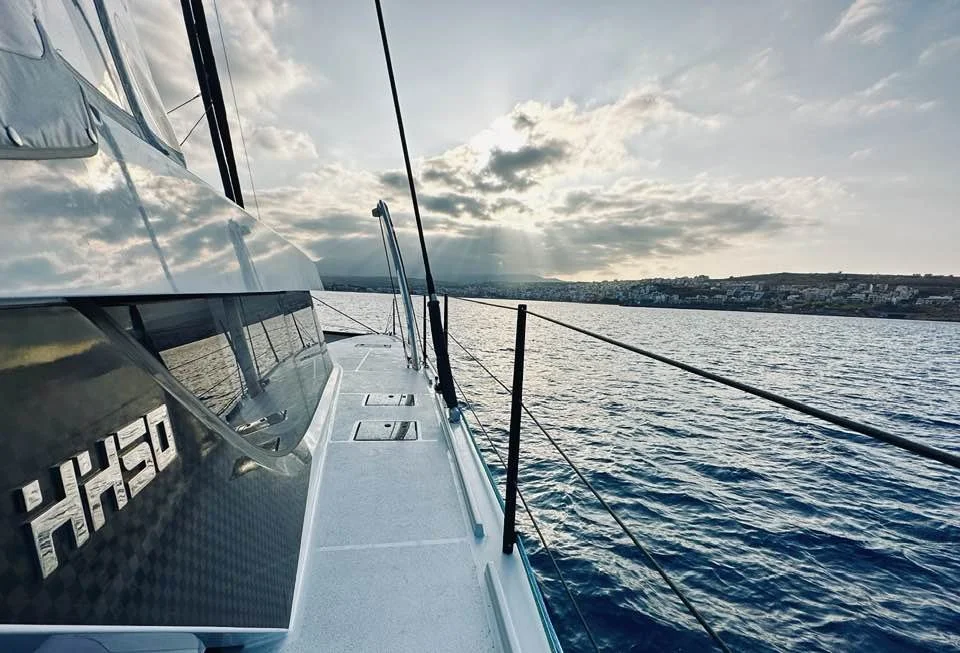
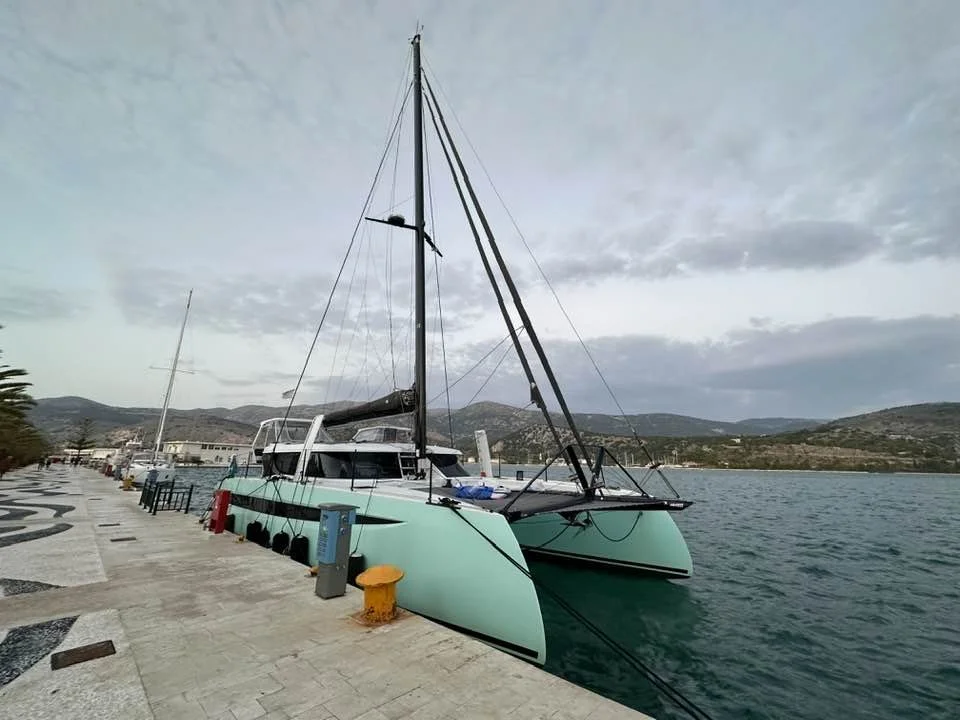
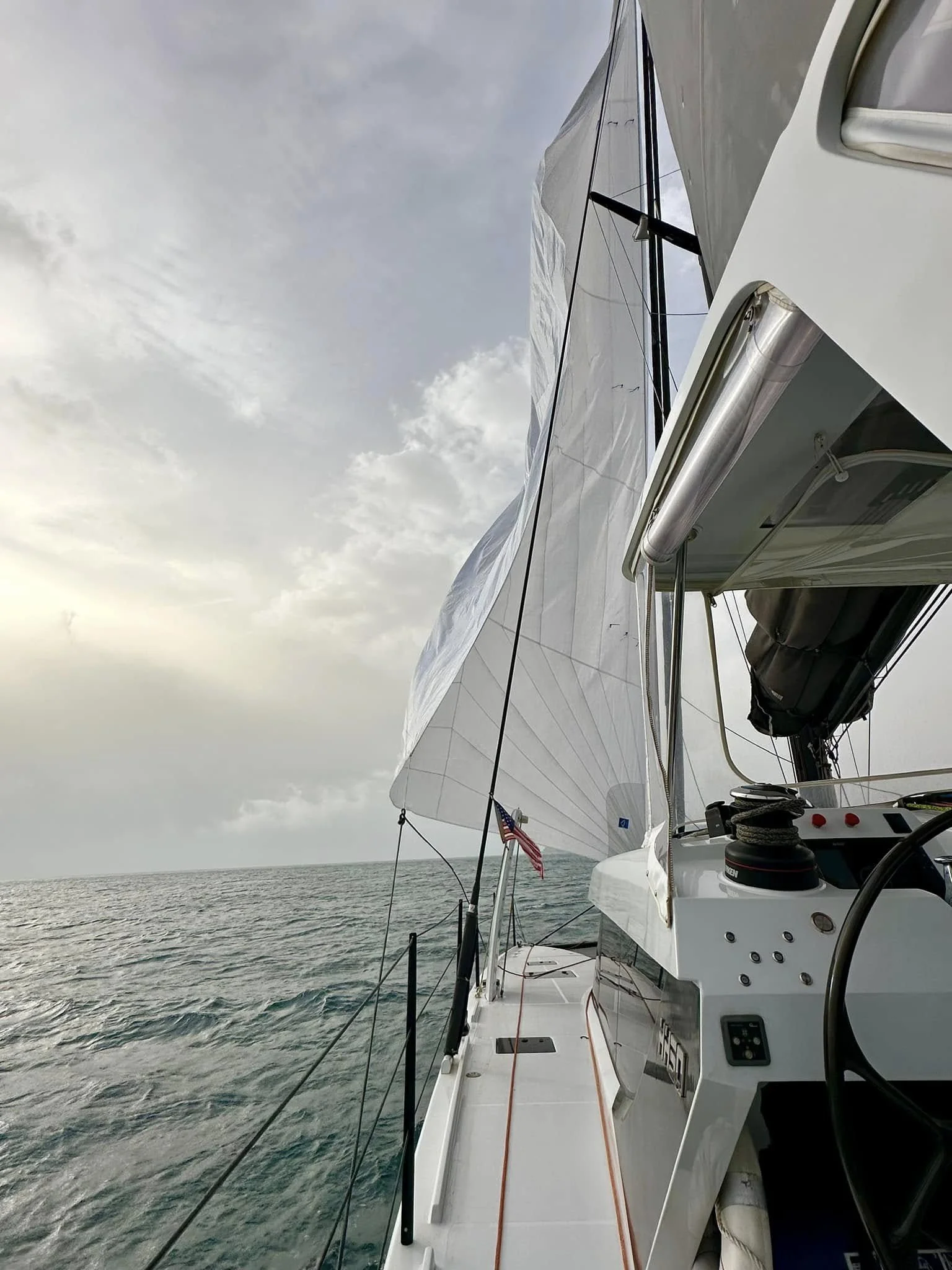
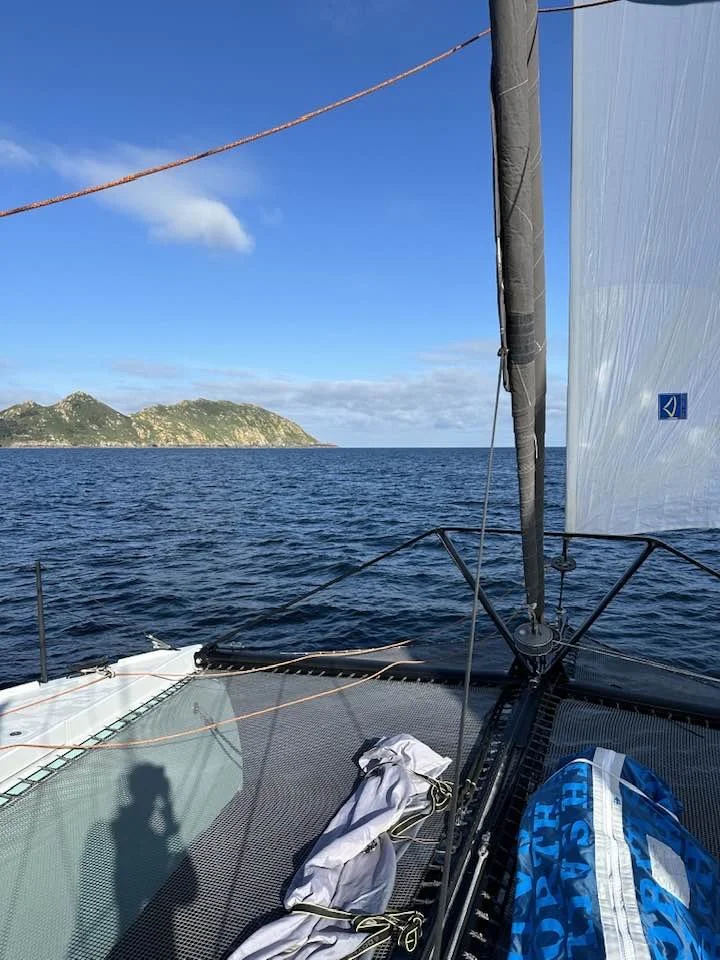
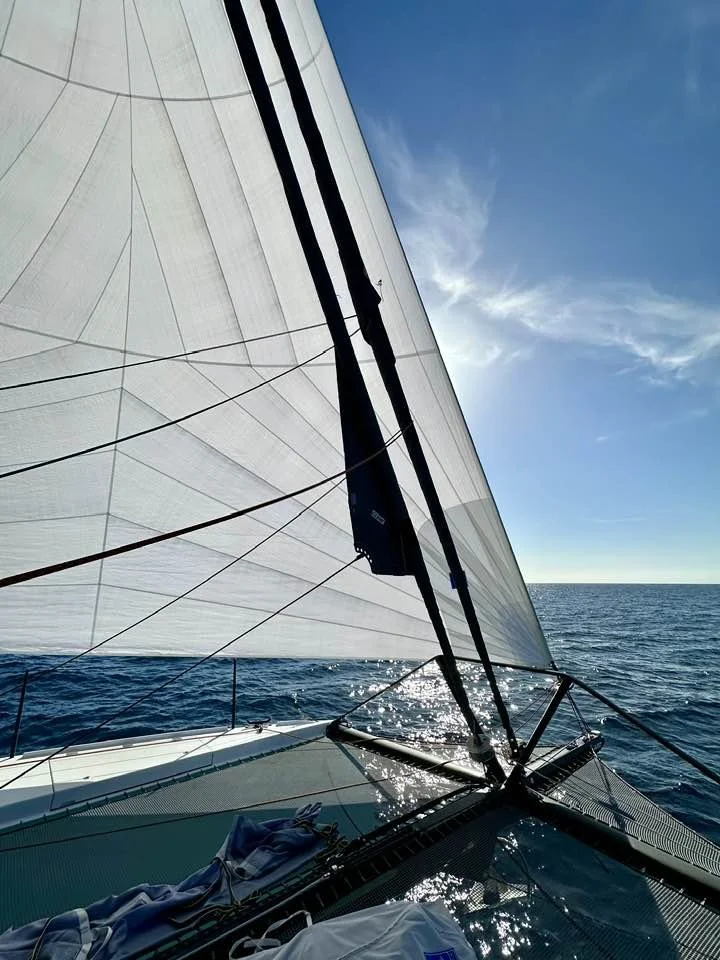
While our two years sailing here confirmed Med wind’s reputation, we are pleased to report that we were able to sail through most of our journey. Many cruisers, however, rely significantly on their engines. Was it that they had given up the fight - its easier just to motor than make a go of the generally challenging winds here? Maybe. And we had the advantage of sailing Lickety, a HH50 catamaran which falls squarely in the performance cruising catamaran category. Mind you, Lickety is not a racing boat but does perform well in light air, and is a very capable upwind vessel. In the end we motored about 10% of our 4,000 nautical miles during our 2023 season through Italy, Greece and Turkey and burned through just over a tank of diesel.
Most of the time we were able to time our trips for good wind conditions. There were, however, a number of days we motored for part or even all of our trip. It might have been because we needed to be somewhere and could not wait an additional day or two for better wind conditions. Or sometimes the wind was predicted to be uncooperative for several days and we just had to make the move. But we mostly sailed. Our sailing efficiency in challenging wind conditions certainly had a lot to do with Lickety’s capabilities but there were significant other factors which impact all boats.
Light Air
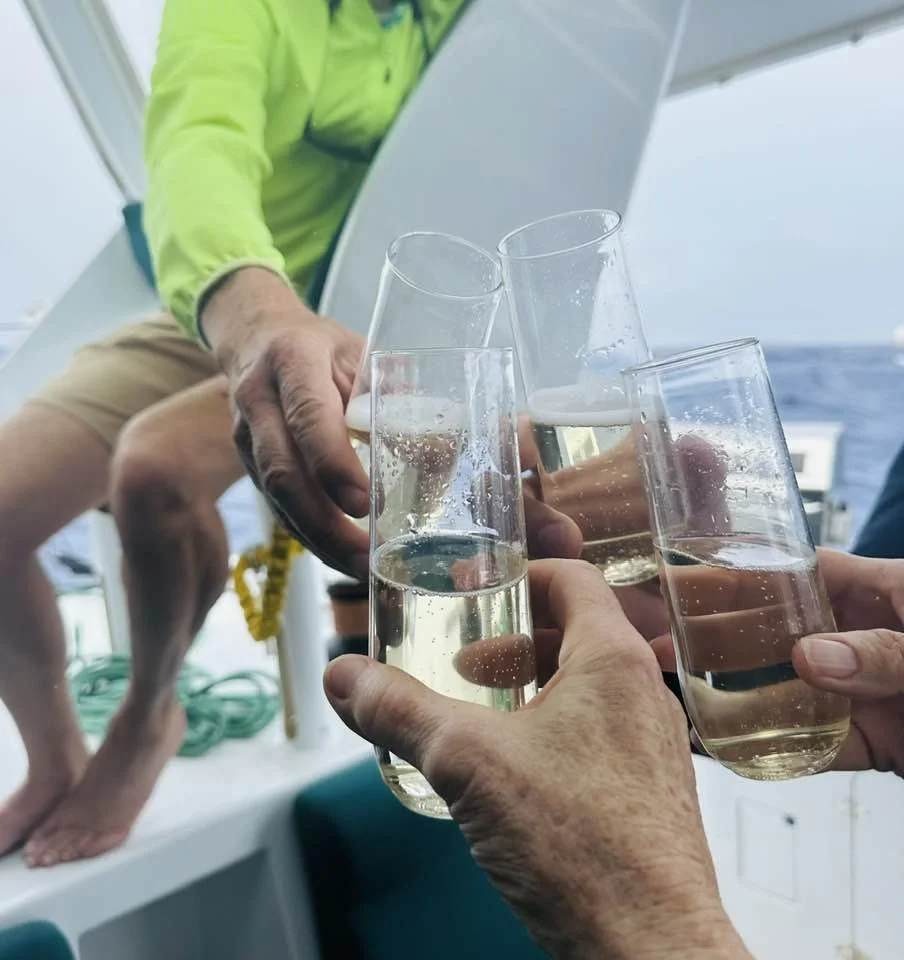
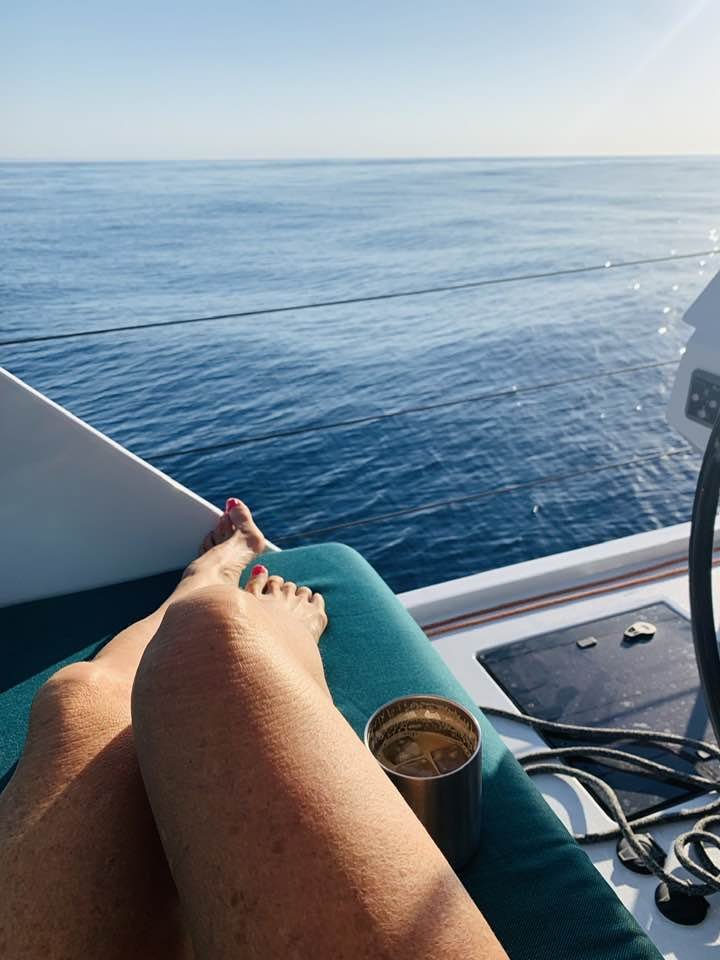
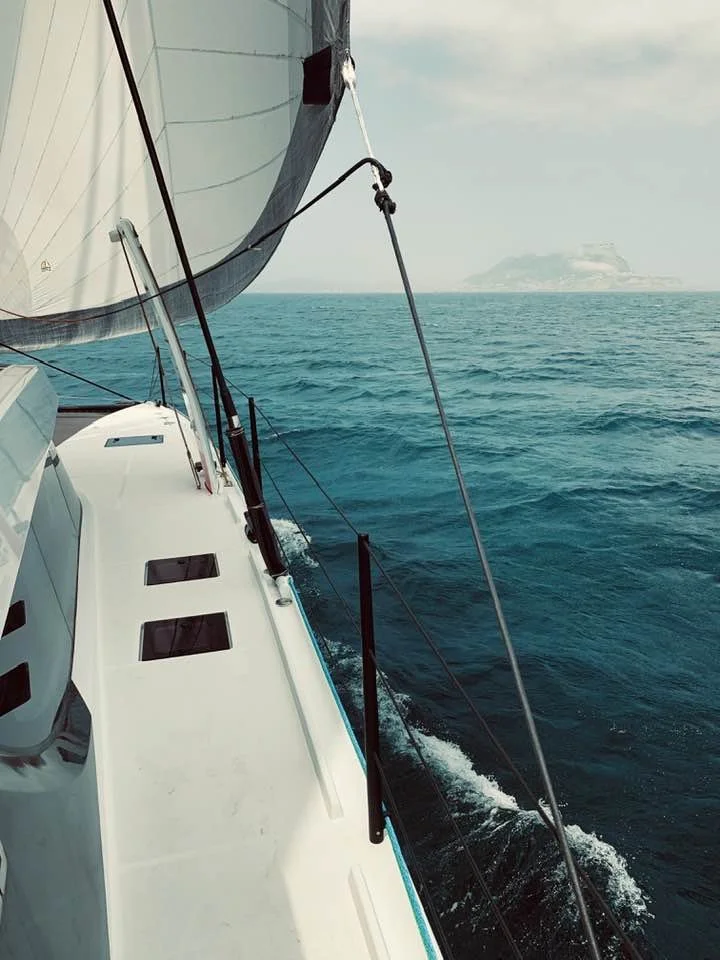
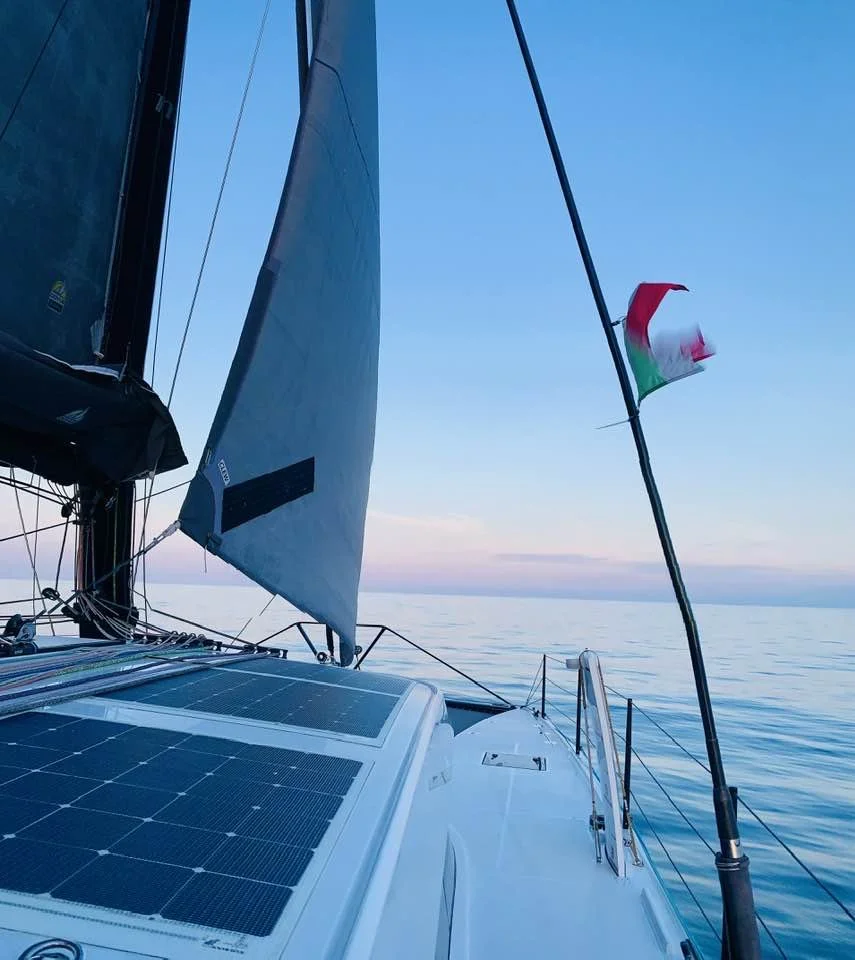
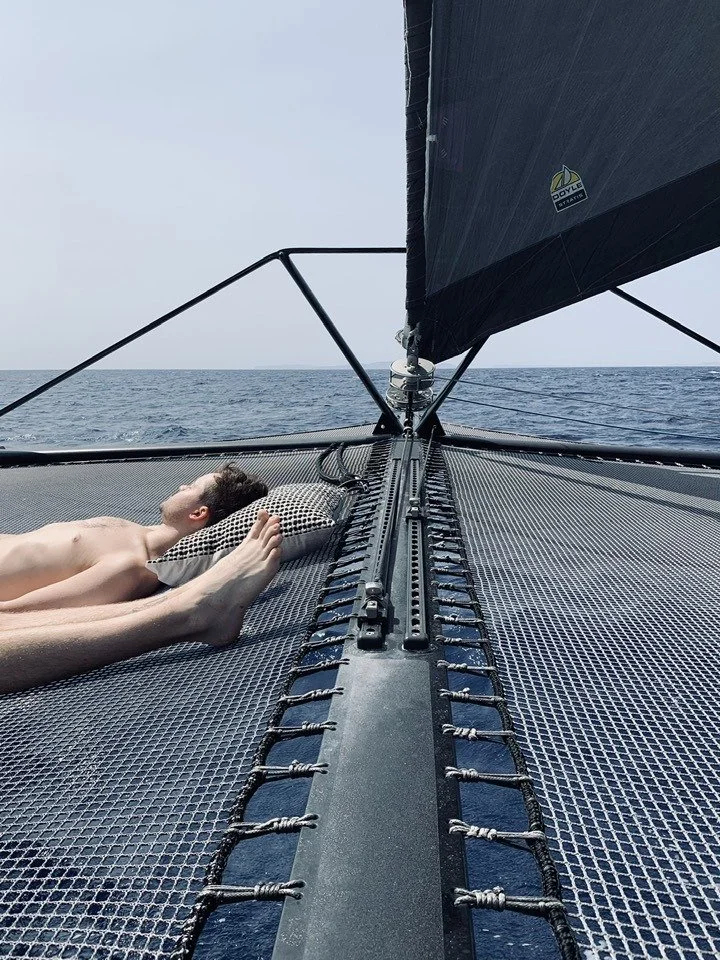
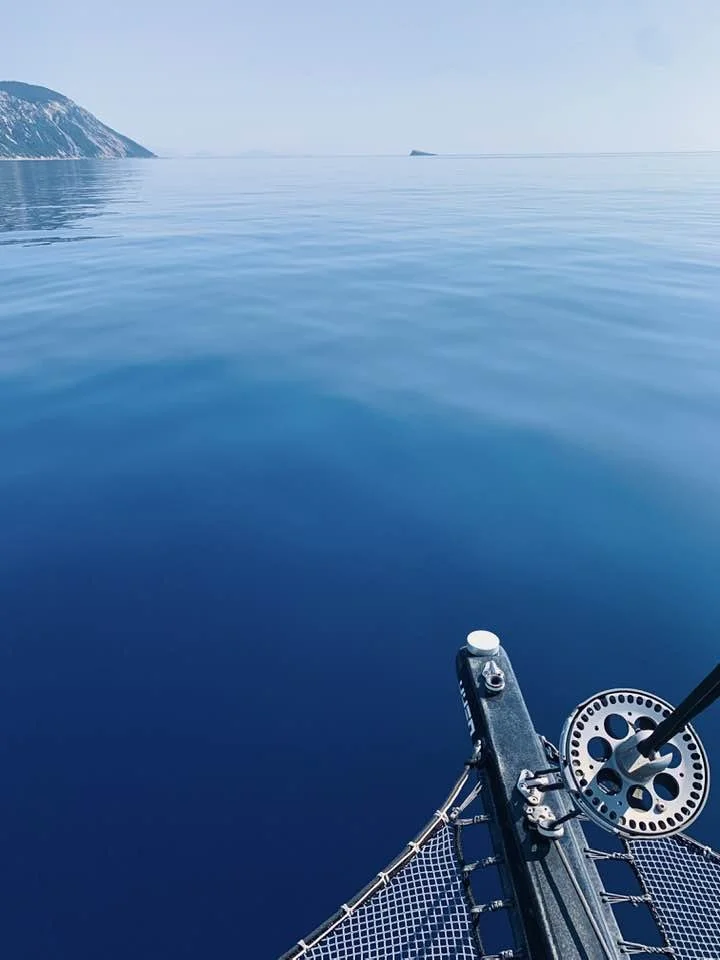
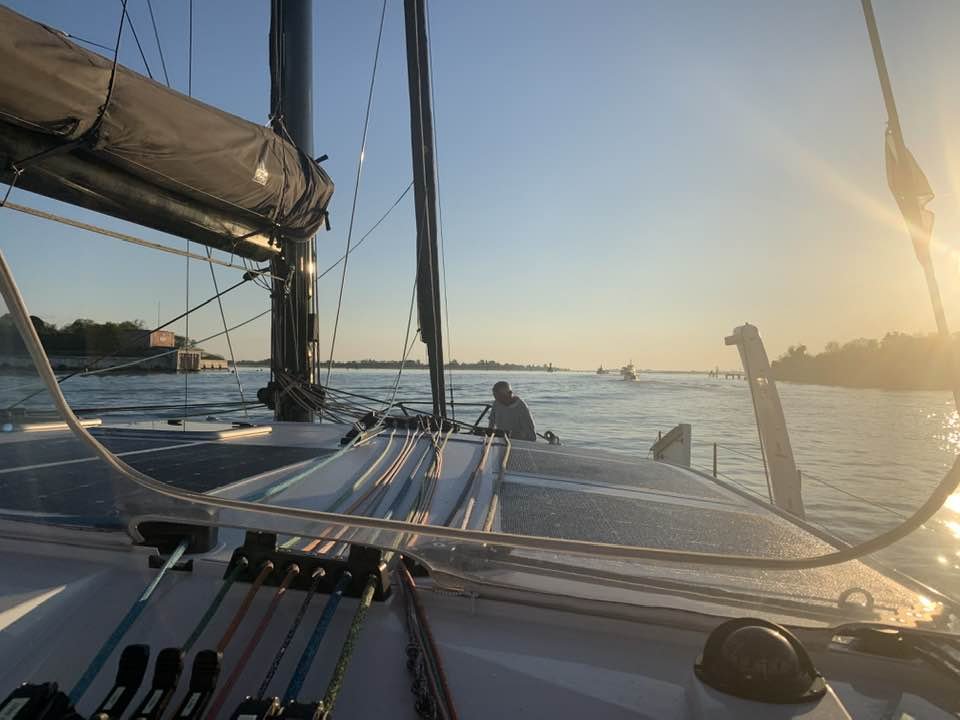
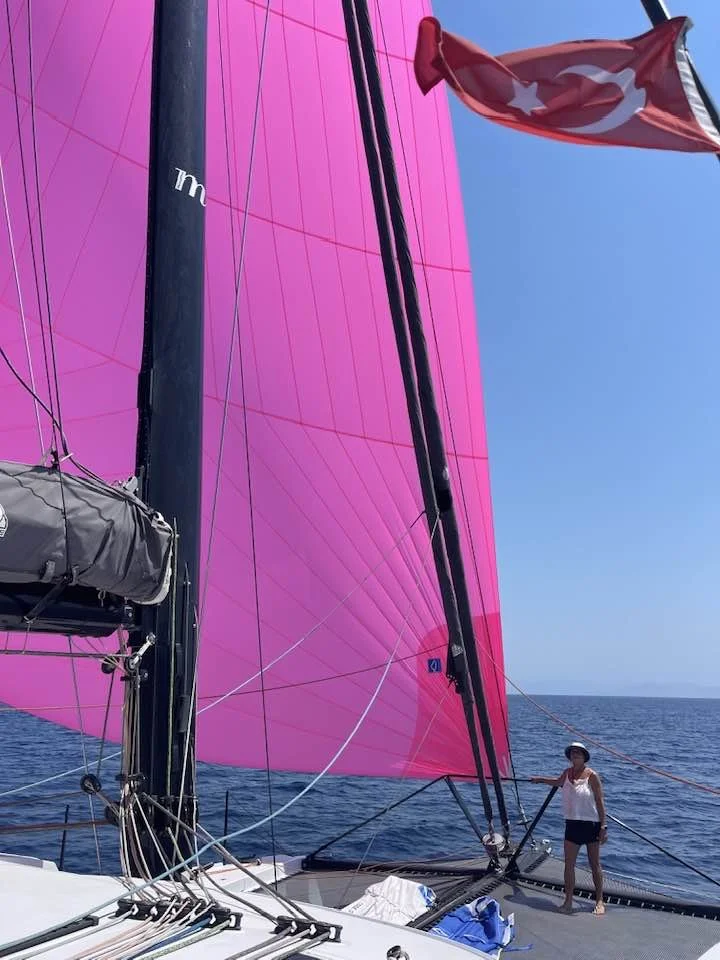
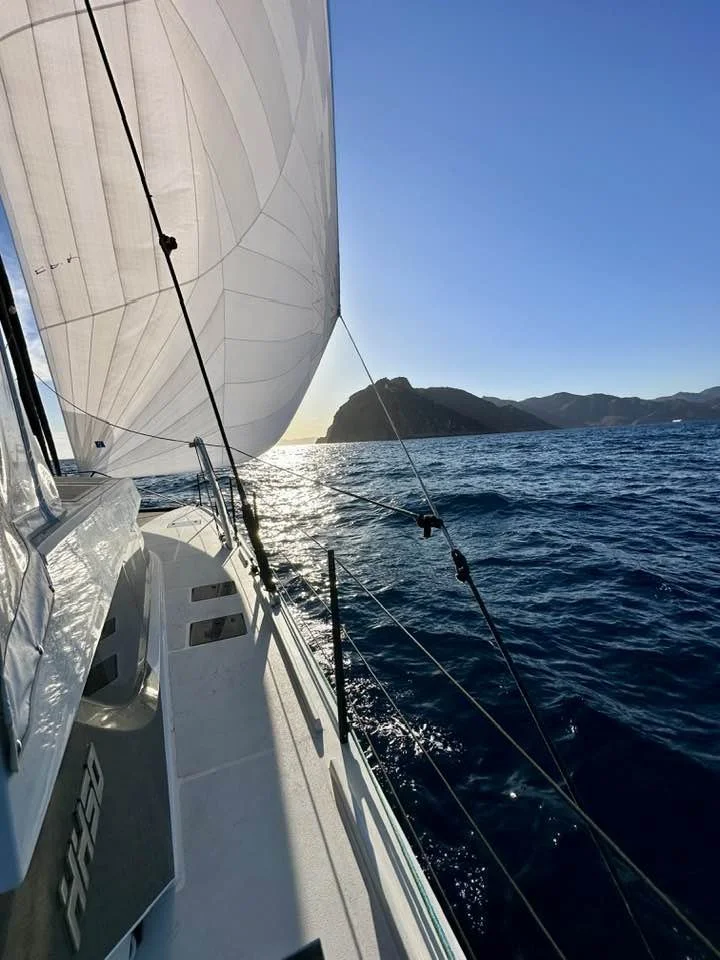
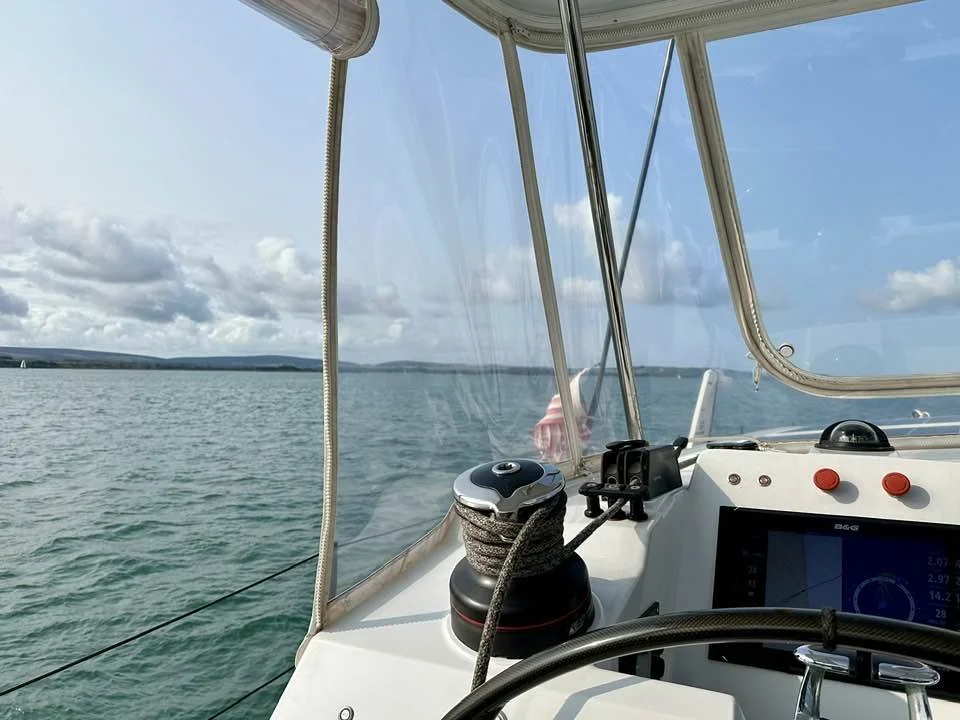
It is advantageous to be capable of sailing on some days with little wind. By way of example, we had a very pleasant 60NM sail from the eastern Peloponesis Greece to the island of Milos in July. 5 to 10 knots of wind was directly on our beam and we averaged 6 knots of boat speed. With flat seas, warm air and sun, we had a relaxing champaign sail to the island.
Downwind
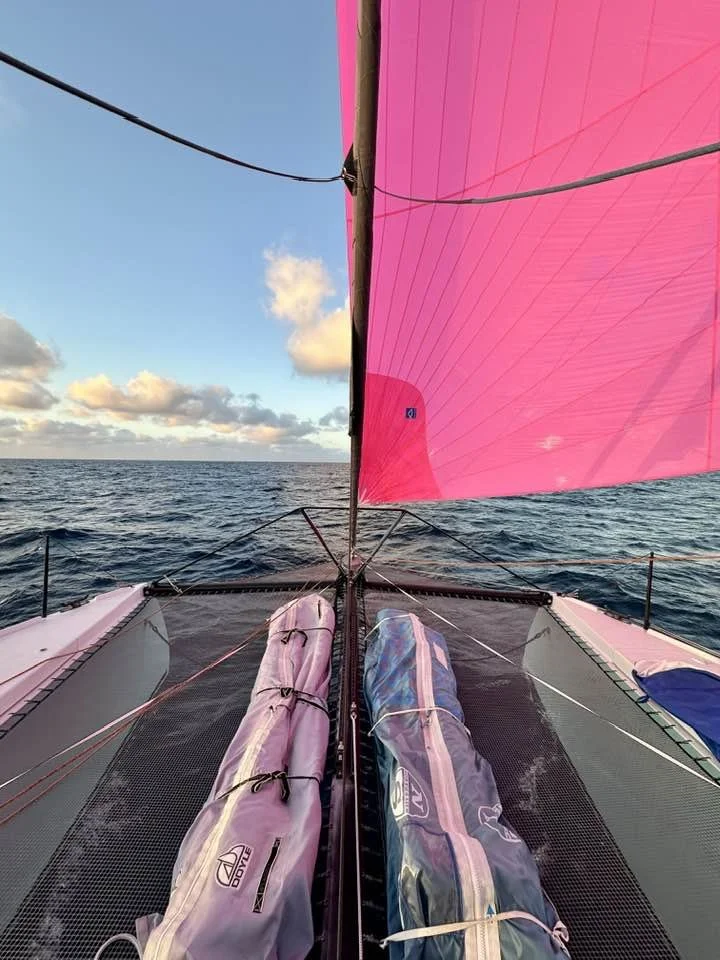
Downwind capability is helpful. But, we are the first to admit that Lickety does not do well with wind from behind. Catamaran’s have this reputation and we are lucky to sail at half wind speed downwind. Winds would have to be at least 10 knots from behind us for acceptable downwind speed. Our alternative is to sail at 135 degrees and jibe if our destination is straight downwind..
Upwind
Now, I think we can all agree that upwind sailing into the seas is not a preferred modus operandi. But you won’t get very far if you limit your sailing to ideal weather windows. Also, sometimes the prevailing winds are from where you are going. Sometimes you are going to sail upwind.
Generally catamarans have the reputation as poor upwind boats. Performance Cats are quite the opposite. They can point higher than many production monohulls. This, combined with performance cats faster speeds, means they get to their upwind destinations notably sooner.
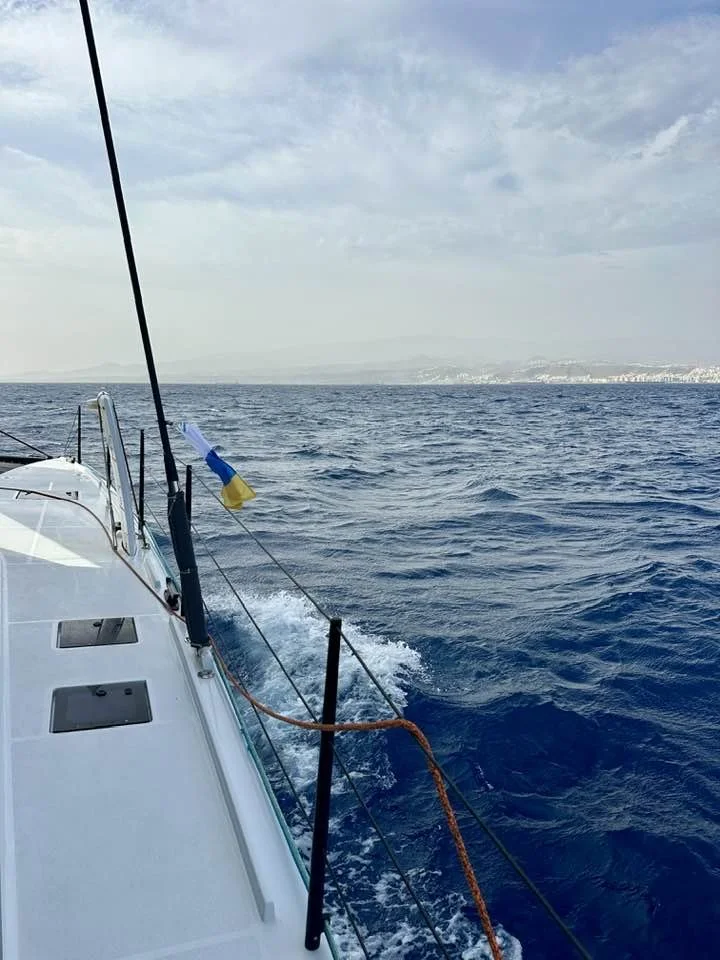
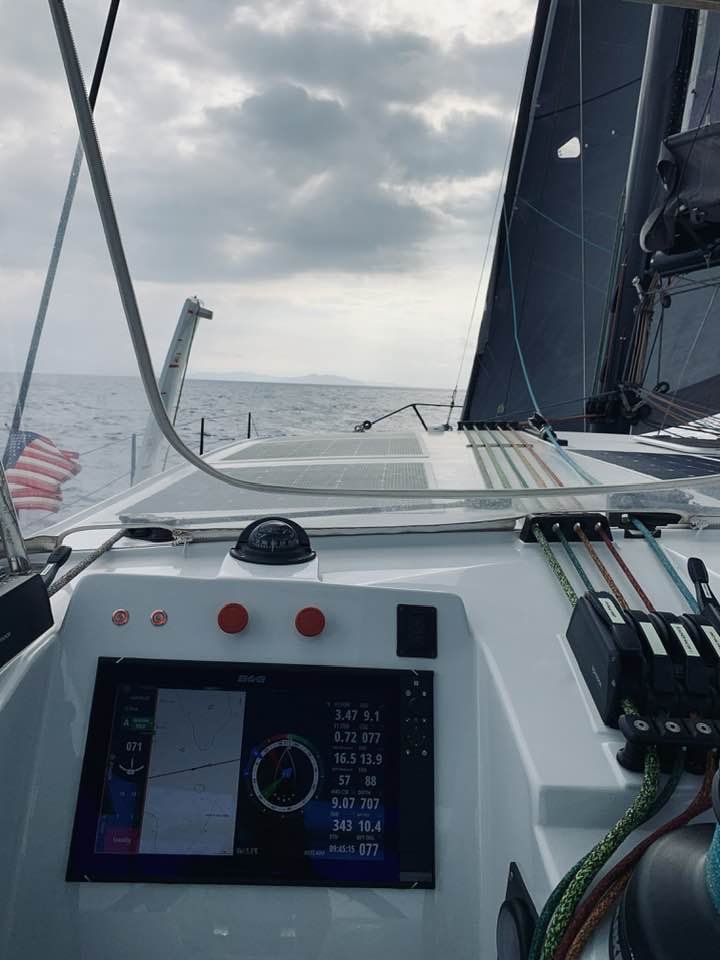
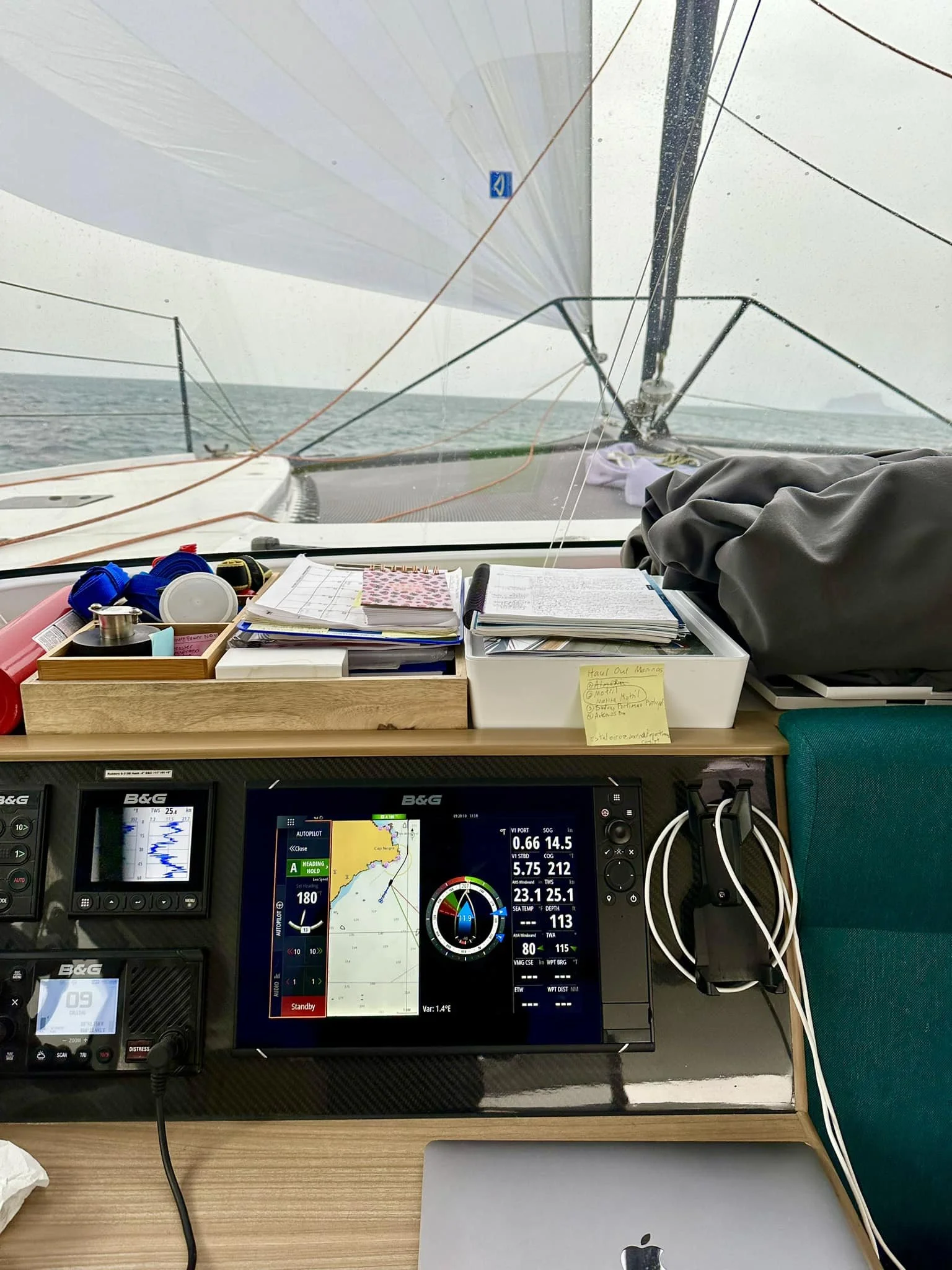
Lickety points quite high: up to 26 degrees of apparent wind. That is tight, and we have found that 32 degrees to apparent is idea where the boat can track at about 70% of wind speed up to about 13 knots of true wind. After this the percent of wind speed drops mostly because Lickety has to fight her way through the oncoming seas.
Sailing upwind pushes the apparent wind forward. In the end our 32 degrees to apparent wind typically translates to 45 degrees of true wind which means we are tacking at 90 degrees. Right angle math tells us that this means we are traveling 10 miles to get 7 miles towards our destinations - our Velocity Made Good, “VMG”. For example, if boat speed is 10 knots and we are tacking at 90 degrees, the VMG is 7 knots.
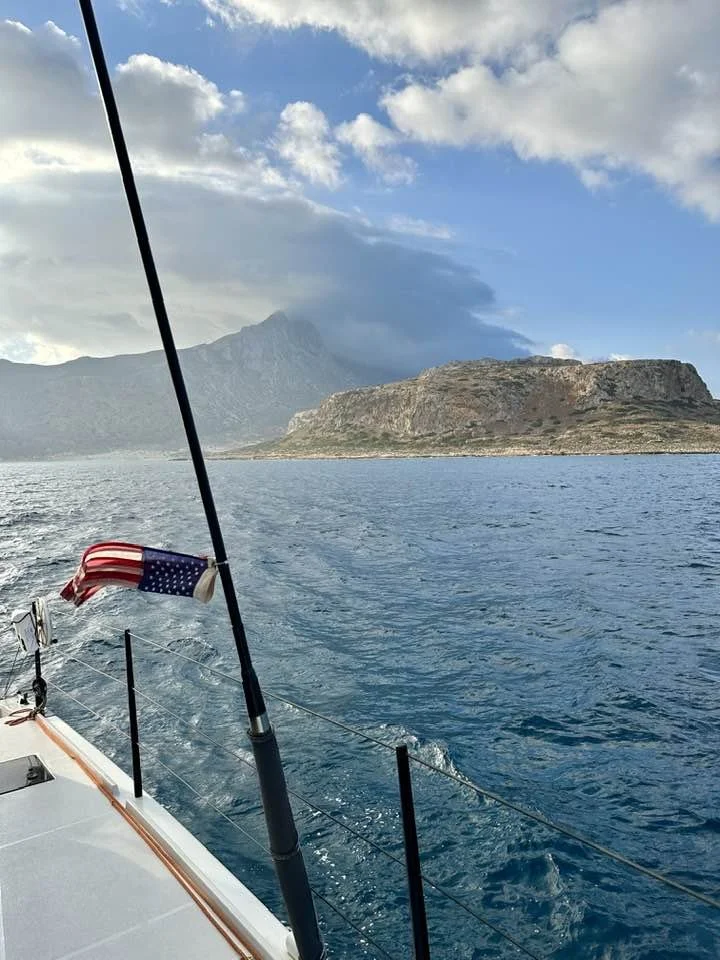
We had a few upwind sailing experiences. In particular, we realized that we would face upwind conditions when we elected to sail west along the north coast of Crete. There weren’t any better options, though, as we were heading west to Sicily. Fortunately we only a couple of of upwind sailing days. We were able to time our moves for better conditions on all other occasions. And Lickety handled the upwind jumps quite admirably. We were able to plan our route to limit our turns to include only one tack, sailing off shore and then tacking into to our destination. As expected, as we made our way further west along Crete the winds became more northerly enabling us have some pleasant beam reaches.
Plan Your Cruising Route: Prevailing Winds:
Like most everywhere, there are prevailing winds in the Med. The difference is that they are more localized than in many other parts of the world. Probably most notable is the Meltemi Winds which blow strongly from the north/northeast from Turkey over the Greek Islands and are especially strong in the summer. Newsflash: don’t plan your season’s route heading into prevailing winds unless there aren’t other good options. We successfully toured many of the Greek isles and avoided the strong Meltemis by sailing north and south where the Meltemi was not prevalent and then traveling east or west during windows when the Meltemi had abated.
Mediterranean Cruise Experience
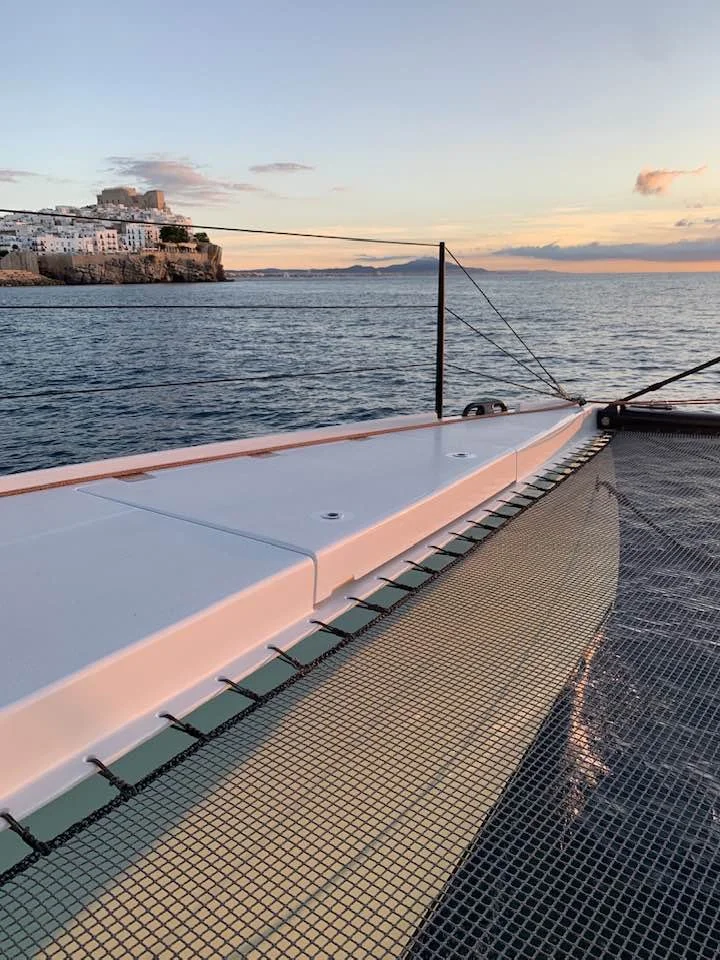
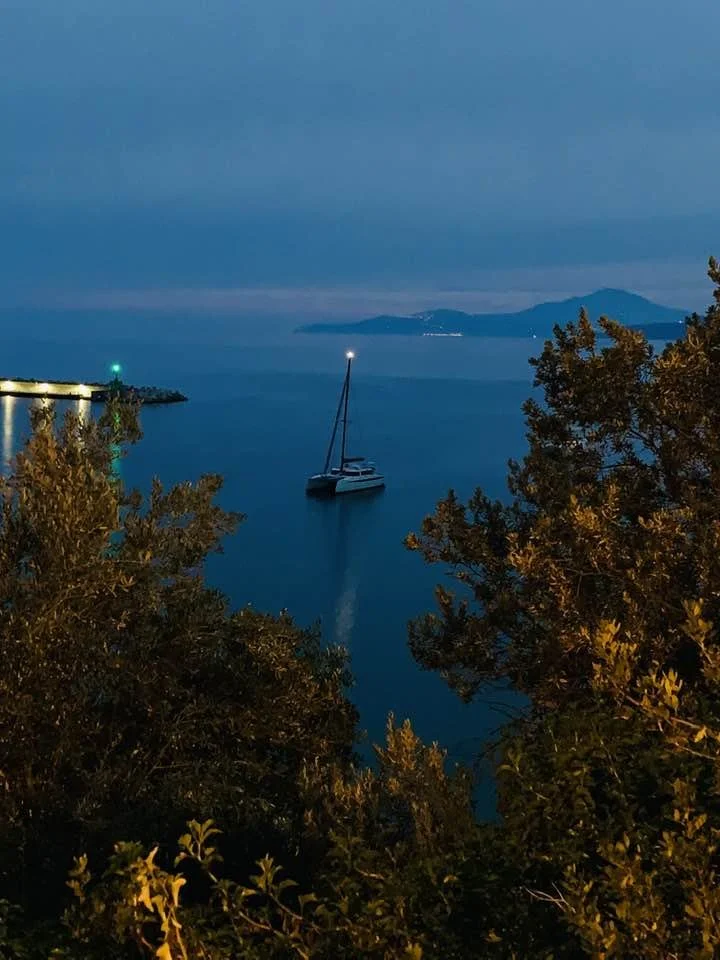
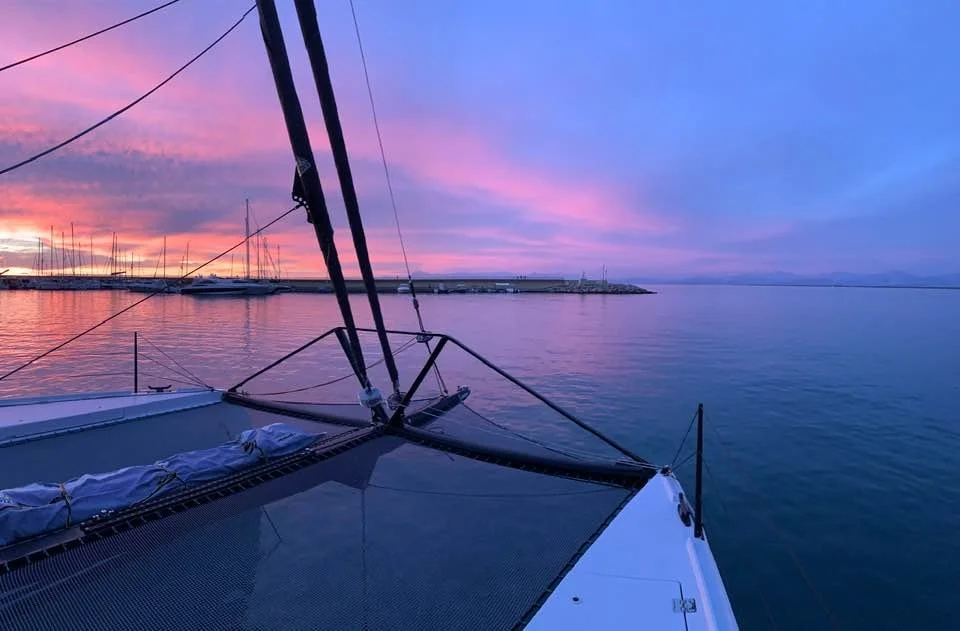
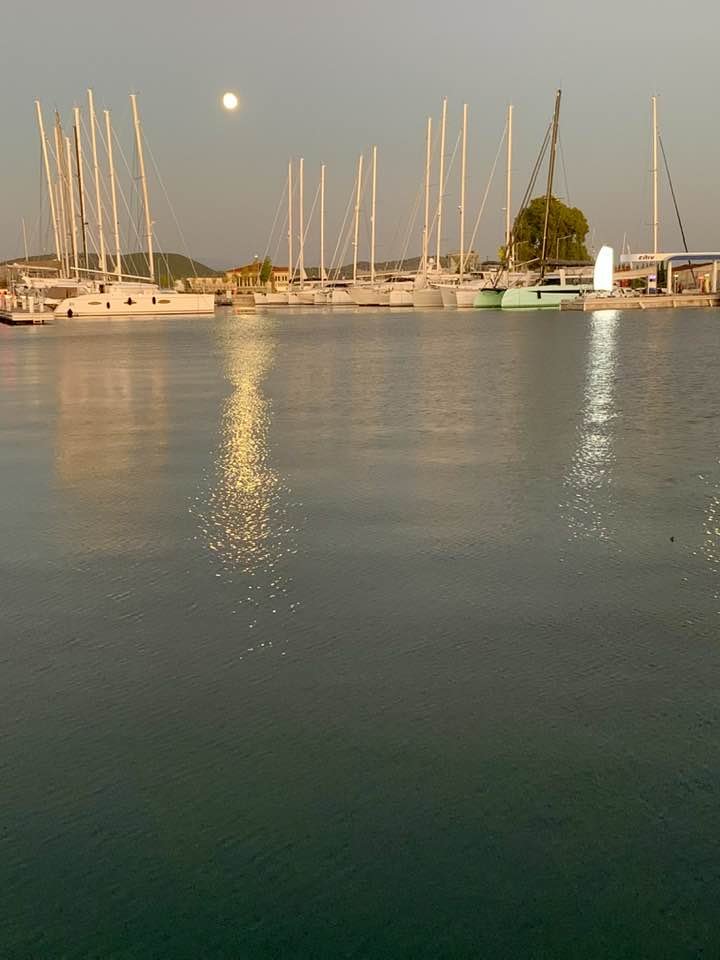
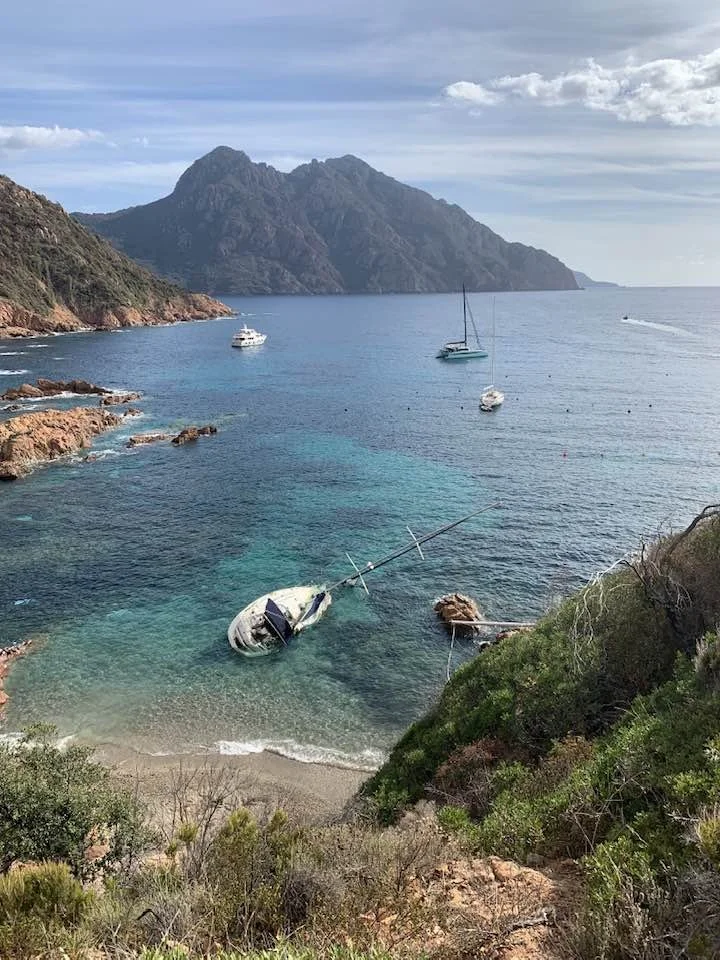
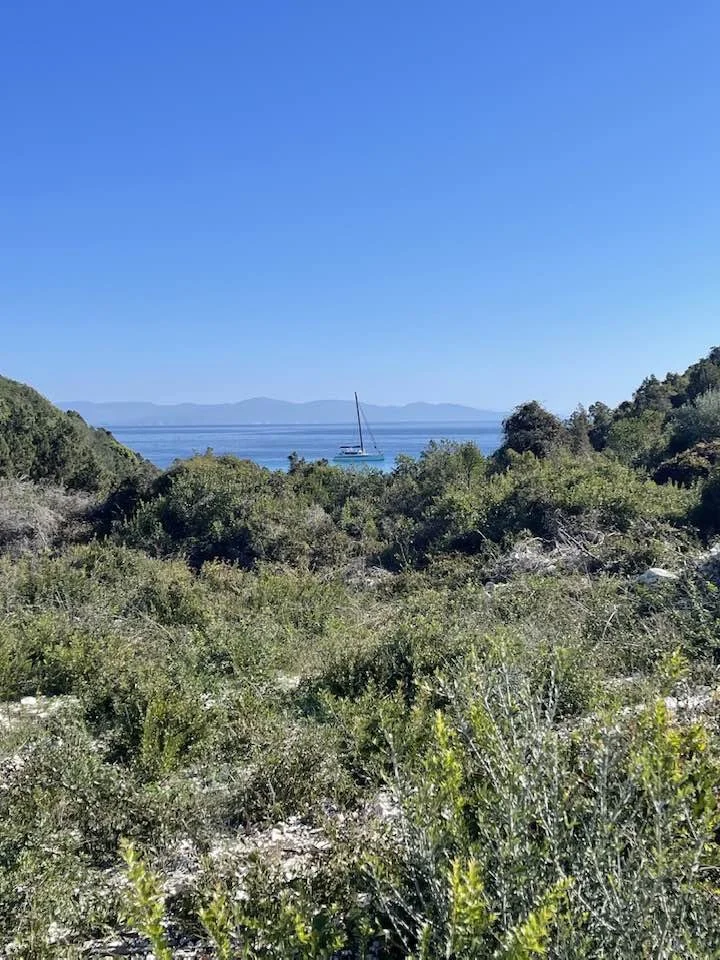
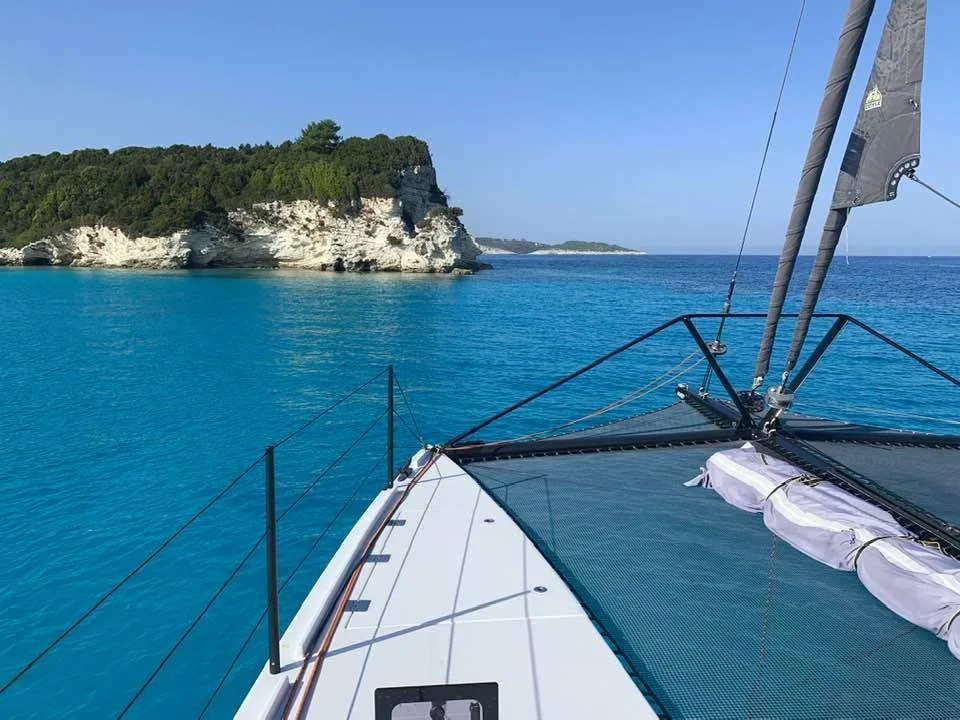
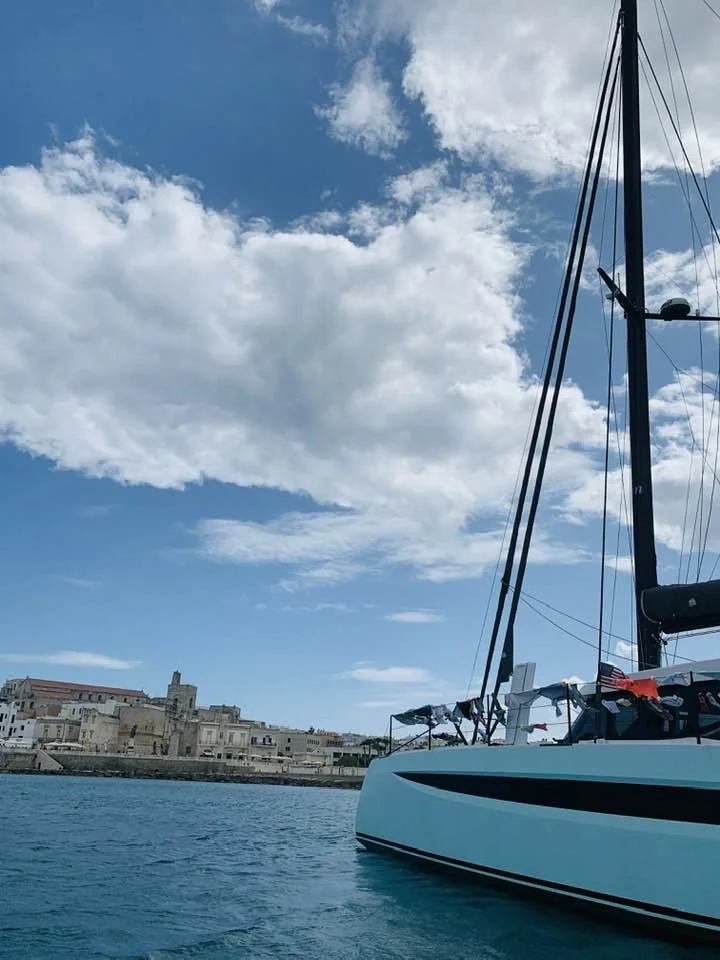
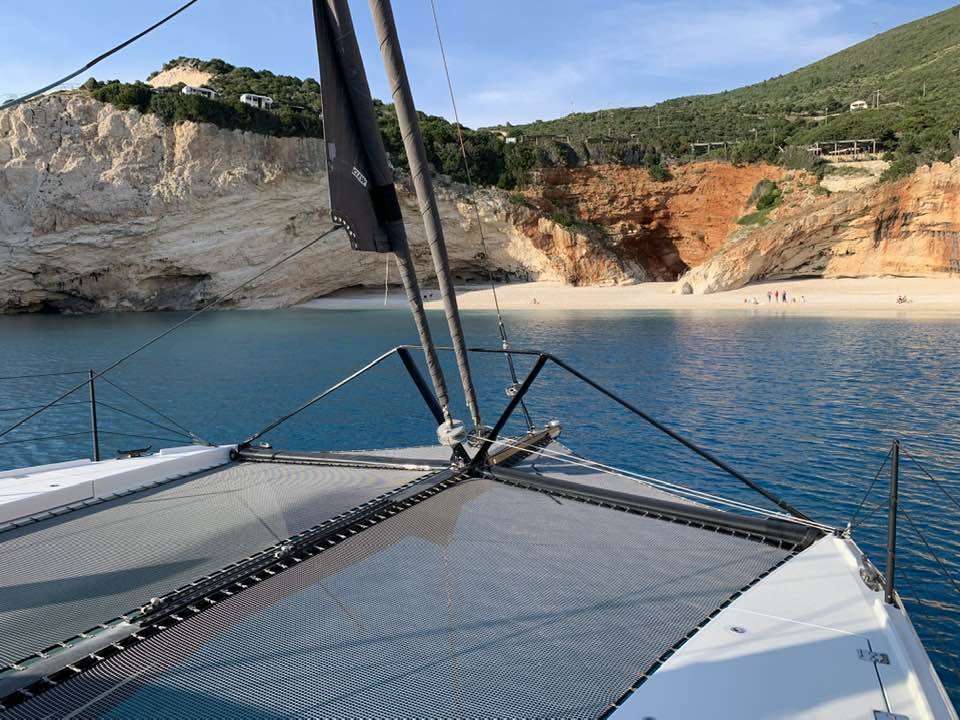
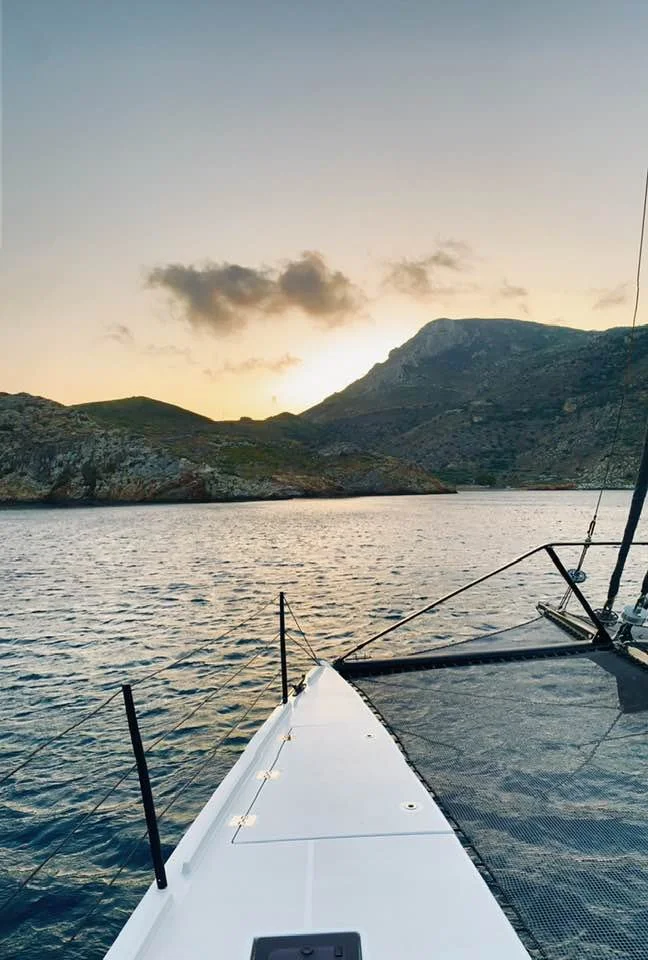
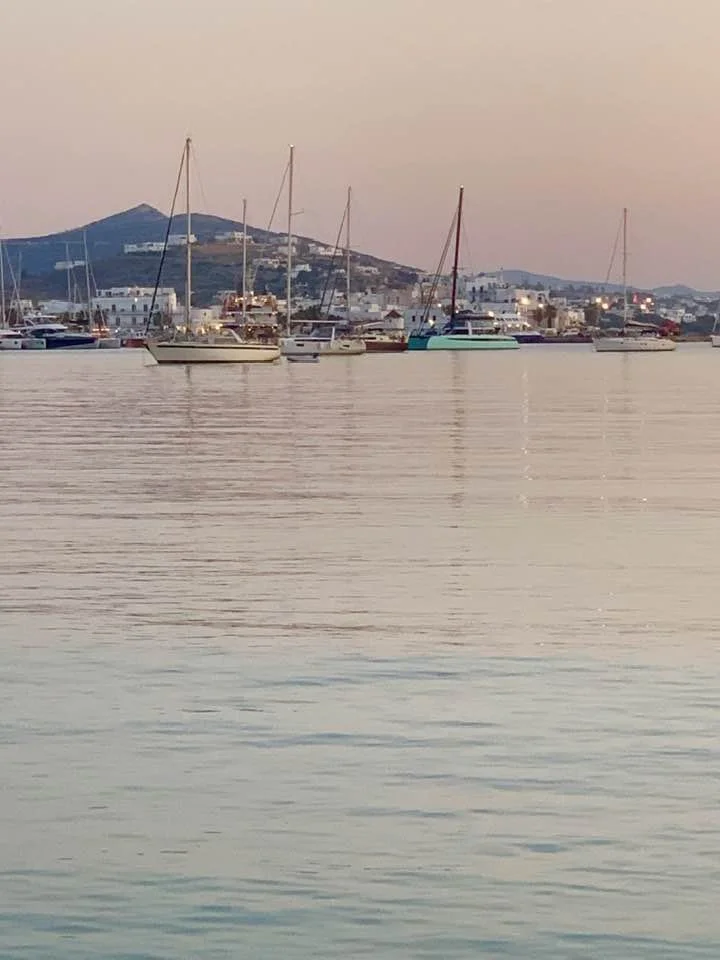
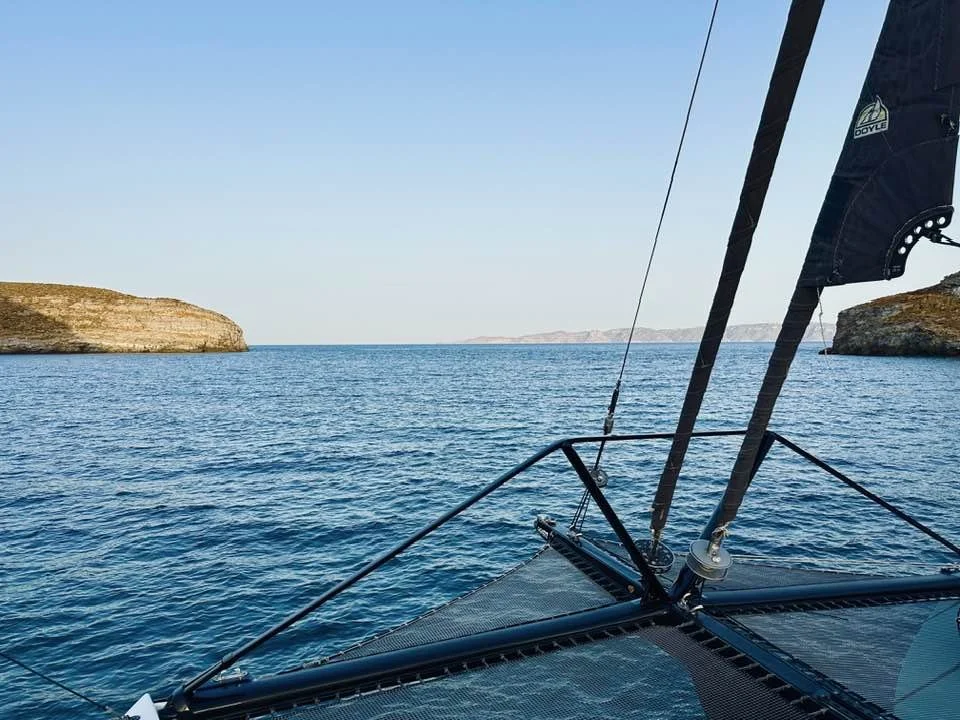
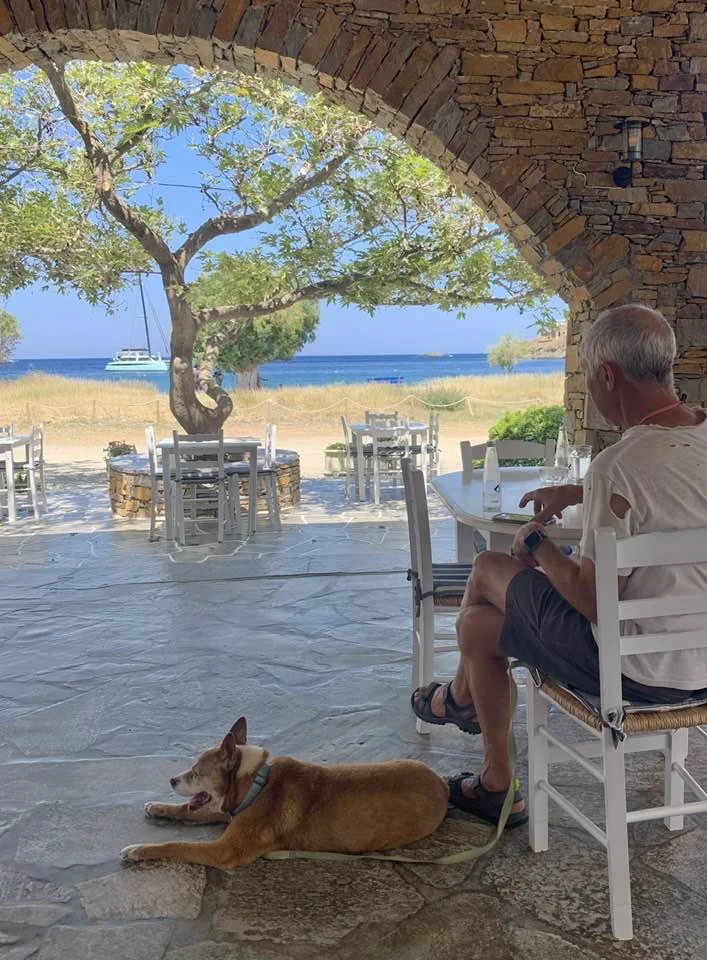
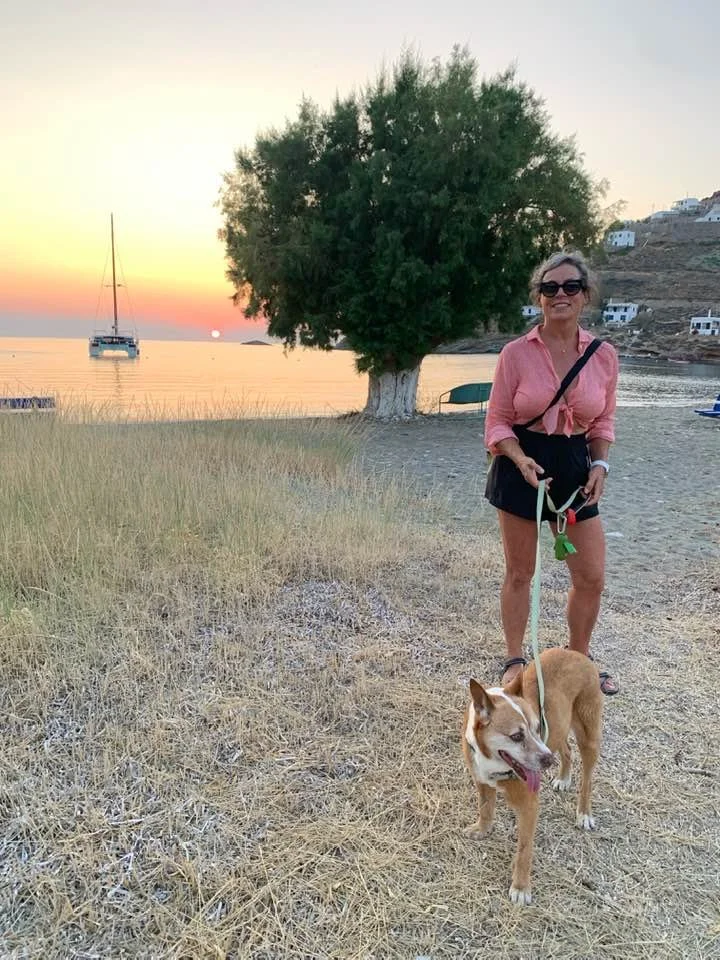
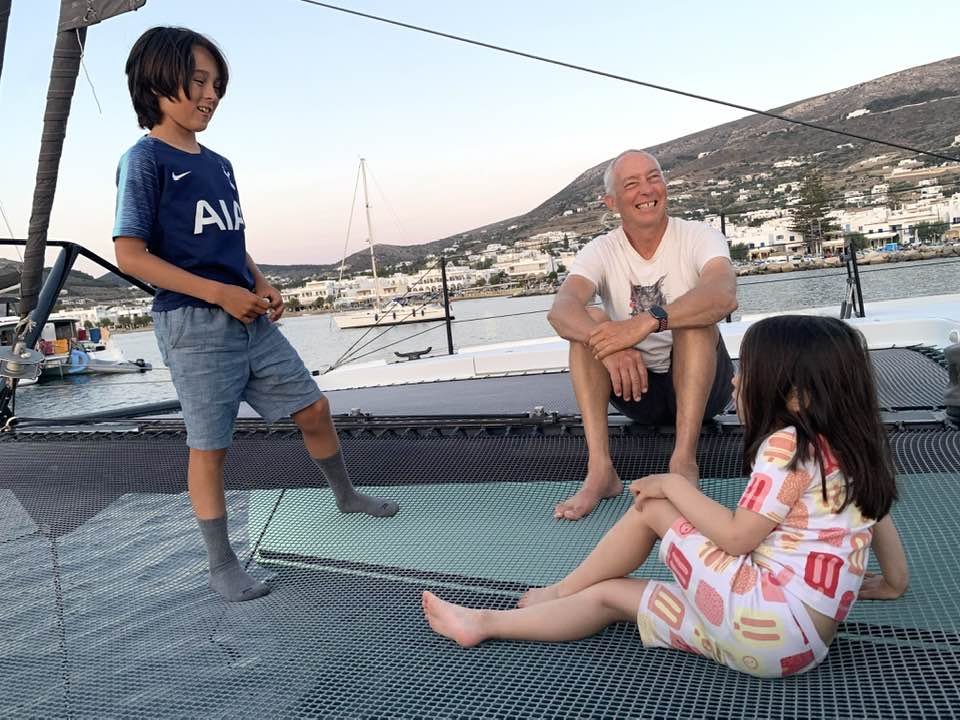
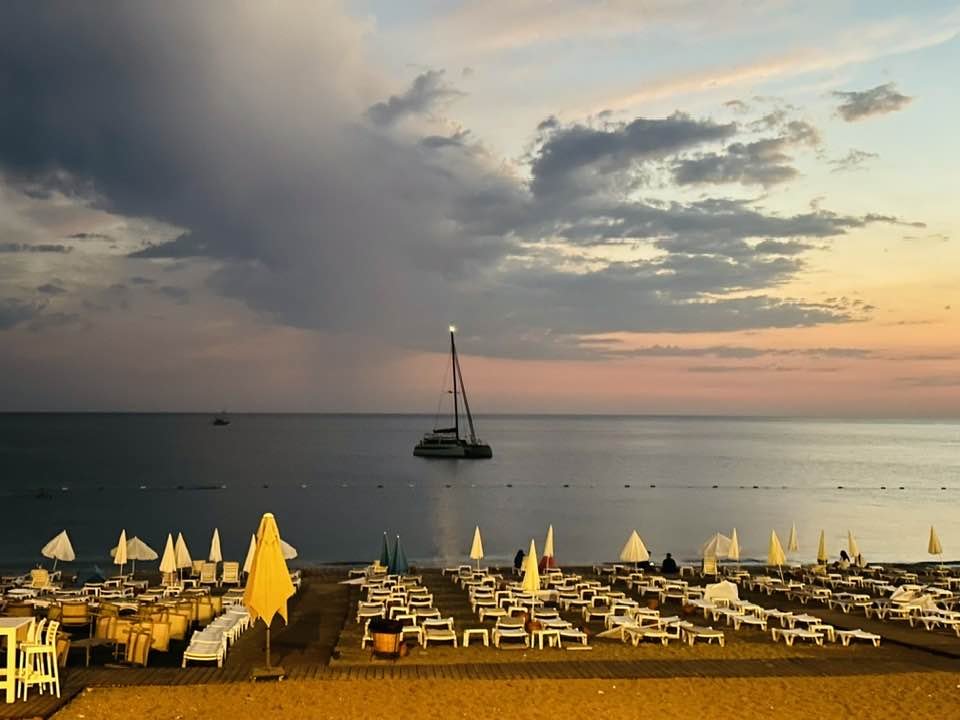
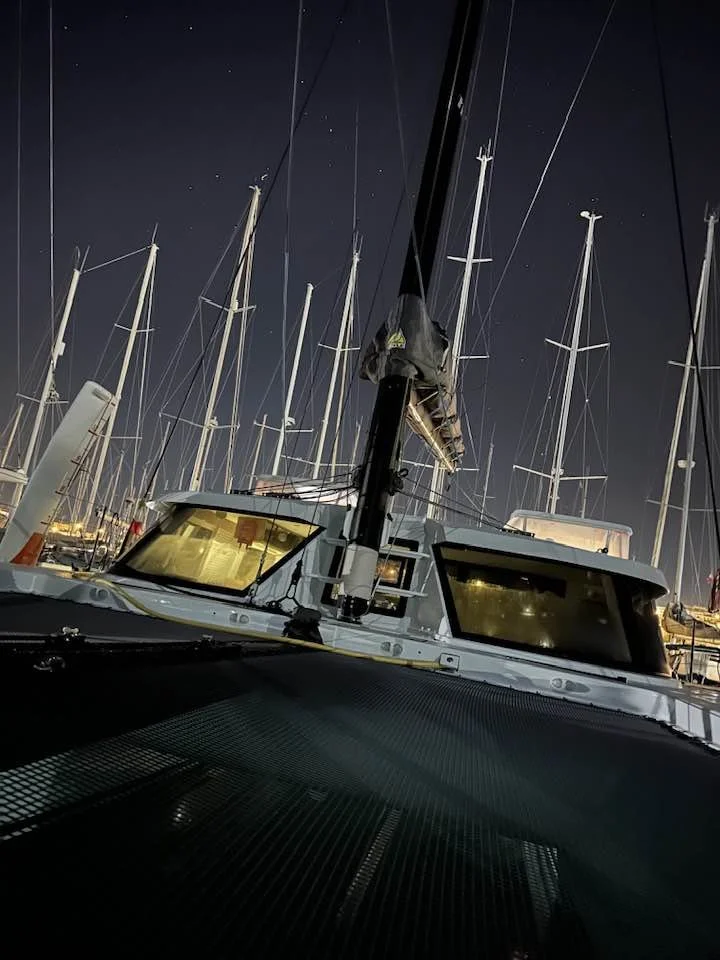
We spent two years in the Mediterranean. You could easily spend five or more. Some never leave! There is so much to see as the Med is over 3,000 nautical miles long - further than crossing the Atlantic. The coast meanders along this length and a multitude of islands freckle the sea. There are plenty of beautiful protected anchorages and many reasonable priced marinas. In high season, however, you need to be cautious about going to popular locations as even if you get a good anchoring spot, it can get difficult with other boats close by or crowding when they arrive later.
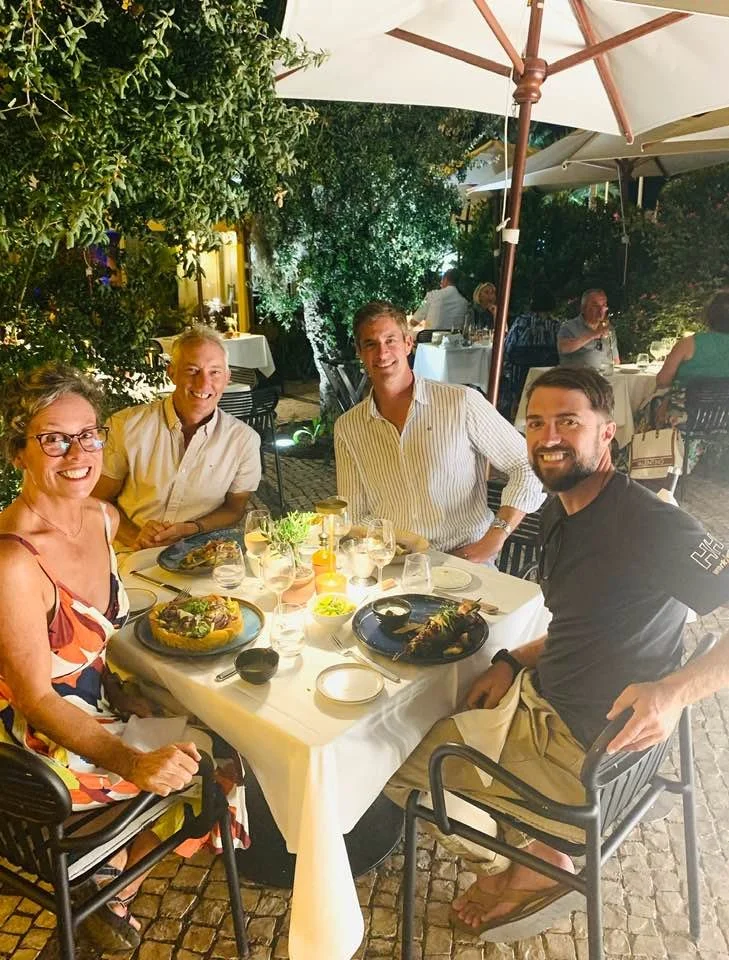
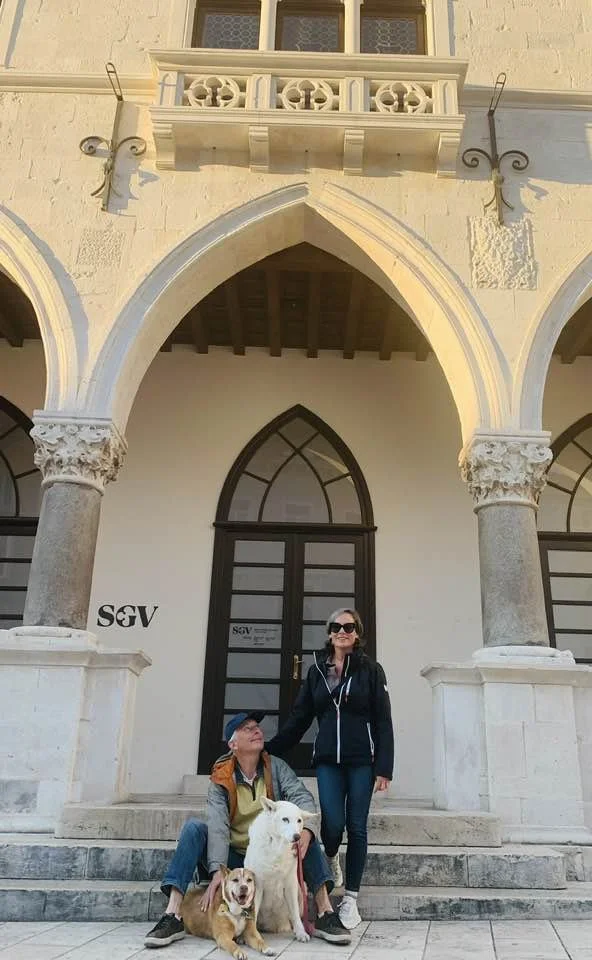
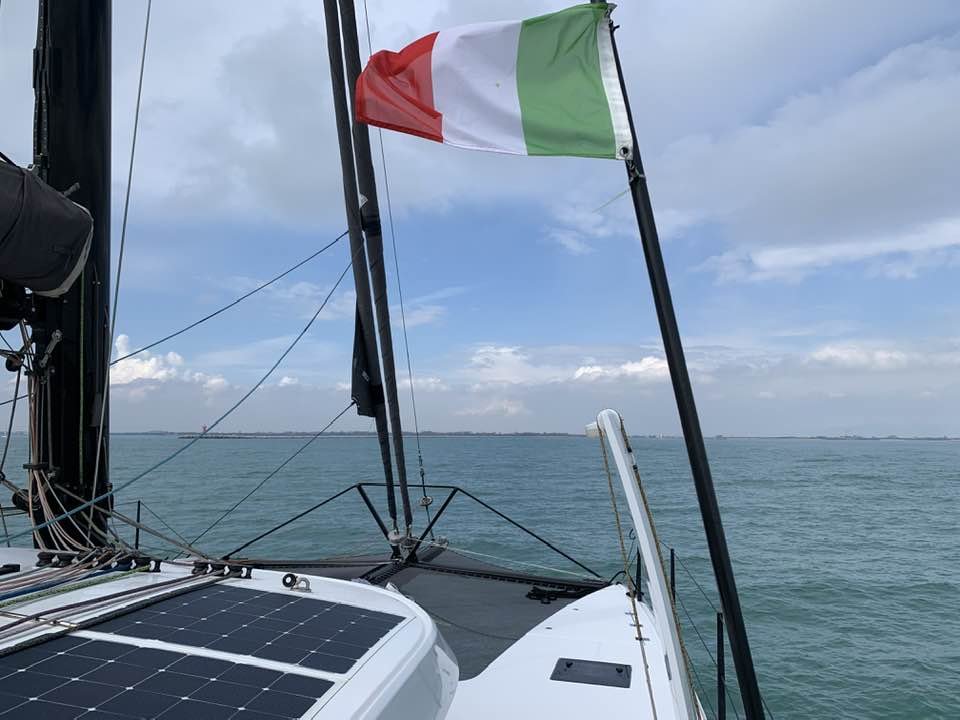
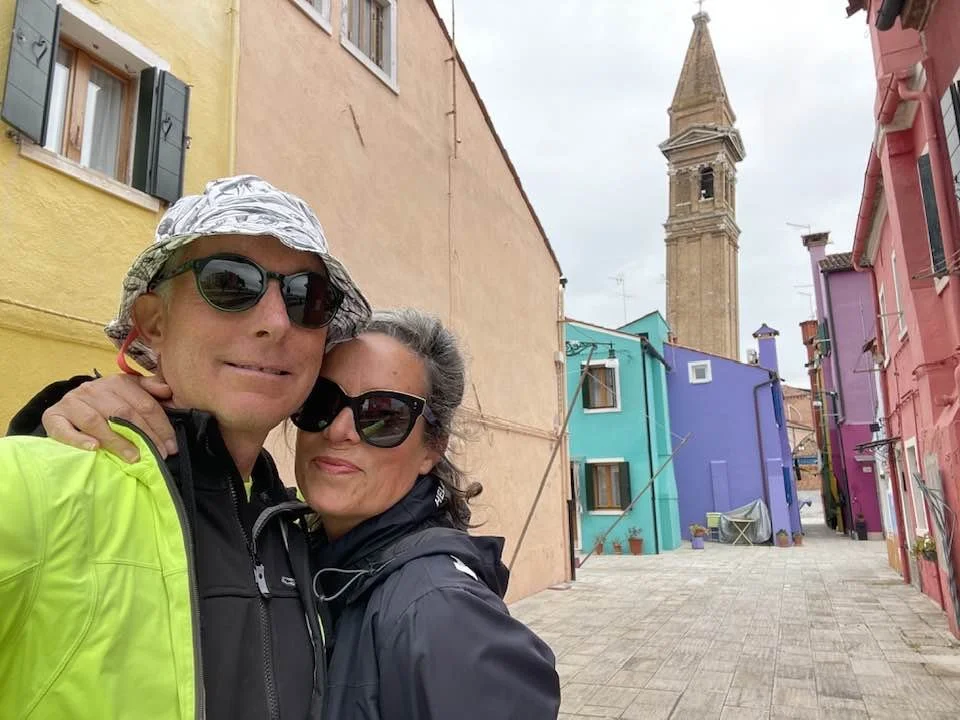
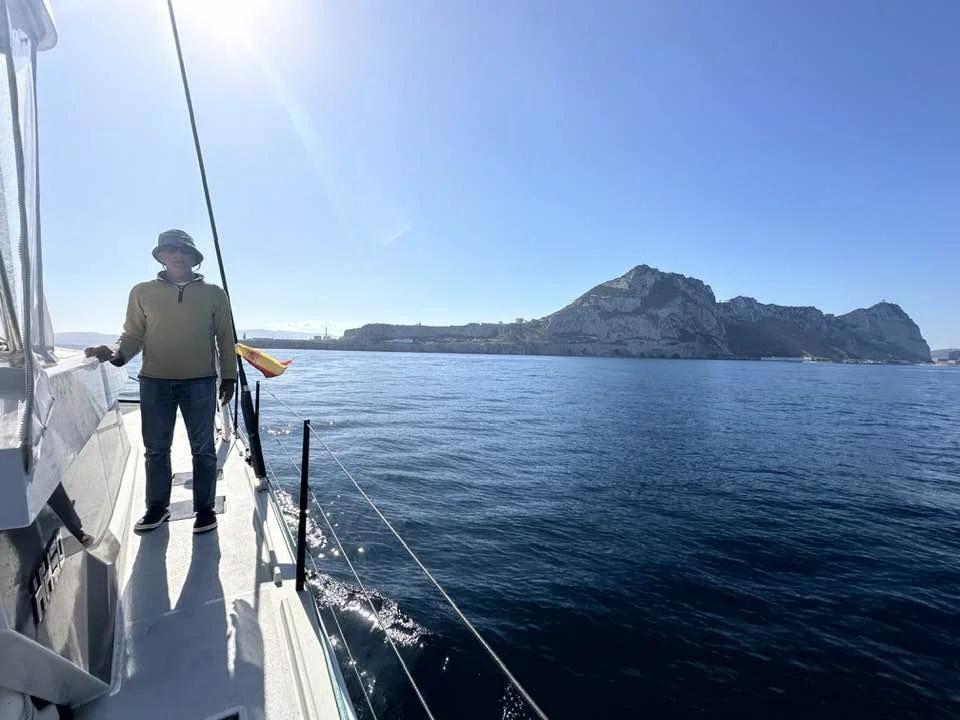
We spent time in many countries including Portugal, Spain, Gibraltar, Morocco, France, Italy, Greece, Turkey, Albania, and Montenegro. And while it is helpful to speak other languages, most people in the places we stopped spoke English. And generally the population and the other cruisers are very helpful and friendly.
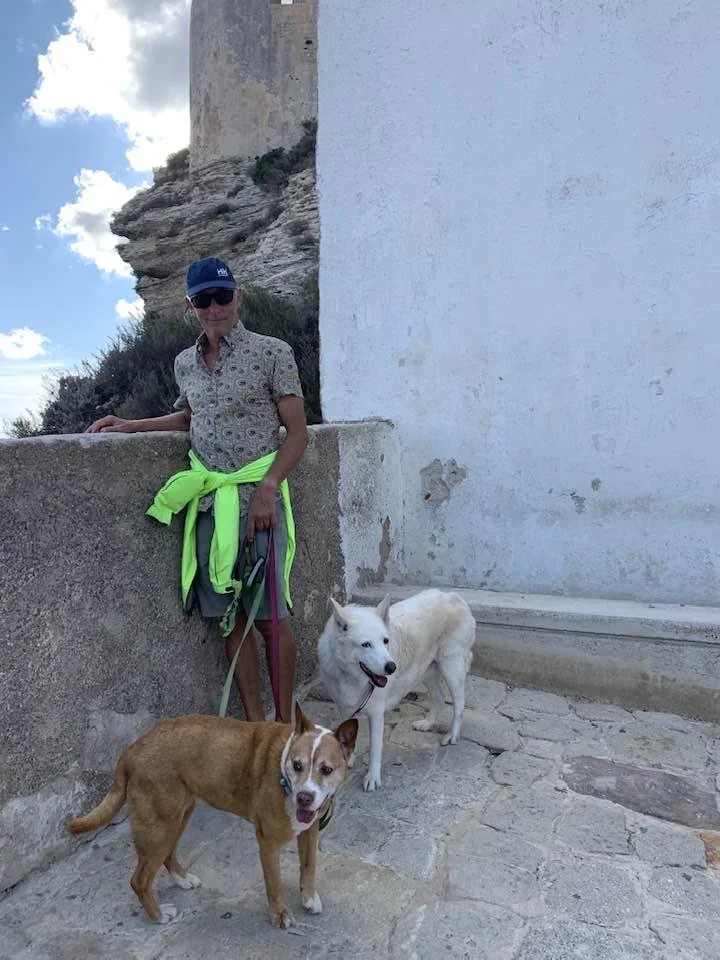
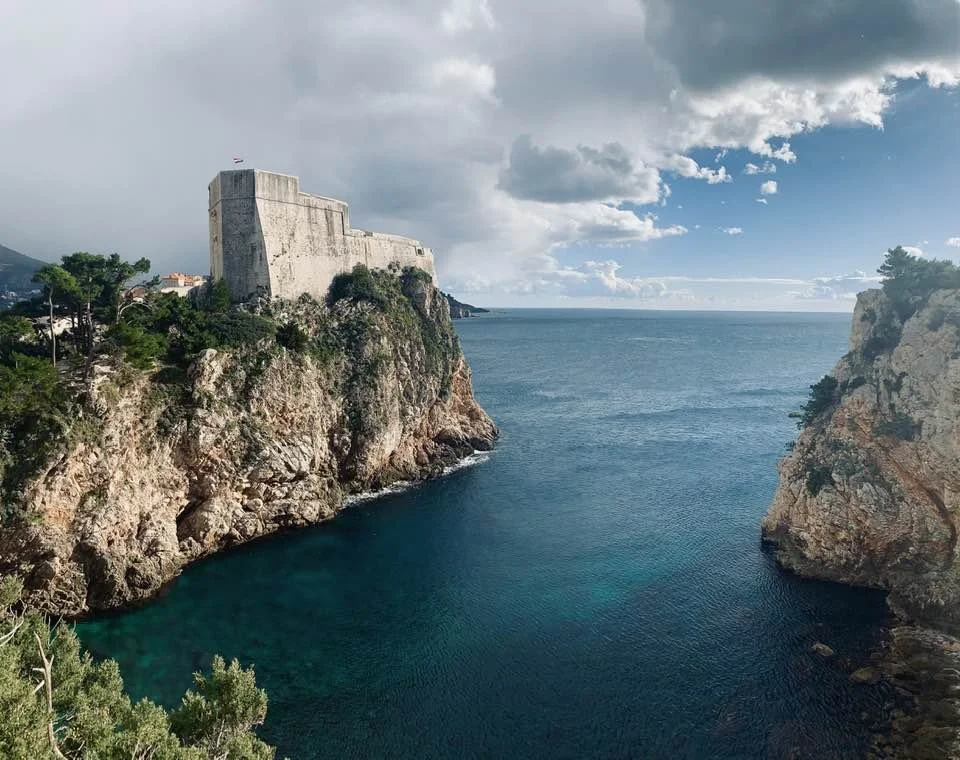
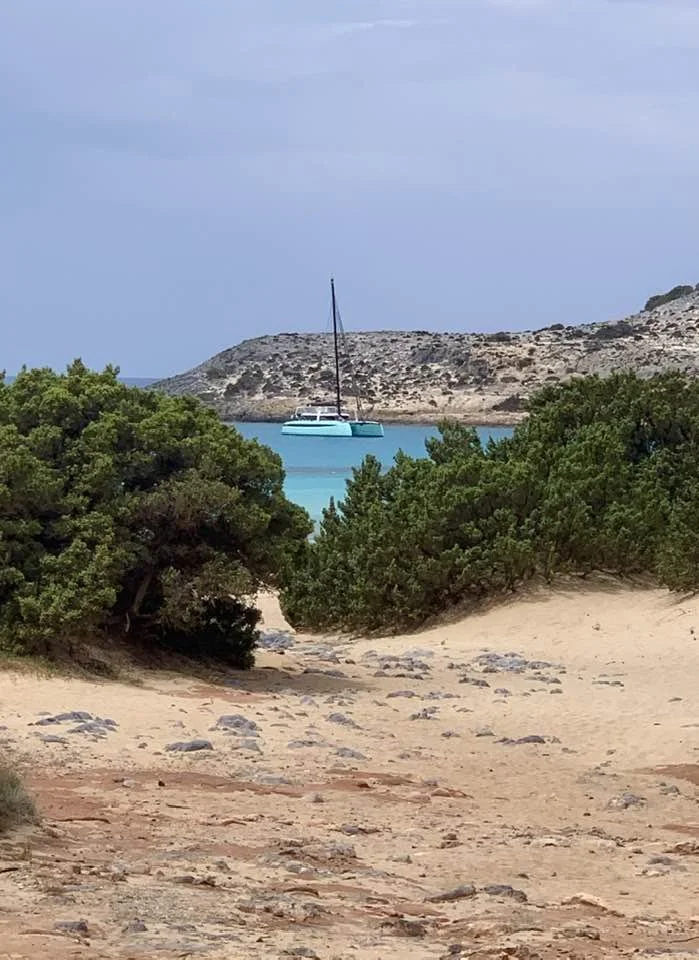
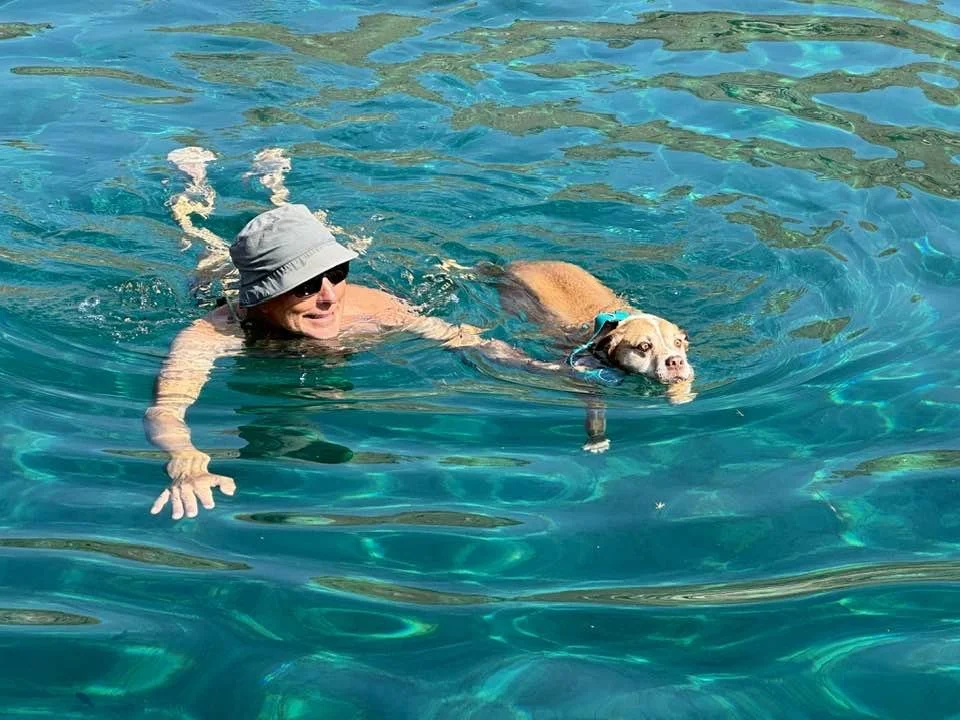
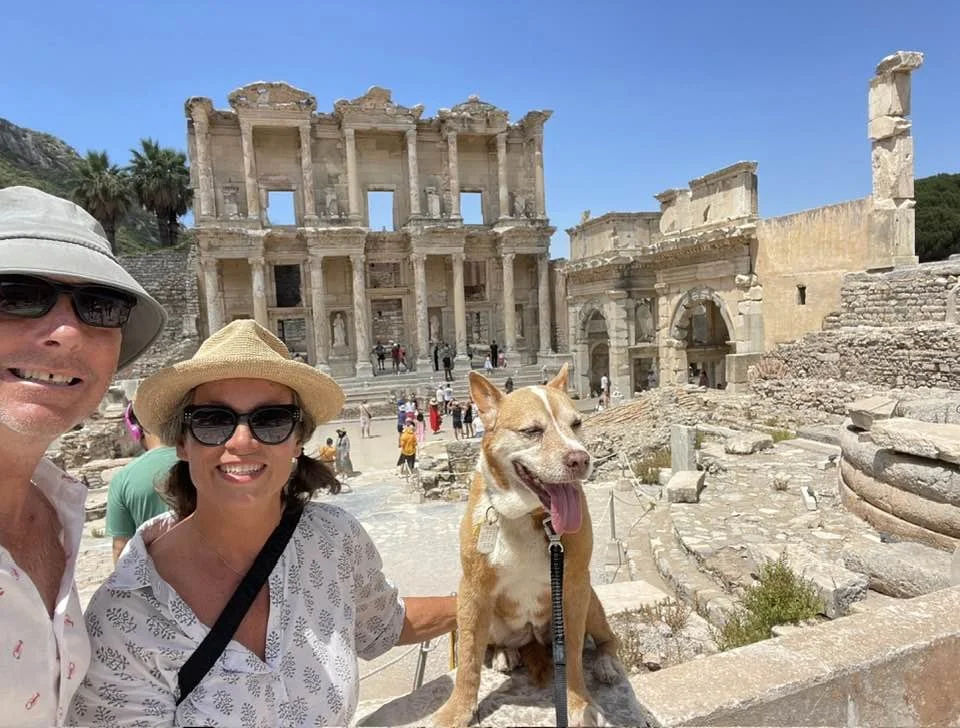
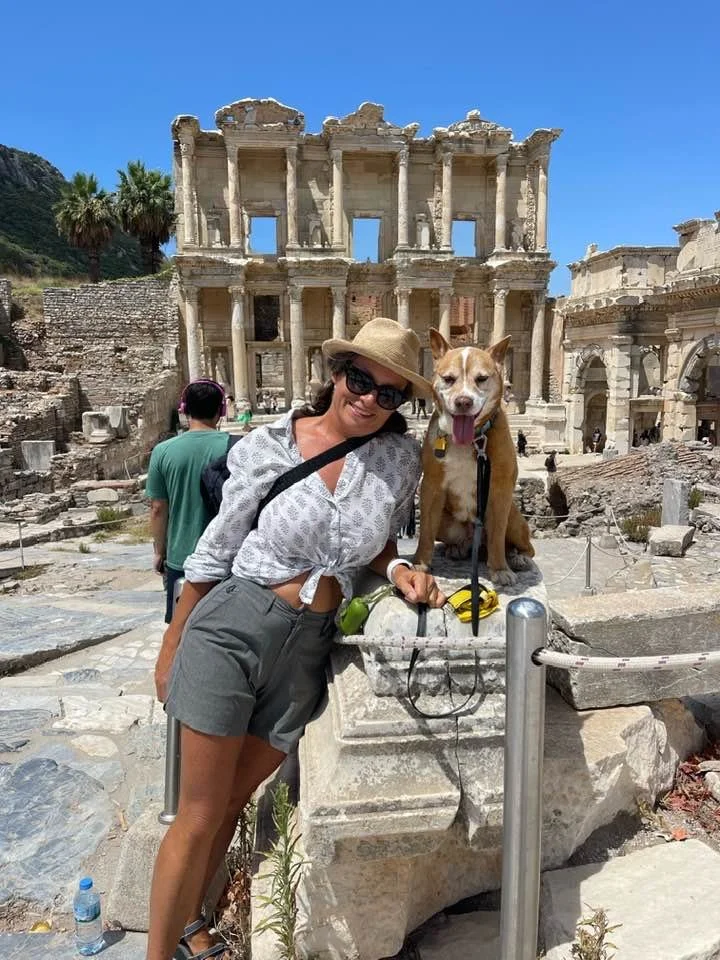
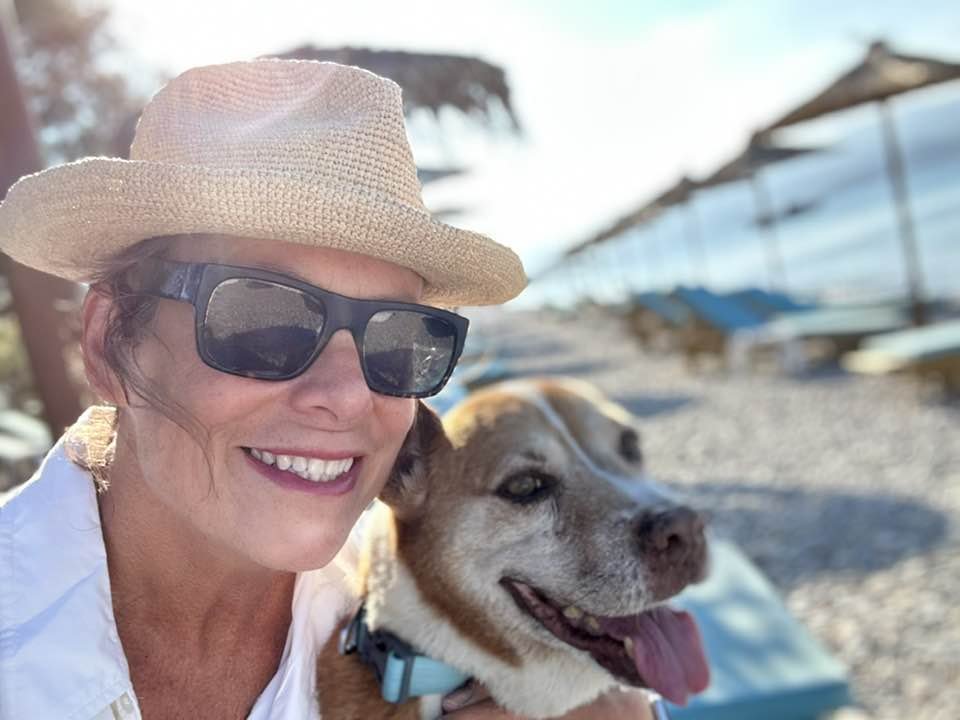
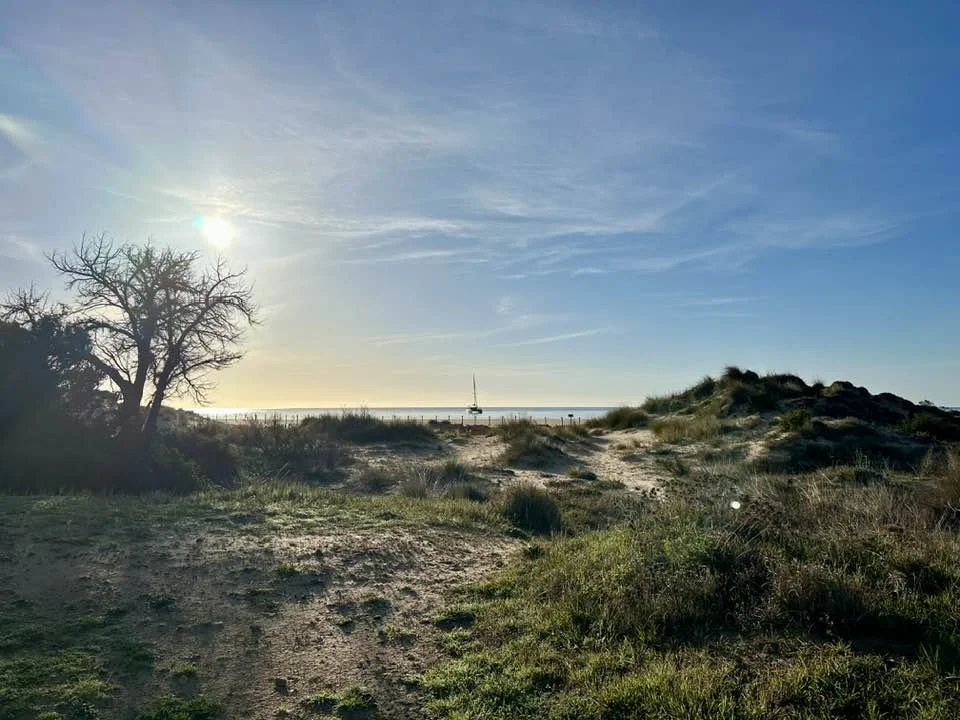
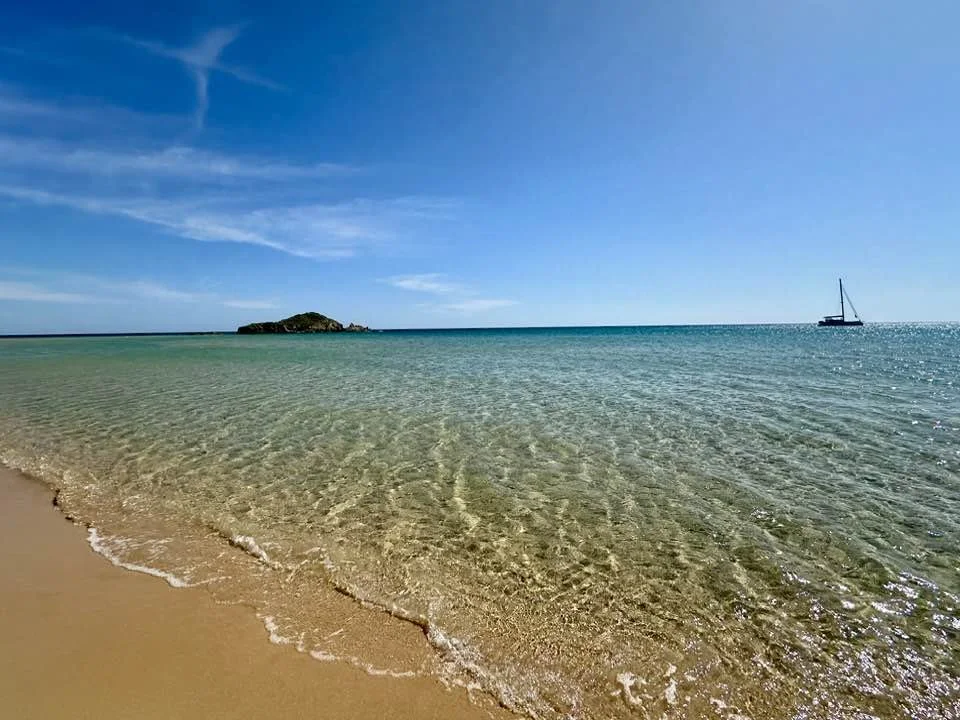
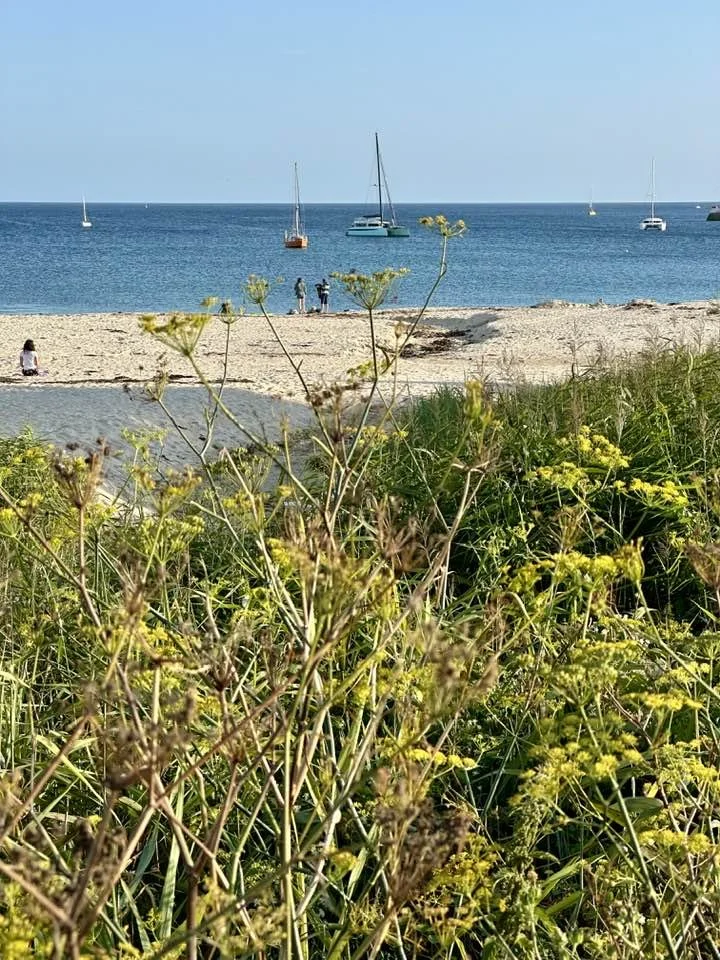
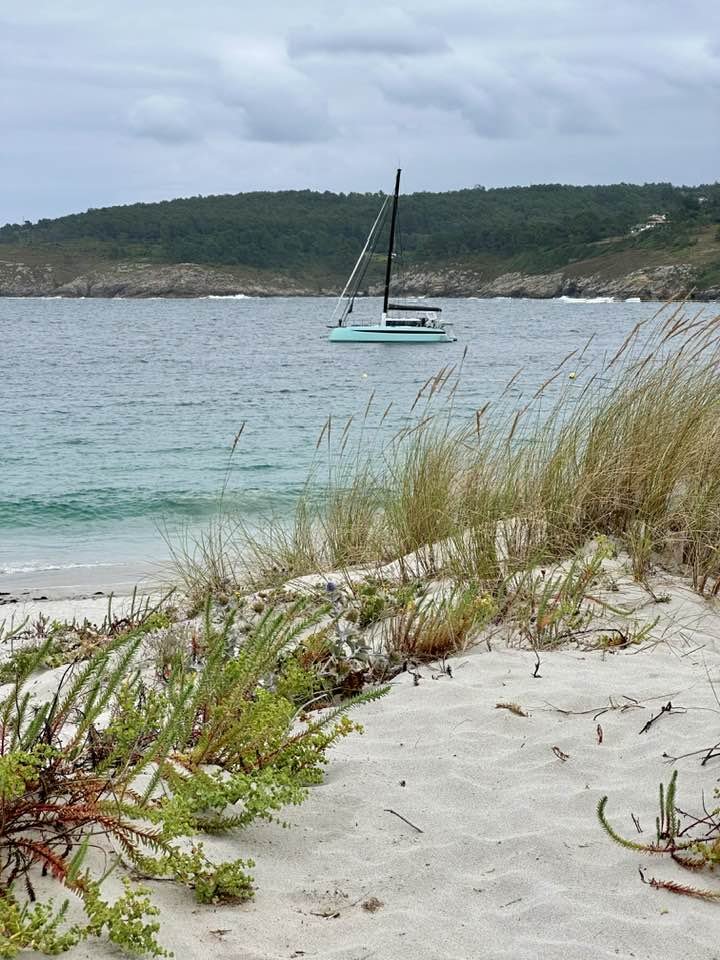
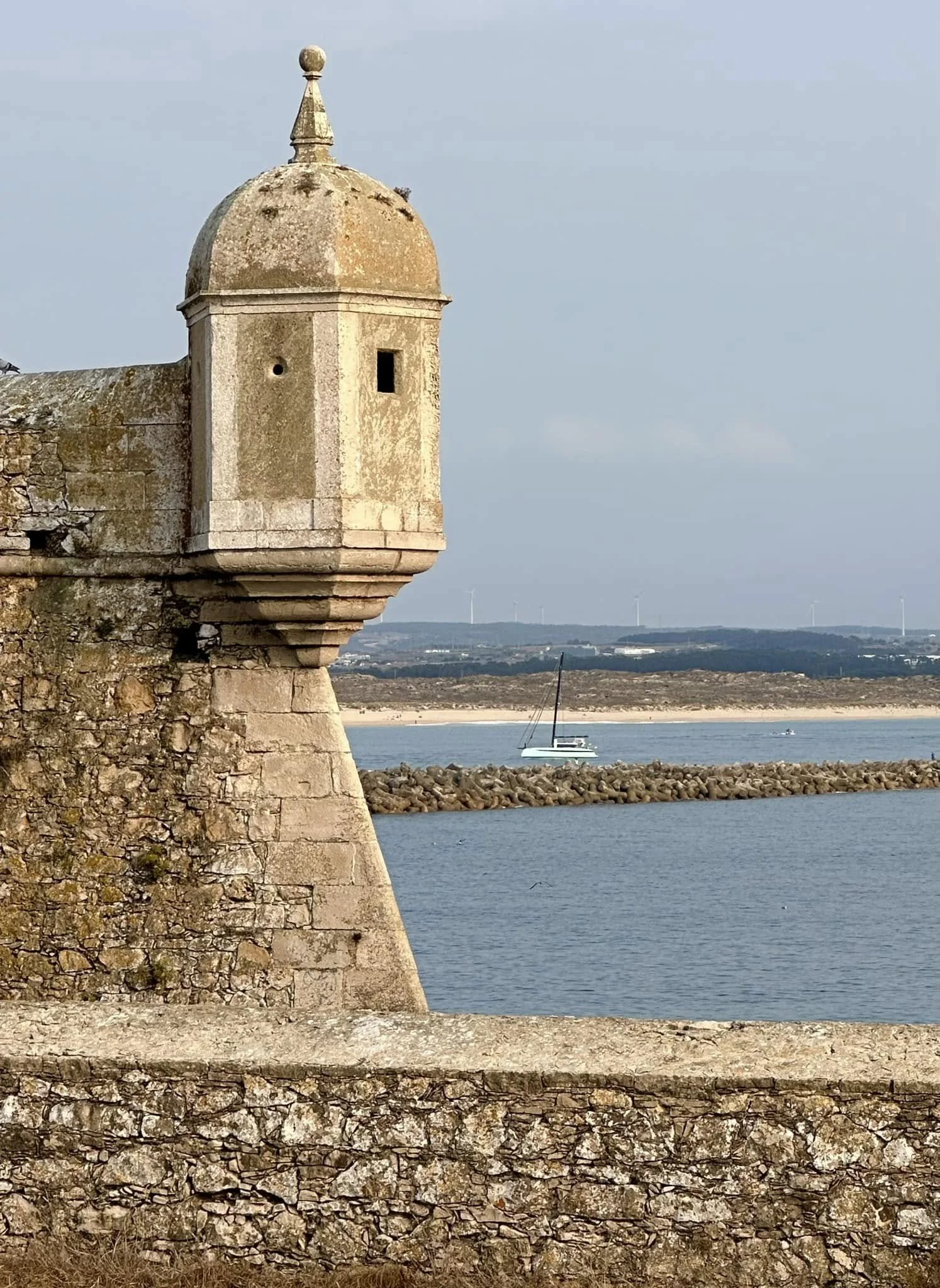
There’s great history to experience as you are able to walk on the ruins of old towns, castles, and forts from civilizations going back thousands of years. And many of the beaches here rival those in the Caribbean with soft sand the clear warm water making swimming magical - especially for those of us who suffer from Galeophobia as there are very few sharks in the Med - we did not see any.
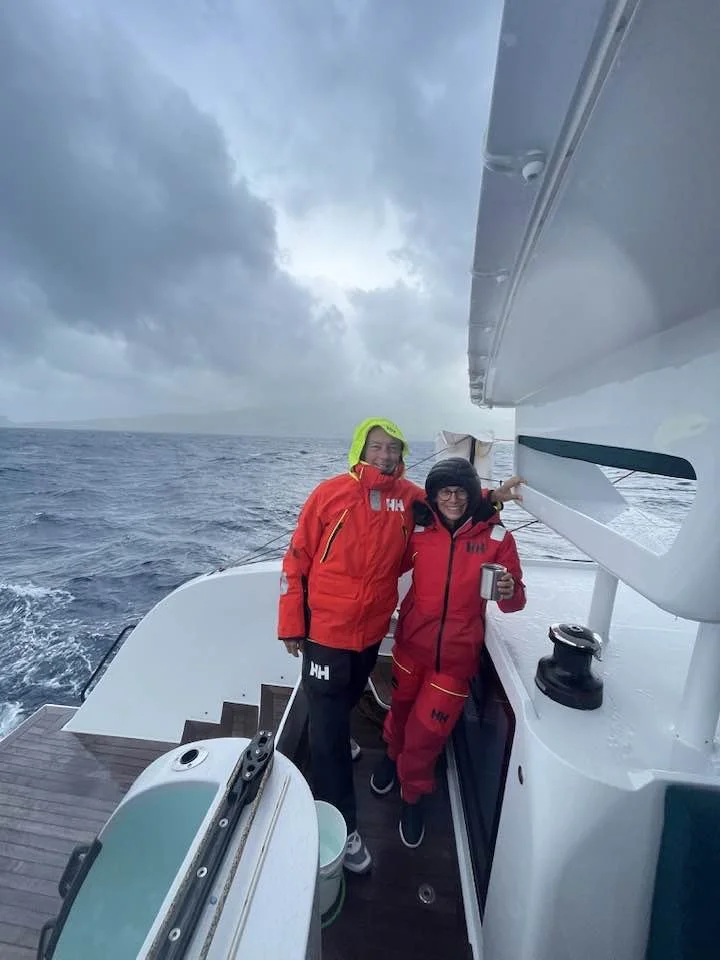
You do have to be conscious of the risk of severe thunderstorms especially as the summer progresses and the warming of the Med fuels these systems. Usually there are weather warnings if conditions are in place to potentially create these systems. Most, like us, never experience the warning or the systems.
So what are you waiting for? Sail over and enjoy!